
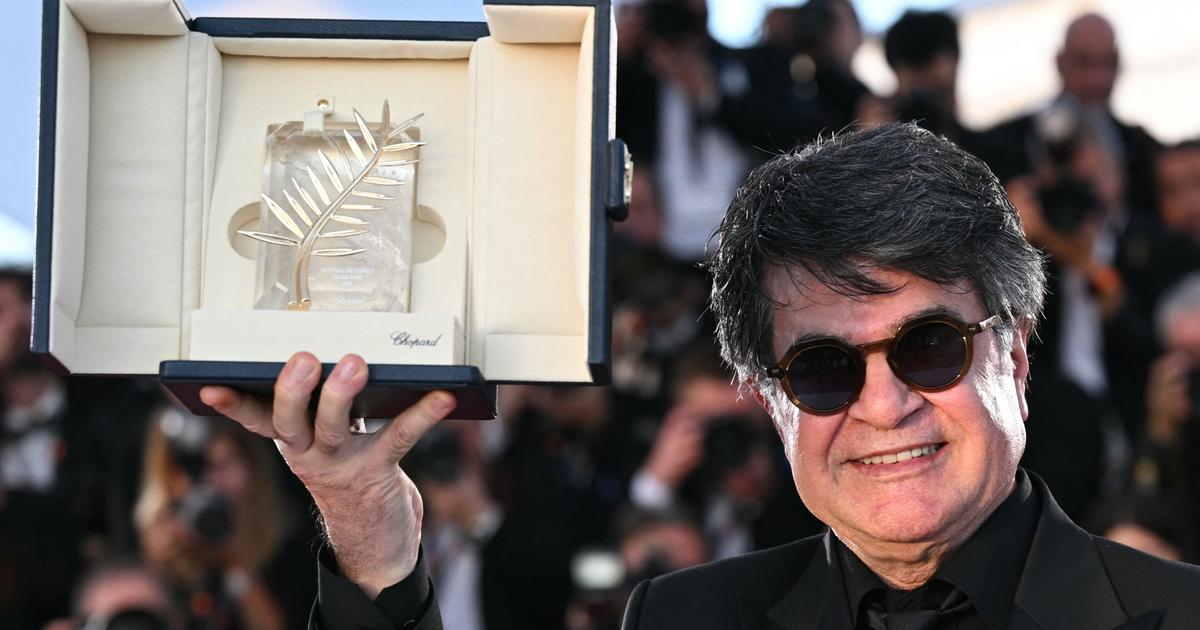
Jafar Panahi’s Return: A Triumph Amidst Turmoil
Jafar Panahi, the acclaimed Iranian filmmaker, made headlines recently with his triumphant return to Tehran airport after winning the prestigious Palme d’Or at the Cannes Film Festival. This return comes after years of struggles against the Iranian regime, which has tried to suppress his artistic expressions. Panahi’s story is not just one of personal achievement; it symbolizes the enduring spirit of resistance against oppression.
Arrival at Tehran Airport
Upon landing, Panahi was greeted by a crowd of supporters at Khomeini Airport. Videos surfacing on social media depict scenes of joy and celebration, with fans chanting the phrase "Women, Life, Freedom!" — a powerful slogan from the recent protests against the Iranian regime. This warm welcome contrasted sharply with the coldness of Iranian state media, a divergence that highlights the complex landscape of contemporary Iranian society.
Philippe Martin, a French film producer, confirmed that Panahi had arrived safely and even acquired a visa to attend another film festival in Sydney, Australia. His journey back home was marked by both triumph and anticipation, now laden with hopes for the future.
Winning the Palme d’Or
Jafar Panahi’s film, "Un Simple Accident," won the Palme d’Or amidst fierce competition, making it the first time an Iranian filmmaker has received this honor since Abbas Kiarostami’s "Taste of Cherry" in 1997. This recognition signifies not just a personal victory for Panahi but serves as an emblematic moment for the Iranian cinema industry, which has faced numerous hurdles, including censorship and oppressive governmental policies.
Despite being under watchful eyes and facing challenges that included multiple imprisonments, Panahi has consistently produced thought-provoking films highlighting the struggles of ordinary Iranians. His latest work continues to resonate with those who have faced similar adversities.
A Call for Freedom
Upon winning the award, Panahi made an impassioned plea for freedom in Iran. He reminded everyone of the need to set aside differences and focus on a collective cause: the quest for liberty in their homeland. His message resonated deeply with a largely supportive audience, underscoring the impact of art in political discourse.
Iranian Authorities’ Reaction
In response to the festival’s international fervor, the Iranian government summoned the French chargé d’affaires in Tehran to express its outrage. The regime condemned statements made by French officials regarding Panahi’s win as "insulting" and "groundless." The Iranian foreign ministry spokesperson, Esmaïl Baghaï, argued that art should not be used for political objectives, reflecting the continuous tension between cultural expression and state control.
This incident illustrates the complex relationship between artists and their governments, particularly when governments use cultural achievements to bolster their narratives while simultaneously stifling dissent.
The Impact of Panahi’s Films
Jafar Panahi’s films are renowned for revealing the realities of life in Iran, often focusing on marginalized voices and challenging societal norms. His storytelling prowess not only captivates audiences but also serves as a mirror reflecting the struggles and aspirations of many Iranians.
"Un Simple Accident" deals with the aftermath of torture, a theme derived from Panahi’s own experiences. This intimate portrayal not only speaks to the personal but also addresses widespread societal grievances in Iran, asserting that art is a form of resistance against oppression.
A New Era for Iranian Cinema
Panahi’s return and the recognition of his work signify a potential turning point for Iranian cinema. His achievements have sparked conversations about the role of art as a platform for political expression and as a means of highlighting systemic issues within the country. The cultural landscape in Iran is undoubtedly shifting, with artists increasingly bold in their narratives against governmental oppression.
The emotional scenes at the airport, filled with celebration and a call for liberation, present a stark contrast to the oppressive backdrop that many artists operate within. In an era of increasing awareness and activism, Panahi’s journey represents not only his personal struggles but also a collective yearning for freedom and expression.
Conclusion
As Jafar Panahi navigates his return to Iran, he stands as a beacon for many who yearn for change. The films he creates are not mere entertainment; they are powerful tools for social commentary and personal expression. Panahi’s acceptance of the Palme d’Or is a testament to his unwavering dedication to art and truth, one that resonates far beyond the borders of Iran.
In a world often overshadowed by political strife, Panahi’s story is a reminder of the importance of art in advocating for freedom and justice. His journey continues to inspire not only filmmakers but also audiences worldwide, turning personal struggles into universal messages of hope and resilience.
Le réalisateur est rentré en Iran dans la nuit de dimanche à lundi malgré la colère du régime contre les organisateurs du festival et la France.