
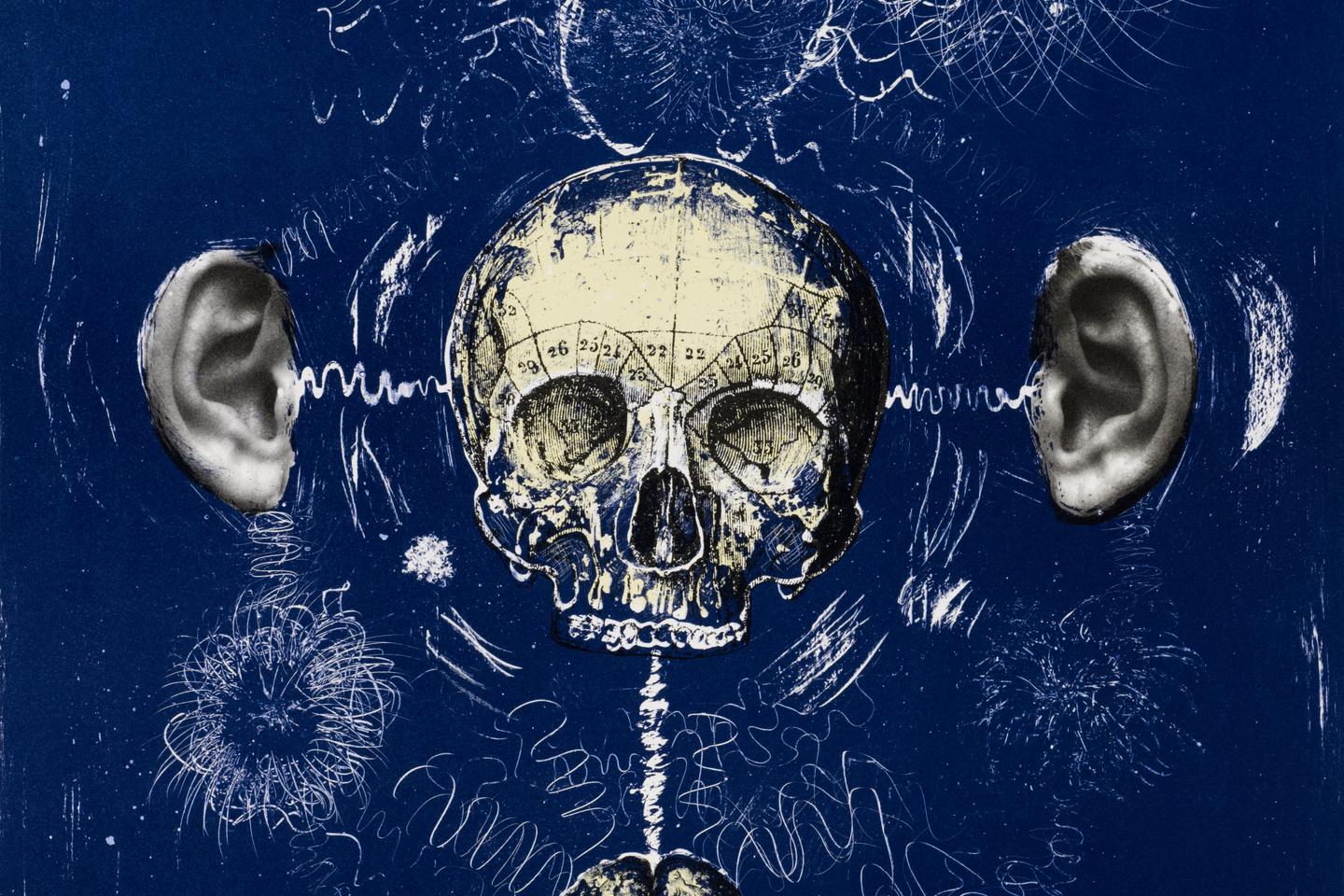
Understanding the Influence of Habits on Human Behavior
The Essence of Habit Formation
Habits are an integral part of human behavior. They are the actions we perform automatically, often without much thought. Whether it’s your morning coffee routine or the way you brush your teeth, habits create a framework for daily activities. Understanding how habits are formed and maintained can provide profound insights into human psychology and behavior.
The Psychological Basis of Habits
According to research in neuroscience, habits are not merely a reflection of conscious decision-making. They often develop through a process of repetition and reinforcement. This can lead to seemingly automatic behaviors that do not derive from the expected rewards. For instance, you might grab a snack each time you feel bored, even though you are not necessarily hungry.
The Habit Loop
The concept of a habit loop is critical in understanding how habits are generated. This loop consists of three elements:
- Cue: A trigger that initiates the habit.
- Routine: The behavior itself, which can be habitual.
- Reward: The benefit or gratification derived from the behavior.
This loop reinforces the habit over time, making it easier for the brain to predict the reward from the routine. The less conscious effort it takes to perform the routine, the stronger the connection between the cue and the reward becomes.
The Neurobiological Aspect of Habits
Research indicates that habitual actions are processed differently than deliberate ones in the brain. Neuroscientists have identified that habitual behavior involves the basal ganglia, a group of nuclei that play a crucial role in the control of movement and the regulation of emotions. The prefrontal cortex, responsible for decision-making and impulse control, is less engaged during habitual behaviors.
Evolutionary Advantages of Habits
From an evolutionary perspective, habits may have served significant adaptive purposes. Efficient energy use has always been vital for survival. By automating certain behaviors, our ancestors could focus their cognitive resources on more complex tasks, such as hunting or social interactions. As Jérémie Naudé, a researcher at the Functional Genomics Institute in Montpellier, suggests, these automated behaviors likely facilitated survival in variable environments.
How Habits Shape Our Daily Lives
Our daily lives are a collection of habits ranging from the trivial to the significant. These habits can affect various aspects of our existence, including productivity, health, and relationships. The cumulative effect of small, consistent habits often leads to substantial outcomes over time.
Impact on Health and Wellness
Healthy habits such as regular exercise, balanced nutrition, and ample sleep can greatly impact our overall well-being. Conversely, negative habits, like excessive screen time or unhealthy eating, can lead to detrimental effects on our physical and mental health. Being aware of our habits can empower us to make more informed choices that shape our lifestyle positively.
Breaking Bad Habits
While forming good habits is valuable, breaking bad habits can be equally important. Change can be challenging, but it is not impossible.
Strategies for Habit Change
- Identify Triggers: Recognizing what prompts your unhealthy habits is the first step in breaking them.
- Replace with Positive Behaviors: Swap bad habits with healthy alternatives.
- Stick to Small Changes: Gradual adjustments are often more sustainable than drastic overhauls.
- Seek Support: Engaging friends or groups can help hold you accountable.
Conclusion: The Power of Mindful Habits
Developing and breaking habits requires awareness and intentionality. Understanding the neurological and psychological aspects of habits can set the stage for profound personal and social transformations. Habits are not inherent traits; they can be cultivated and modified with time and effort.
As the philosopher Alain observed, acting without thinking is a form of art, highlighting the importance of understanding our automatic behaviors. By harnessing the power of our habits, we can strive toward a more fulfilling and intentional life.

« Habitude : un art d’agir sans y penser et mieux même qu’en y pensant », remarquait le philosophe Alain (Définitions, 1955). Un aphorisme qui s’est vu conforté, le 14 mai, par une étude de neurosciences dans la revue Nature.
Sur le plan comportemental, on sait que nos habitudes, ces actions un rien rigides, sont décorrélées de la valeur de la récompense attendue : elles se basent exclusivement sur la fréquence de nos actions passées. « Elles permettent d’automatiser les comportements, donc d’agir sans réfléchir. Elles ont dû avoir des avantages, sur le plan évolutif, en facilitant la survie dans des environnements variables », explique Jérémie Naudé, chercheur en neurosciences à l’Institut de génomique fonctionnelle de Montpellier (Inserm, CNRS).
Il vous reste 87.33% de cet article à lire. La suite est réservée aux abonnés.