
The Unusual Weather Shift in Germany: From Frost to Heat
Germany is currently experiencing a dramatic weather shift that has caught the attention of meteorologists and residents alike. The recent forecast predicts a sharp rise in temperatures, transitioning from icy conditions to summer-like heat in a very short span. This article aims to delve into the causes and implications of this unusual weather pattern.
Recent Temperature Extremes
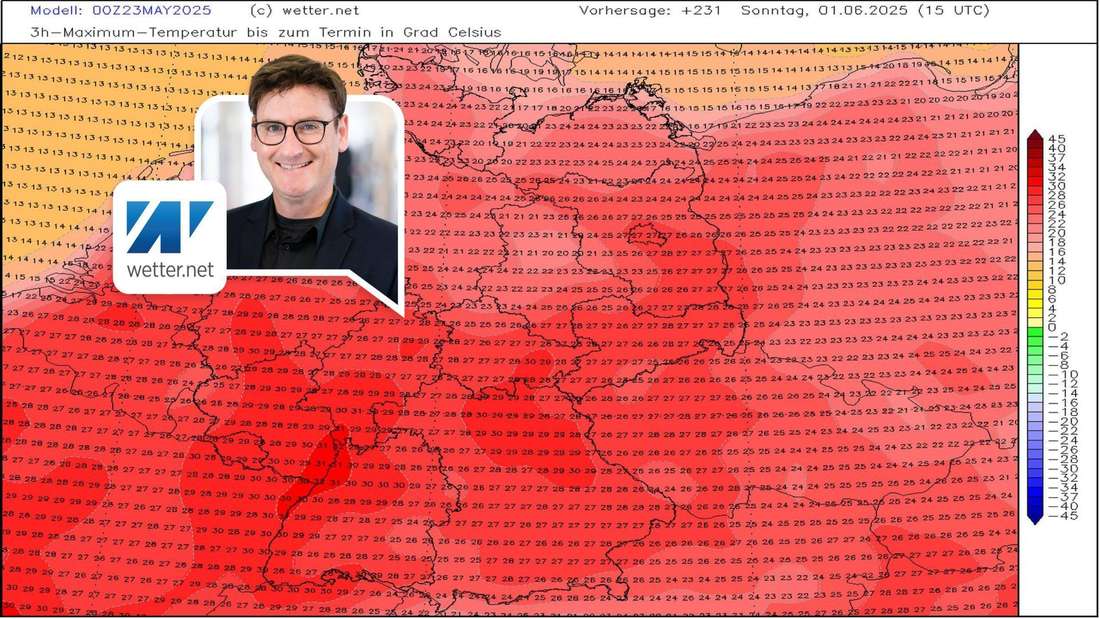
Just a few days ago, many regions across Germany faced frost, with temperatures plunging below zero degrees Celsius. However, as highlighted in the latest forecasts, the weather is set to dramatically change. By the upcoming holiday weekend, temperatures are expected to soar to around 30 degrees Celsius in some southwestern areas. Such rapid temperature changes are rare and indicate shifting weather patterns that can have both immediate and long-term impacts.
According to weather expert Kathy Schrey from wetter.net, "We expect one of the most extreme temperature increases in recent years. The transition from ground frost to the first heat is meteorologically intriguing yet potentially dangerous." This statement underscores the sensational nature of this weather shift.
Factors Behind the Transition
The abrupt shift from cold to warm weather can largely be attributed to warm, moist air masses moving in from the southwest. These air currents have started to dominate the atmospheric patterns over Central Europe. As a result, by the weekend, many areas will experience a sudden spike in temperatures, causing summer-like conditions to emerge unexpectedly.
Meteorologists are already predicting that temperatures will rise to a comfortable 25 degrees Celsius during the weekdays, with some areas possibly exceeding that threshold. It’s important to note the implications of such a quick transition; the sudden influx of warm weather typically disrupts the atmospheric balance, leading to possible weather anomalies such as thunderstorms.
Potential Risks: Thunderstorms Ahead
However, along with the incoming heat comes concerns about unstable weather conditions. Forecasters warn that the inflow of humid warm air increases the risk of intense thunderstorms. Starting by midweek (on Father’s Day), there is potential for localized downpours and hail. Kathy Schrey highlights this point, saying, "Such rapid shifts often lead to intense weather phenomena."
While the weekend will initially remain warm, the shift toward stormy weather will soon become apparent. Residents, particularly in the southwest and southern regions of Germany, should prepare for the possibility of severe thunderstorm systems developing, which could pose hazards to both people and infrastructure.
A Summer to Remember?
As we approach the meteorological summer, the warm trend is expected to persist. Weather models suggest a continued southwest weather pattern, setting the stage for what could be an early summer heatwave. Kathy Schrey emphasizes, "This current pattern has all the necessary ingredients for a hot start to summer—perhaps even the beginning of an excessively warm season."
While the precise forecasts may fluctuate, one thing is clear: summer is well on its way, and it may arrive with unprecedented force.
Preparing for the Upcoming Heatwave
As temperatures begin to rise, both individuals and communities must take steps to prepare. Heat can affect health, crop yields, and even wildlife. Some important tips include:
- Stay Hydrated: With rising temperatures, it’s crucial to drink plenty of water to maintain hydration.
- Take Precautions: When venturing outdoors, especially during peak heat hours, wear protective clothing and sunscreen.
- Stay Informed: Monitor weather forecasts and heed alerts for severe weather conditions.
Conclusion: Anticipate and Adapt
In conclusion, Germany’s weather is shifting rapidly from cold to hot, creating a landscape filled with both wonder and concern. As we embrace the upcoming heatwave, it is essential to remain vigilant and adaptive. Whether it’s preparing for potential thunderstorms or simply enjoying the summer sun, understanding these sudden changes can help navigate the complexities of our environment.
For more insights and detailed forecasts, you can visit wetter.net, a leading platform that offers comprehensive weather updates.
Von kalten Morgenstunden zu sommerlicher Hitze: Deutschland erlebt einen außergewöhnlichen Temperatursturz – mit Folgen. Eine Wetter-Kolumne von Dominik Jung.
Frankfurt – Noch am Freitag (23. Mai) und Samstagmorgen (24. Mai) drohte in vielen Regionen Deutschlands Frost – teils mit Temperaturen unter null Grad. Doch schon in wenigen Tagen dreht sich das Wetter radikal: Am kommenden langen Wochenende, rund um den Brückentag (30. Mai) und Christi Himmelfahrt (29. Mai), könnten im Südwesten bereits bis zu 30 Grad erreicht werden. Eine außergewöhnliche Temperaturspanne, die in so kurzer Zeit Seltenheitswert hat.
„Wir erwarten eine der extremsten Temperatursteigerungen der letzten Jahre“, erklärt Wetterexpertin Kathy Schrey von wetter.net. „Innerhalb einer Woche geht es von Bodenfrost bis zur ersten Hitzemarke – das ist meteorologisch hochinteressant, aber auch potenziell gefährlich.“ Grund für den Wandel sind warme, teils feuchte Luftmassen aus Südwesten, die zunehmend Einfluss auf Mitteleuropa gewinnen. Schon am Wochenende steigen die Werte verbreitet auf sommerliche 25 Grad, örtlich auch mehr. Besonders am Brückentag kommende Woche ist dann mit Spitzenwerten von bis zu 30 Grad zu rechnen.