
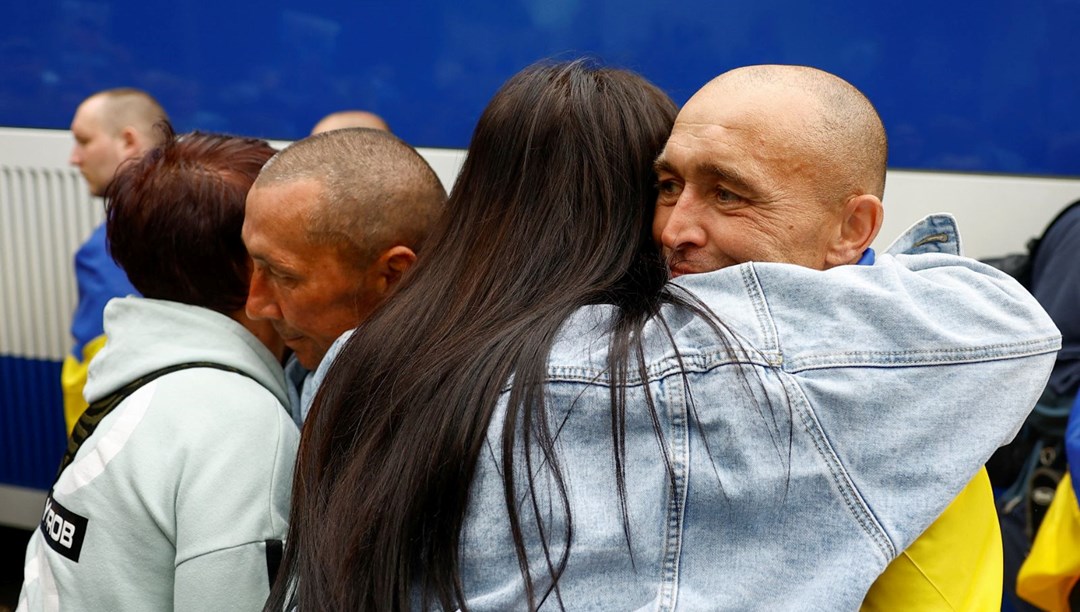
Overview of the Recent Prisoner Exchange Between Russia and Ukraine
The recent prisoner exchange between Russia and Ukraine has been a significant development amid the ongoing conflict that has severely impacted both nations. A total of 303 prisoners of war (POWs) were exchanged, marking a pivotal moment in their strained relations. This was confirmed by both the Russian Defense Ministry and Ukrainian President Volodymyr Zelensky through their respective announcements.
Details of the Prisoner Swap
According to the Russian Defense Ministry, the exchange was completed within a three-day timeframe. They revealed that between May 23 and May 25, parties implemented a "one-for-one" principle, leading to the release of 303 Russian soldiers in return for 303 Ukrainian soldiers. Additionally, the released Russian soldiers were reported to be in Belarus, where they will receive necessary medical and psychological support. The plan is to ensure these soldiers reach medical facilities across Russia for treatment.
Zelensky corroborated this progress through a post on Telegram, stating that the agreement reached in Istanbul on May 16 had been fulfilled. He emphasized the necessity of such prisoner exchanges, highlighting the human aspect of the ongoing war.
The Context of the Conflict
In the backdrop of this exchange, the conflict between Russia and Ukraine continues to escalate. Ukraine has urged for a 30-day ceasefire, seeking respite and peace negotiations. However, Russian Foreign Minister Sergey Lavrov declared that after the completion of the latest prisoner swap, Moscow intends to present a "draft proposal" for a long-term peace agreement to Kyiv.
Compounding these diplomatic efforts, the day of the exchange coincided with Russia’s launch of an extensive attack involving 367 drones and missiles targeting Ukraine. This offensive resulted in the deaths of at least 12 individuals, marking one of the largest air assaults since the beginning of the war.
Historic Meeting in Istanbul
The discussions leading up to the prisoner exchange were significant as Russian and Ukrainian delegations met in Istanbul for the first time in three years, facilitated by Turkey. This meeting served as a crucial platform for addressing various issues, with both sides reaching mutual agreement for the exchange of 1,000 prisoners. It was hailed as potentially the most extensive POW swap since the onset of hostilities.
The Russian Defense Ministry announced the successful conclusion of the exchange process on its third day, marking it as a significant milestone in the broader scope of the conflict.
Previous Exchanges and Trends
In the days preceding the latest swap, another former exchange had taken place where 307 POWs were freed by both sides. The most recent exchange also saw 270 soldiers and 120 civilians traded, totaling 390 individuals in one day. These exchanges indicate a growing trend where both nations attempt to navigate the humanitarian aspects of a conflict that has resulted in immense loss on both sides.
The focus on humanitarian efforts amidst warfare appears crucial, as both countries continue to face international scrutiny regarding their treatment of POWs. Previous exchanges have underscored the complex web of diplomacy involved in conflict resolution as both sides seek to manage the fallout from a protracted war.
Impact on International Relations
The prisoner exchanges are not only significant for the individuals involved but also play a critical role in shaping international relations. The involvement of Turkey as a mediator highlights its unique position within the geopolitical landscape. By facilitating these talks, Turkey has positioned itself as a potential peace broker, balancing its relations with both Russia and Ukraine.
Additionally, the prisoner exchanges reflect broader sentiments regarding human rights and the treatment of combatants in warfare. This aspect of the ongoing conflict has garnered attention from human rights organizations advocating for ethical treatment and due process.
Future Expectations and Continued Negotiations
While the recent prisoner exchange is promising, it raises questions about future negotiations. As both countries grapple with their national interests, the possibility of further exchanges and a long-term resolution remains a subject of speculation. The complex dynamics at play will require a continuous commitment from all involved parties to find a sustainable solution.
The focus on military actions also points to a need for heightened diplomatic engagement. With both nations operating under immense strain, potential dialogue may pave the way for eventual peace. However, the road ahead remains uncertain, necessitating a multifaceted approach from international stakeholders keen on fostering dialogue and encouraging humanitarian measures.
Conclusion
In sum, the recent prisoner exchange between Russia and Ukraine underscores the tumultuous nature of their ongoing conflict while highlighting the importance of humanitarian considerations in warfare. As the world watches these developments unfold, the implications of these exchanges will continue to resonate not only within Eastern Europe but also across the globe. The pursuit of peace, coupled with the need to address pressing humanitarian issues, remains an ongoing challenge for both nations.