
The Humanitarian Crisis in Gaza: A Growing Hunger Emergency
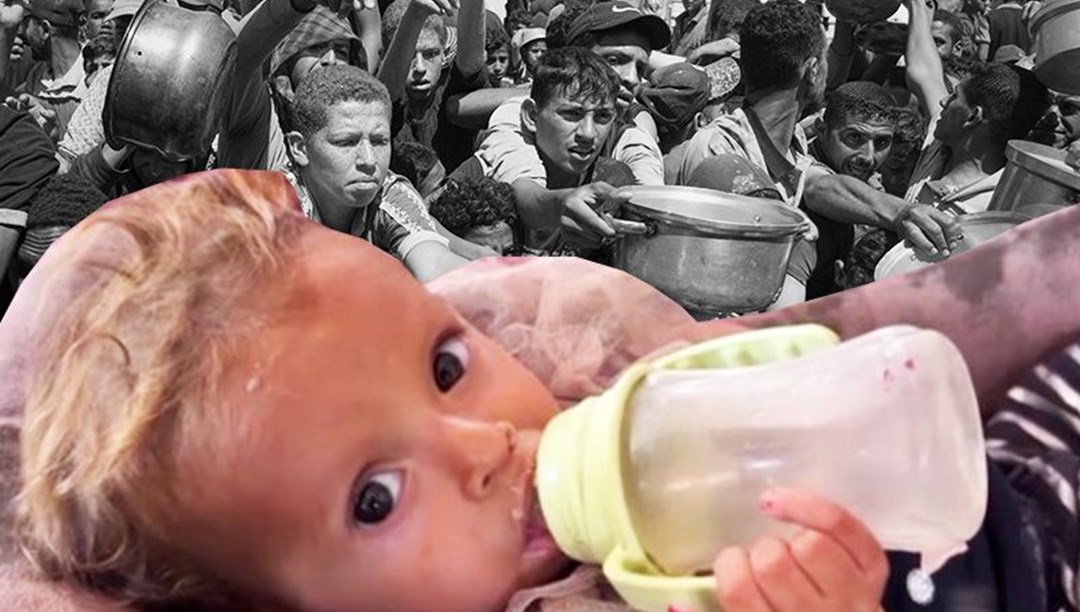
The ongoing conflict in Gaza has exacerbated an already dire humanitarian situation. With restricted access to essential resources, millions are facing intensive food shortages. The Israeli blockade continues to limit the amount of humanitarian aid permitted into the region, leaving many families in desperate need. The World Health Organization has expressed grave concerns over the deteriorating health conditions among the population, particularly among vulnerable groups such as infants and newborns.
Newborns Facing Mortality
In the cradle of conflict, newborns are bearing the brunt of these tragic circumstances. One poignant example is 11-month-old Lama, born amid bombardment. Weighing merely 5 kilograms, her condition reflects a critical level of malnourishment, far beneath the standards set by the World Health Organization. Such alarming statistics underline the urgent need for a substantial increase in humanitarian aid to prevent further loss of life among the youngest and most vulnerable.
Families often struggle just to provide basic sustenance. For instance, the Hijazi family, consisting of seven members, is emblematic of the community’s struggle. Following the bombing that took her husband’s life, 38-year-old Mervat Hijazi relocated her family, first heading south to Deyr el-Balat, where they sought refuge in a camp for the displaced. Such displacement, sadly, is becoming common as families flee continuous violence.
Living Amidst Rubble
Now living in a tent set up among the rubble of their former home, Mervat and her six children face continual uncertainty. The sense of insecurity is compounded by hunger, which makes survival a daily battle. “We have nothing left,” Mervat explains, the weight of despair resonating in her voice. The family relies heavily on food aid from humanitarian organizations, yet even this is scarce and inconsistent.
Despite recent approvals for aid shipments, including essentials like flour and baby formula, the volume remains grossly insufficient. Relief efforts have been criticized for being minuscule in comparison to the actual needs on the ground. To illustrate, the United Nations reports that the incoming aid is akin to "a drop in the ocean" of what is required. Aid workers emphasize the need for at least 500 trucks of supplies daily to meet the dire circumstances faced by over two million people in Gaza.
The Scope of Nutritional Deprivation
The Palestinian Government reported that the siege has taken a terrible toll; 326 Palestinians have died in just 80 days due to the effects of systematic starvation. According to their findings, the stark reality reveals that 58 individuals succumbed to malnutrition, while 242 died from the lack of food and medicine, including preventable deaths from kidney diseases due to insufficient healthcare services.
Furthermore, health officials have chronicled over 300 recorded cases of miscarriage attributed to the chaos and lack of medical care in the region. These statistics make it evident that the humanitarian crisis extends beyond mere hunger— it encompasses a broader spectrum of health threats and psychological trauma stemming from prolonged instability.
Emotional and Psychological Toll
The impact of the pandemic on mental health is equally concerning. As Mervat articulates, exhaustion and despair have become their new norm. “We are so tired that death seems more honorable than living like this,” she reflects, capturing a sentiment shared by many families. The psychological strain of witnessing violence, suffering food insecurity, and worrying about the future has led to high levels of stress and anxiety among the population.
The emotional toll on children is equally devastating. Mervat shares that her children wake up at night, distressed and hungry. The combined fear of ongoing bombardments and hunger creates an environment where families struggle to find both physical and emotional security.
Calls for Increased Humanitarian Efforts
The dire situation calls for a united response from the international community. As discussions about potential ceasefires and humanitarian corridors continue, there is an urgent need for consistent and effective humanitarian assistance. Human rights organizations advocate for unrestricted access to food, medicine, and essential services.
It is imperative for global powers to prioritize the humanitarian needs of Gaza’s population in their diplomatic efforts. A sustained commitment to humanitarian aid is necessary to alleviate the severe conditions and protect the basic rights of those living in one of the world’s most densely populated areas.
In conclusion, the situation in Gaza exemplifies not only a humanitarian crisis but also a moral one. The plight of its people, particularly the vulnerable, demands immediate and sustained action from the international community. As lives hang in the balance, the urgency to address this multifaceted crisis cannot be overstated. The world must heed the calls for support and work toward a future where basic human dignity is restored for all inhabitants of Gaza.