
The Current Situation in Gaza
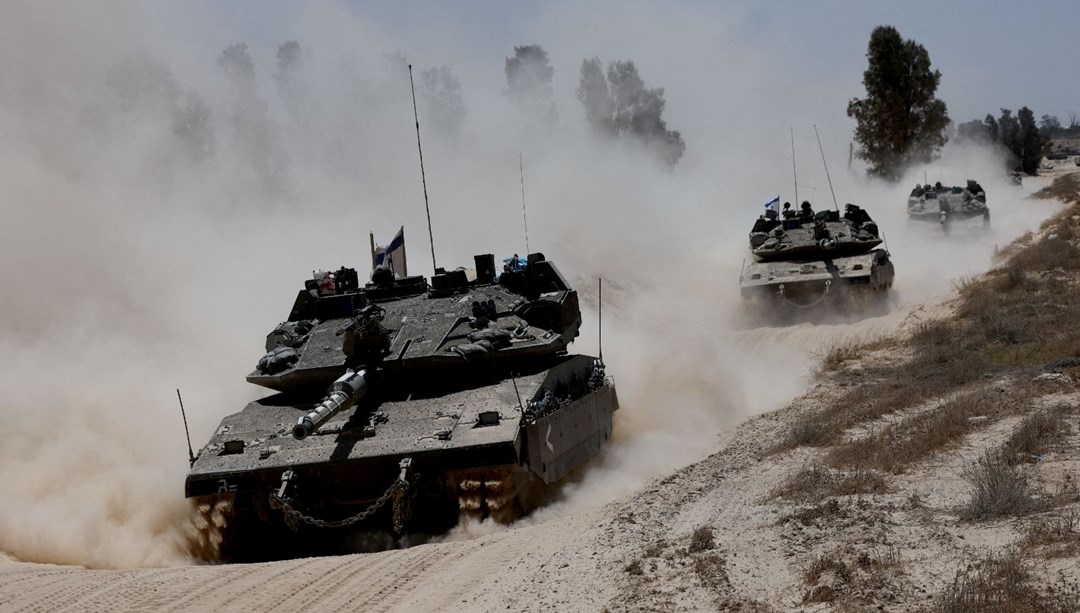
The ongoing conflict in Gaza has escalated dramatically, with recent reports indicating a significant increase in military activity. Israeli state television, KAN, reported that a parachute regiment has entered the Gaza Strip, with the entire operation taking around 24 hours to complete. Until now, the troops have not reportedly engaged in direct combat, although it has been asserted that Palestinian resistance groups have retreated to the southern part of the Strip. This shifting of forces suggests that the northern and southern regions, particularly the area around Khan Younis, are poised to become two separate centers of conflict.
In an apparent change of tactics, the Israeli army has been moving slower than in previous operations, yet they are still making progress. These developments have raised concerns over the civilian population, as the conflict intensifies and military operations expand.
Airstrikes Over Gaza: A Surge in Attacks
In a startling announcement, the Israeli army confirmed that it conducted 100 airstrikes in the Gaza Strip within just 24 hours. While the official statement claimed that these airstrikes primarily targeted military elements belonging to Palestinian groups, numerous reports have documented significant civilian casualties. The toll on the civilian population underscores the devastating human impact of the ongoing military operations, raising serious questions regarding the adherence to international humanitarian standards.
These airstrikes are part of a broader strategy that has seen mounting tensions since the invasion began on October 7, 2023. In the wake of renewed hostilities following a ceasefire that had been established since January 19, 2023, reports indicate a catastrophic increase in casualties. Since March 18, over 3,700 Palestinians, many of whom are vulnerable populations—children, women, and the elderly—have lost their lives in Israeli attacks.
The Implications of Military Strategy
The implications of such a military strategy are dire. Under the directive of Prime Minister Binyamin Netanyahu, the Israeli government is not just focusing on immediate military objectives; they are planning a more extensive and permanent occupation of the Gaza Strip. The strategy involves relocating Palestinians, particularly those in the south, to what are termed "concentration camps." This alarming terminology reflects the severe measures being contemplated and executed, with promises of providing only minimal humanitarian aid to the displaced populations.
Israeli ministers have openly expressed their intention to destroy whatever remains of infrastructure in the Gaza Strip and facilitate the forced migration of Palestinians to other countries. The plan aims to establish a new status quo that consolidates Israeli control over the territory while severely restricting the rights and freedoms of the Palestinian people.
The Humanitarian Crisis Unfolding
The humanitarian crisis resulting from these attacks cannot be overstated. With more than 53,900 Palestinians reported dead and 122,593 injured since the onset of the military campaign on October 7, the scale of human suffering is unprecedented. These figures highlight a rapidly deteriorating situation, putting immense pressure on international aid organizations that are struggling to meet the urgent needs of those affected.
Basic resources such as food, water, and medical supplies are in critically short supply. Hospitals in the region are overwhelmed, and the continuing violence makes it virtually impossible for humanitarian workers to operate effectively. The situation is compounded by restrictions imposed by military operations that hinder any form of aid from reaching the most vulnerable populations.
International Response and Implications
The international community watches closely as the situation in Gaza unfolds. Organizations such as the United Nations and various human rights groups have called for immediate action to protect civilians and ensure access to humanitarian aid. However, the response has often been characterized by political complications and inaction.
The potential consequences of ongoing military operations extend beyond Gaza. They may lead to further instability in the region and exacerbate existing tensions between Israel and its neighbors. Continued violence risks igniting broader conflicts that could have far-reaching implications for Middle Eastern politics and security.
Long-term Consequences of the Conflict
Beyond immediate humanitarian needs, the long-term consequences of the conflict will shape the future of both Palestinians and Israelis. With reports indicating intentions to establish lasting military presence and authority in Gaza, the prospect of peace seems increasingly distant. The prospect of a two-state solution has been jeopardized, further entrenching the cycle of violence and retaliation that has persisted for decades.
The people of Gaza deserve a chance at safety, dignity, and the opportunity to rebuild their lives. As events continue to unfold, the necessity for dialogue and effective conflict resolution has never been so urgent—without it, the cycle of violence is likely to perpetuate, leading to further loss of life and suffering.
Final Thoughts on Gaza’s Future
In these precarious times, as the situation evolves, a collective call for peace, justice, and reconciliation becomes essential. The international community must act decisively to prevent further escalation and ensure that the voices of the Palestinian people are heard. Only then can the vision of a peaceful coexistence be realized amidst the chaos.