
Energy Crisis in Iran: A Call for Sustainable Solutions
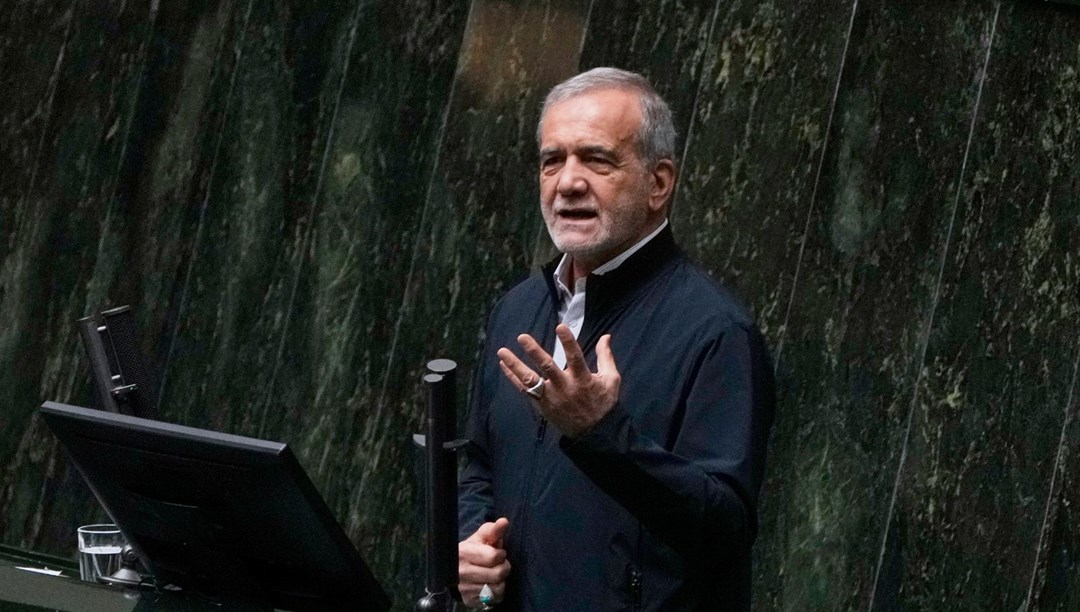
The energy crisis in Iran has reached a critical point, as highlighted by President Masoud Pezeshkian. He has pointed out the alarming levels of energy consumption within the country, stating that Iran’s electricity usage is significantly higher than that of many European nations. This situation has prompted an urgent need for the public’s support to address the ongoing issues.
High Energy Consumption: The Numbers
According to President Pezeshkian, Iran’s electrical consumption is about six times higher than that of numerous European countries. This staggering statistic indicates a reckless use of resources that could have long-term ramifications for the country’s environment and economy. Pezeshkian urgently called for the public’s involvement, suggesting that collective efforts could mitigate the overwhelming demand and foster a culture of energy conservation.
“Iran is not merely facing an energy supply crisis; it is also grappling with a cultural issue regarding the careless usage of electricity,” Pezeshkian remarked in a recent speech in Tehran.
The Shift Towards Renewable Energy
Pezeshkian emphasized the necessity of transitioning towards renewable energy sources. He noted, “As we look to the future, we must reduce our dependence on fossil fuels and turn our attention to clean energy solutions.” This transition is not only vital for achieving energy efficiency but also for securing Iran’s position as a responsible global player in energy consumption.
He further advocated for solar energy as a crucial component of this shift, asserting that, “If we wish to become a developed nation, we must embrace solar energy and invest in sustainable technologies.” The push for renewable energy comes at a time when many countries are shifting away from fossil fuels in light of growing environmental concerns.
Electricity Tariffs and Their Impact
Another pressing issue is the inadequacy of current electricity tariffs. Pezeshkian argued that the existing price trends are unsustainable. He expressed frustration over the fact that providing electricity for free has led to an appreciation issue. “The value of electricity is not recognized when it is provided for free,” he stated. The government has to reassess its pricing strategy to create a system where citizens value electricity and are motivated to use it more wisely.
Inadequate tariffs contribute to excessive consumption, which ultimately puts additional pressure on an already strained power grid. This misalignment between price and consumption could hinder efforts to promote energy efficiency and spur citizens to adopt more sustainable practices.
Water Shortages in Administrative Offices
The situation isn’t just limited to electricity; water shortages have also become a pressing issue. Reports indicate that several government administrative offices in Tehran have had their water supply cut off due to excessive usage. This action underscores the necessity for mindful consumption across all sectors, including government entities.
The Iranian government is taking an active role in addressing energy and water management by implementing energy-saving measures and urging the public to be more responsible. This initiative comes amid a backdrop of economic sanctions, inadequate infrastructure investments, and rapidly growing energy demands.
Public Engagement and Responsibility
Pezeshkian has called on citizens to actively participate in efforts to address these energy challenges. “If the people support us in our energy-efficiency efforts, we can avert a major crisis,” he noted. It is essential for individuals to understand the value of energy and engage in practices that minimize waste.
The Iranian populace must take proactive steps to limit their electricity and water usage, especially during the hot summer months when energy demand peaks due to air conditioning and cooling systems. Responsibility at an individual level can significantly impact the overall energy landscape.
The Role of Government Policies
Effective government policies will be a critical element in steering Iran toward a more sustainable energy future. Initiatives that incentivize the adoption of renewable technologies and enhancements in energy infrastructure must be prioritized. By addressing bottleneck issues in the energy sector, the government can foster a healthier energy economy and encourage citizens to be more energy-conscious.
Strategies could include tax incentives for households that invest in solar panels, educational campaigns to raise awareness about energy conservation, and improved regulations on energy consumption practices in both public and private sectors.
Conclusion
The energy crisis in Iran poses significant challenges but also opportunities for reform and innovation. By acknowledging the overconsumption of resources and the need for a shift toward sustainable energy practices, Iran can move towards a more responsible energy future. Engaging the public, revising government policies, and promoting renewable energy are steps needed to ensure a balanced approach to energy consumption and environmental stewardship. Ultimately, collective efforts can pave the way for a more resilient energy sector in Iran.