
The Impact of World Championship Rules on NHL Players’ Participation
The discussion surrounding the Ice Hockey World Championship has been rekindled by Denmark’s remarkable victory over Canada in the quarter-finals. This victory, ending the match 2-1, has emerged as one of the most significant surprises in the tournament’s history. Denmark, which finished fourth in Group B, enjoyed the advantage of hosting the quarter-final match in Herning, while Canada, the A-group winner from Stockholm, had to travel for the game.
Experts have pointed out that the difference in playing conditions and venues can significantly affect the outcomes of matches. According to Pekka Virta , an analyst from Iltalehti, the disparity in skill levels between teams should have made Canada the clear favorite in this matchup. Virta stated, “There is no excuse for the loss; the skill level should have been sufficient to secure a win for Canada.” However, discussions have transitioned toward a broader topic: whether smaller nations in ice hockey have narrowed the gap with historical powerhouses like Canada and Russia.
This surprising outcome has raised concerns about how the World Championship’s rules might influence NHL players’ willingness to participate. A significant factor in player participation appears to be the perception of importance and competitiveness surrounding the tournament. Virta points out that the number of NHL players participating in recent championships has varied widely, ranging from 71 to 92 between 2021 and 2023. Yet, he expresses skepticism about the current prestige of the tournament, suggesting it has not been held in high esteem until recently.
The Role of Home Advantage
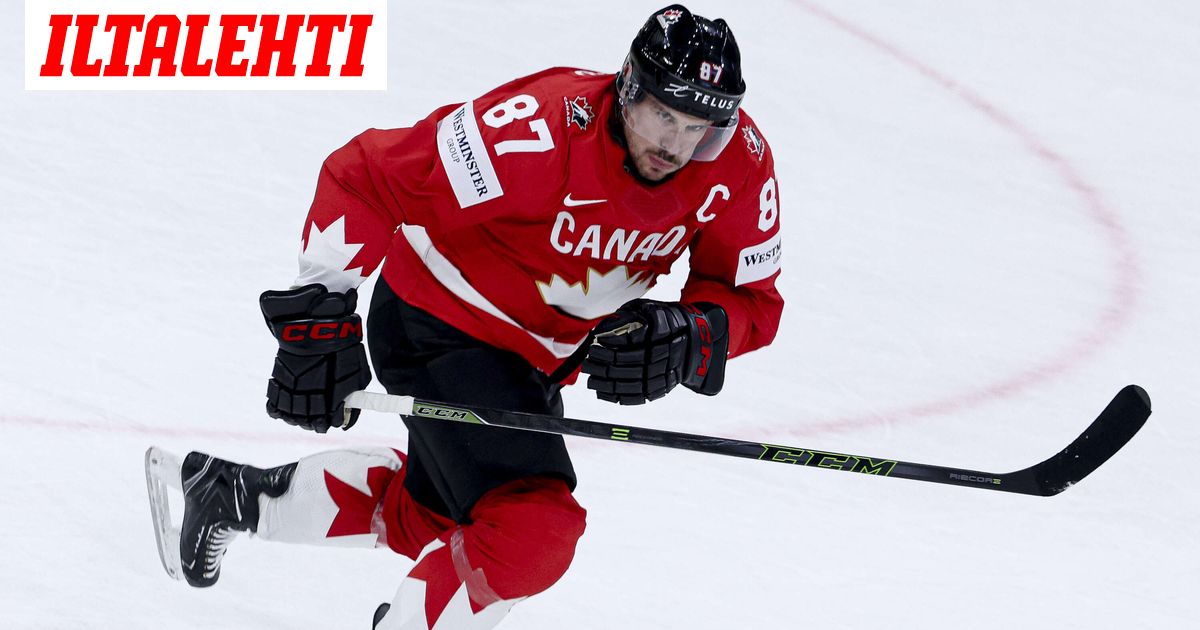
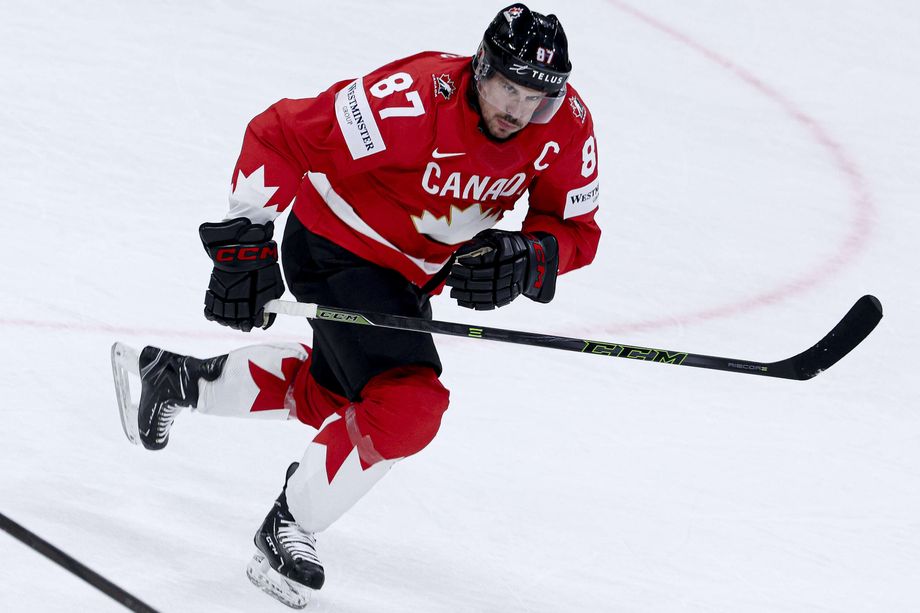
Home advantage in such tournaments is traditionally a pivotal element, and the regulations supporting this can shape perceptions of fairness and the integrity of the competition. Virta critically reflects, “The situation becomes problematic when you realize that despite winning the group stage, a team can still experience deceptive treatment.” His comments prompt inquiries into how this affects NHL stars , such as Sidney Crosby , who may reconsider venturing to Europe for the championships given such unpredictability.
According to analysts, the financial ramifications for national federations can complicate matters further. With events held in countries like Finland providing a substantial monetary influx roughly every ten years, the stakes are high for both sports authorities and players. The Finnish Ice Hockey Federation has benefited significantly from hosting the World Championship. However, it invites scrutiny about the genuine sporting spirit versus the commercial interests intertwined with hosting such international events.
The Comparison with Soccer World Championships
Virta draws a comparison with the FIFA World Cup , a tournament characterized by fervent enthusiasm among players vying for the trophy, which by all means enhances their careers. Consider the tenacity exhibited by players, such as Lionel Messi , in their unwavering pursuit of that coveted title, which has become almost synonymous with greatness in their careers. “This is where mainstream sports take center stage,” says Virta, highlighting the contrast with hockey where the competition structure and prioritization can seem less compelling.
Both hockey and soccer face economic pressures and political influences, yet the frequency of the Ice Hockey World Championship, occurring annually, complicates its perceived value. This cyclical nature raises questions about maintaining standards and ensuring that elite players are continually drawn in. “The aim should always be to attract the best players in the world, and that must be kept in mind when forming rules about hosting,” Virta emphasizes.
Administrative Insights on Tournament Structure
According to Tony Wiréhn , the secretary-general of the World Championship, the decision-making process regarding tournament formats is collectively agreed upon during annual congresses. “The format, which grants host nations a unique advantage, has been a long-standing principle in our sport. It is a consensus within the hockey community ,” Wiréhn notes. This delineation highlights the collaborative governance structure present in international hockey events, yet it also frames significant discussions about its necessity and implications for fairness.
Pekka Virta hopes that sportsmanship and integrity will be prioritized in the World Championships.Jenni Gästgivar
In summary, the recent developments at the Ice Hockey World Championship not only spotlight Denmark’s stunning success but also highlight ongoing concerns over the tournament’s structure and its influences on player participation, particularly from the NHL. The balance between maintaining competitive integrity and financial incentives will be pivotal in shaping the future of this storied competition.