
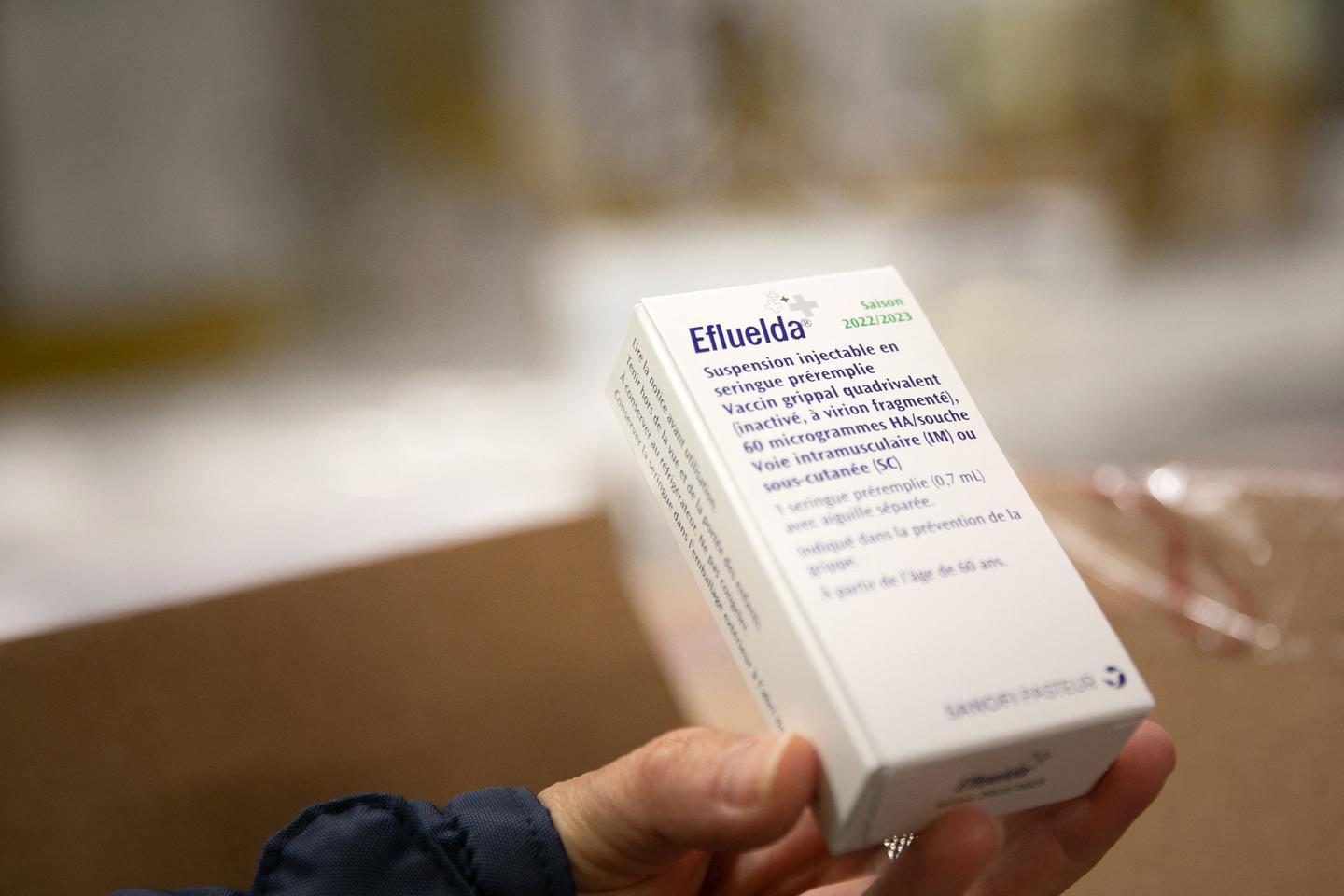
The Return of Efluelda: A Shift in French Vaccination Strategy
The landscape of influenza vaccination in France is experiencing a significant transformation with the planned reintegration of Efluelda , a highly dosed flu vaccine specifically designed for seniors. This development marks a surprising turnaround in the French authorities’ approach to flu vaccination, highlighting the ongoing debate surrounding the efficacy and pricing of vaccines in the country.
This forthcoming return is the result of a recommendation from the High Authority for Health (HAS) , issued on May 9, which endorses the usage of Efluelda among individuals aged 65 and older. The recommendation emphasizes that this vaccine should be preferred over standard dose vaccines currently available. This shift represents a significant change from the authority’s previous stance in 2020, where scientific assessments deemed the benefits of Efluelda to be “modest.”
Understanding Efluelda: Its Significance for Seniors
As we delve deeper into the implications of this decision, it is crucial to understand what Efluelda actually brings to the table. This highly dosed vaccine aims to provide older adults, who are at greater risk from influenza complications, with stronger immunity. This demographic often faces higher rates of hospitalization and mortality due to the flu. By integrating Efluelda back into the vaccination options, French authorities appear to be responding to the pressing need for more effective solutions in protecting the health of senior citizens.
Research indicates that high-dose vaccines are associated with a greater immunogenic response in older populations. The body’s immune response tends to weaken with age, making it imperative that seniors receive vaccines that can provide them better protection. Numerous studies have shown that high-dose influenza vaccines, like Efluelda, can lower hospitalization rates significantly compared to standard-dose vaccines.
Public Perception and Acceptance of Flu Vaccines
While the scientific benefits of Efluelda may be apparent, public acceptance and awareness remain critical components of a successful vaccination strategy. Over the years, hesitance towards vaccines has been exacerbated by misinformation and fear. This has made it pivotal for health authorities to launch engaging public health campaigns that clarify the importance of influenza vaccination for the elderly and the advantages presented by vaccines like Efluelda.
Social media platforms, community engagements, and even partnerships with healthcare providers can create a positive impact on public perception. By educating communities about the safety and efficacy of Efluelda, the French health system can foster a more receptive environment for vaccination.
Challenges Ahead: Pricing and Distribution
One of the pivotal factors affecting the future of Efluelda and its role in France’s vaccination strategy is the pricing . During its previous market withdrawal in April 2024, disagreements arose between the French administration and its manufacturer, Sanofi, regarding the price of Efluelda. For a long-term solution, it is critical that both parties engage in fruitful negotiations that ensure the vaccine is financially accessible to all eligible individuals.
Furthermore, the distribution channels for Efluelda will need to be carefully examined to ensure wide availability, particularly in rural sectors where access to healthcare services may be limited. Ensuring that pharmacies are adequately stocked and trained to assist seniors in understanding vaccine options will facilitate a smoother rollout.
Looking Forward: Optimism in Vaccination Efforts
The reintroduction of Efluelda represents a renewed commitment to protecting public health in France, particularly among vulnerable populations. It builds upon the foundation of lessons learned during previous vaccination campaigns and offers an opportunity to adapt strategies to meet the needs of seniors effectively . With this renewed focus, the hope is that Efluelda will boost vaccination rates and significantly reduce the impact of influenza outbreaks among older individuals in the coming seasons.