
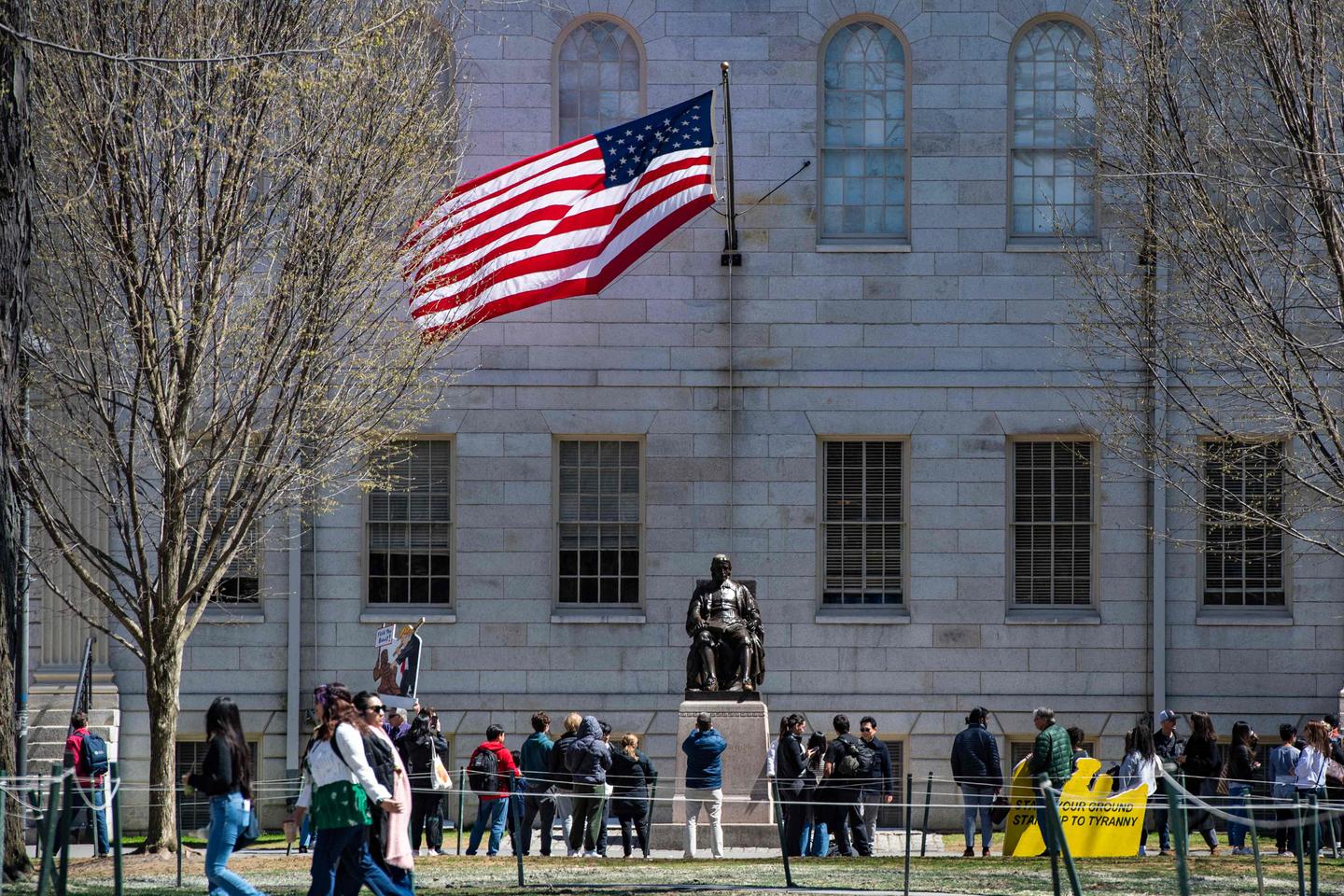
The Impact of Trump’s Assault on International Students at Harvard

On May 22, 2025, Harvard University was at the center of a significant political and social upheaval as Donald Trump announced a drastic ban on the admission of foreign students . This decision represents a bold move in the ongoing battle between Trump’s administration and the academic elite, specifically targeting one of the world’s most prestigious institutions.
The Implications for Foreign Students
Currently, approximately 6,800 international students are enrolled at Harvard, comprising more than a quarter of the university’s total student body. They have been issued an ultimatum to either transfer to a different institution or immediately return to their home countries. Such a development is nothing short of a seismic shock to the established academic environment of Cambridge, Massachusetts . The potential loss of this diverse population could lead to a significant downgrading of Harvard’s international status.
Campus Response to the Announcement
The atmosphere on campus was one of shock and fear on the afternoon of the announcement. Many foreign students contacted Vincent Pons, a professor at Harvard Business School , expressing concerns about the legality of their presence in the U.S. and the potential threat of being detained. “We receive a constant stream of calls from students who are rightfully terrified about their visa status,” said Pons. His frustration is evident as he describes the situation as a political maneuver designed to undermine what is seen as a counter-power to the Trump administration. “This isn’t just about education; it’s about fundamental freedoms — of speech, of teaching, and of conducting research,” he added.
The Broader Context of Academic Freedom
Trump’s actions are not isolated; they fit into a larger narrative in which academic institutions are perceived as bastions of liberal thought and dissent. By targeting universities like Harvard, the administration seeks to undermine the intellectual rigor and scrutiny that these institutions foster. This approach raises alarming questions about the future of academic freedom in the United States and the potential chilling effect on scholars who wish to participate in their fields without fear of political repercussions.
Reactions from the Academic Community
In the wake of the announcement, many professors , administrators, and students have voiced their concerns, emphasizing that the decision could lead to a long-term decline in academic quality . The potential loss of international students, who often bring unique perspectives and expertise, would inherently diminish the diversity of thought that is vital for a robust academic environment.
Looking Ahead: The Future of International Student Programs
As the situation unfolds, educational institutions across the country will be watching closely. The long-term effects on international student programs could reshape not only the student landscape at Harvard but at universities nationwide. The academic community must rally to resist actions that compromise the integrity and diversity of education in America.
Conclusion
The battles waged by the Trump administration against institutions like Harvard represent a profound shift in how foreign students are viewed within the educational landscape. As the situation develops, the implications for academic freedom , student rights, and the overall quality of education in the U.S. remain uncertain but undeniably critical for the future of American education.