
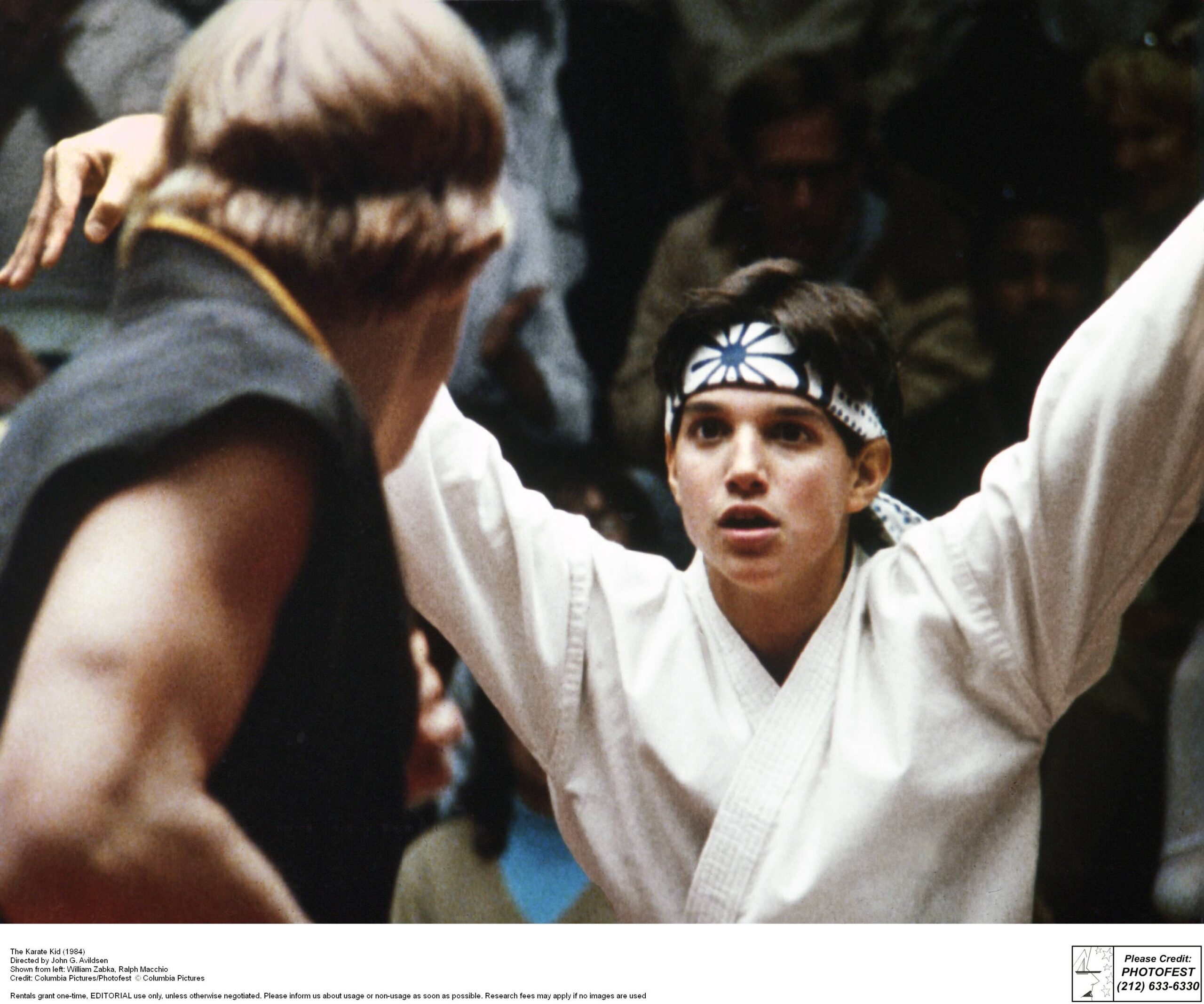
The Enduring Legacy of The Karate Kid
Written By: Richard Jerome
The modern culture of cinema is often characterized by its *iconic franchises*, but few have managed to leave a mark as profound as “The Karate Kid.” Released in 1984, this film, which featured a young Ralph Macchio as Daniel LaRusso and Pat Morita as Mr. Miyagi, quickly became a cultural phenomenon, shaping an entire generation’s understanding of karate, bullying, and the power of mentorship. Its influence endured long after its initial release, spawning sequels, a reboot, and even a hit Netflix series, Cobra Kai .
The Birth of an Iconic Franchise
The journey began with skepticism surrounding its title, which was initially seen as a *ridiculous choice* for a film. Macchio remarked in his memoir, “If I ever did get this part and the movie hit, I would have to carry this label for the rest of my life!” However, producer Jerry Weintraub insisted on keeping the title, believing its uniqueness made it memorable. Little did they know, it would come to represent the ultimate story of the underdog .
In the *early 1980s*, karate was not widely regarded as a popular activity, especially among the youth. Prior to the release of “The Karate Kid,” blockbuster teen films were virtually nonexistent. Films featuring aliens, muscle-bound heroes, and archaeologists dominated the box office, leaving little room for a film centered on a young boy learning martial arts. With a modest budget of $8 million , which paled in comparison to films like *Return of the Jedi*, expectations were low. Yet, against all odds, “The Karate Kid” became a massive hit, quickly grossing over $90 million in the U.S. alone.
Memorable Lessons and Life Lessons
One of the significant elements that contributed to the film’s success was its *powerful themes*. At its core, “The Karate Kid” is about more than just karate; it delves into *friendship*, *forgiveness*, *mental strength,* and the battle against bullying. The lessons imparted by Mr. Miyagi resonate throughout the film as he teaches Daniel not only how to defend himself physically but also how to approach life with grace and dignity. Quotes like “Wax on, wax off” and “First learn rule number one: Karate for defense only” have become part of pop culture lexicon.
In Cobra Kai , those life lessons are revisited, emphasizing growth and change. Characters evolve throughout the series; for instance, Johnny Lawrence, the quintessential bully, is given a redemption arc, allowing audiences to see him grapple with his past and attempt to understand Mr. Miyagi’s teachings. The Netflix series cleverly captures this shift, exploring how the principles of karate can lead to a more balanced life.
A Legacy that Expands Through Generations
As the years have passed, *The Karate Kid* franchise has expanded. Originally followed by two sequels, *The Karate Kid Part II* and *The Karate Kid Part III*, the universe further grew with spin-offs. Notably, 1994’s *The Next Karate Kid* introduced Hilary Swank as a new protagonist, showcasing the continued application of Mr. Miyagi’s teachings. In 2010, a reboot starring Jaden Smith and Jackie Chan made waves with a new generation, grossing over $350 million worldwide.
Cultural Impact and Modern Relevance
Despite its humble beginnings, the impact of “The Karate Kid” is felt widely. Beyond box office numbers, the film ignited a resurgence of interest in martial arts, leading to an era where karate became cool among young adults. The ethos of Mr. Miyagi, encapsulated in wisdom and practical life lessons, served as a moral compass for many.
Moreover, in a world focused on instant gratification and harsh competition, the slow, methodical teachings of Mr. Miyagi offer a much-needed reminder of the importance of patience and persistence. Characters like Daniel LaRusso embody the hard work that often precedes success, making them relatable figures for both youths and adults alike.
Current Status and Future of the Franchise
The ever-evolving franchise continues to thrive. With *Cobra Kai* now spanning several successful seasons, it has not only gained critical acclaim but also introduced the saga to entirely new audiences. In 2025, fans can look forward to *Karate Kid: Legends*, where Macchio reunites with Jackie Chan, signaling that the legacy of the Karate Kid is far from over.
Conclusion of the Cultural Journey
In exploring how “The Karate Kid” became a powerhouse of *American cinema*, we realize it’s more than just a film; it’s a journey through *friendship, resilience, and life’s trials*. From its humble beginnings to its current status as a pop culture cornerstone, the saga of Daniel LaRusso and Mr. Miyagi showcases the power of *storytelling* in shaping values and perspectives on various life challenges. The enduring mantra of “Karate for defense only” continues to inspire many, proving that while times may change, the lessons learned from it will always remain relevant.