
Jan-Mikael Järvinen’s Tough Blow in Quarterfinal Match
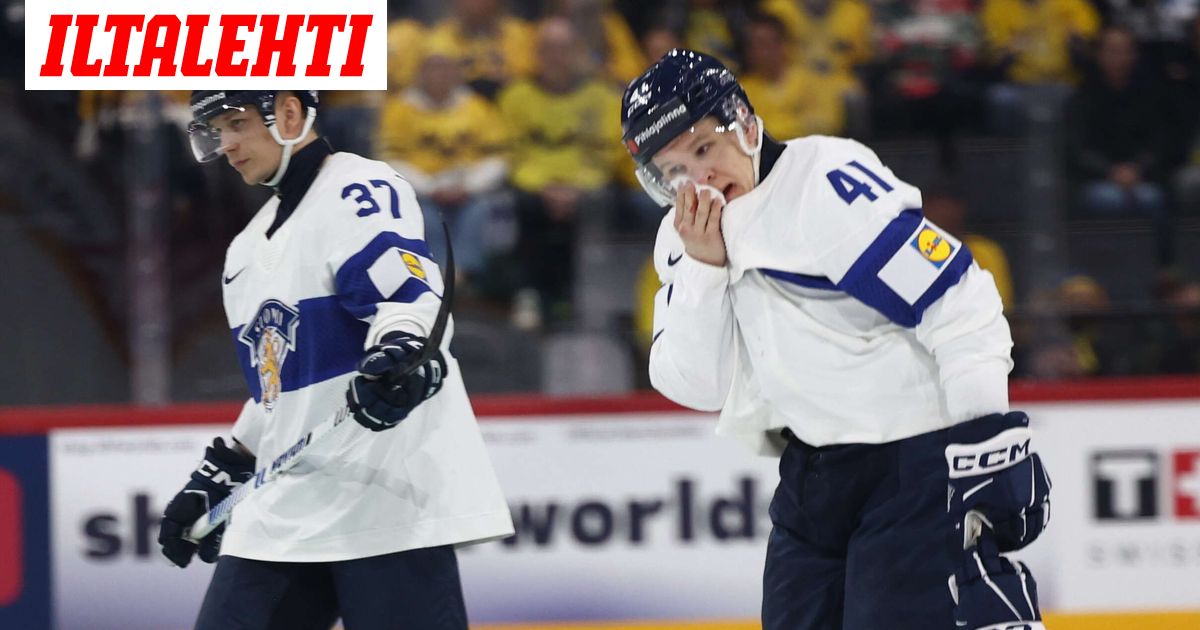
In a highly anticipated quarterfinal showdown between **Finland** and the **United States**, veteran player **Jan-Mikael Järvinen** received a significant blow to his face during the opening period of the game. The incident instantly raised concerns for the Finnish team as they aimed for victory in this crucial encounter.
After receiving the hit, Järvinen was forced to retreat to the locker room for evaluation and treatment. Unfortunately for the Finnish squad, he did not return for the start of the second period. The sudden absence of the experienced **Porin Ässät** player left a noticeable gap in their game plan.
Impact on Team Dynamics
The injury sustained by Järvinen raised questions about the extent of the damage. According to **Sami Kapanen**, an expert and former NHL player providing commentary, there was a significant opening in Järvinen’s cheekbone. Kapanen elaborated, saying, “It’s likely that this injury could involve fractured bones or damage to his teeth. We will need to be on the lookout for possible **concussion symptoms** as well.” This deterioration certainly impacts not just the physical condition of Järvinen but also the overall dynamics of the **Finnish National Team**.
Maintaining a strong pipeline for their center play became a priority. Kapanen noted, “With Järvinen sidelined, we will have to play with three centers. This adjustment could disrupt our typical lineups, and we might see some players doubling up on roles.” The absence of a reliable center could significantly affect the team’s performance, especially during crucial **special teams situations** like power plays and penalty kills.
Repercussions on Game Strategy
The **Leijonat** (Finnish national team) has always prided itself on its strong teamwork and versatility on the ice. Losing Järvinen, who brings vast experience and skills, requires an immediate strategic response. Coaches will have to rethink their approach, possibly introducing other players to fill the void left by Järvinen’s injury. This shift could lead to experimentation with line combinations, creating an unpredictable aspect that opponents need to consider.
In the high-stakes environment of an international tournament, every player’s performance matters immensely. Kapanen emphasized the importance of adapting quickly, stating, “It’s critical that the alternate centers take that challenge head-on. The pressure is now on them to step up and make a difference in this game.” This mantra will fuel the determination of the remaining players on the ice.
Looking Ahead: Finnish Hockey’s Future
While the current situation is tough, it is essential not to overlook the potential future of **Finnish Hockey**. With a strong youth program and certain up-and-coming players already showcasing their skills internationally, the team must continue to develop its pipeline of talent. Järvinen’s injury serves as a reminder of the importance of depth in the roster; injuries can happen at any time and to any key player. This reinforces the idea that everyone on the team must be prepared to seize their moment to shine and deliver outstanding performances regardless of the circumstances.
The Importance of Mental Resilience
In addition to the physical aspects of the game, the mental resilience of the team will also be tested in the wake of Järvinen’s injury. Players must remain focused and disciplined amidst the challenges and uncertainties that plague them. The constant pressure of performing at an elite level can often lead to heightened stress and anxiety, but the best teams are those that manage these pressures effectively.
The coaching staff’s role becomes pivotal in maintaining team morale, ensuring that each player feels valued and empowered to contribute. As Kapanen stated, “It’s essential to foster a culture where players are encouraged to take risks, be creative, and showcase their skills.” When the team fosters a mentally supportive environment, they increase their chances of overcoming obstacles, preventing pressure situations from derailing their journey.
Conclusion
Jan-Mikael Järvinen’s injury during the quarterfinal match against the **United States** is indeed a setback for the Finnish national team. However, it gives them an opportunity to rethink strategies, foster resilience, and provide lesser-known players a chance to shine. As the tournament progresses, the team will need to adapt quickly and face each challenge as a united front. Regardless of the outcome, Finland’s commitment to developing a robust hockey culture will be crucial for its long-term success on the international stage.