
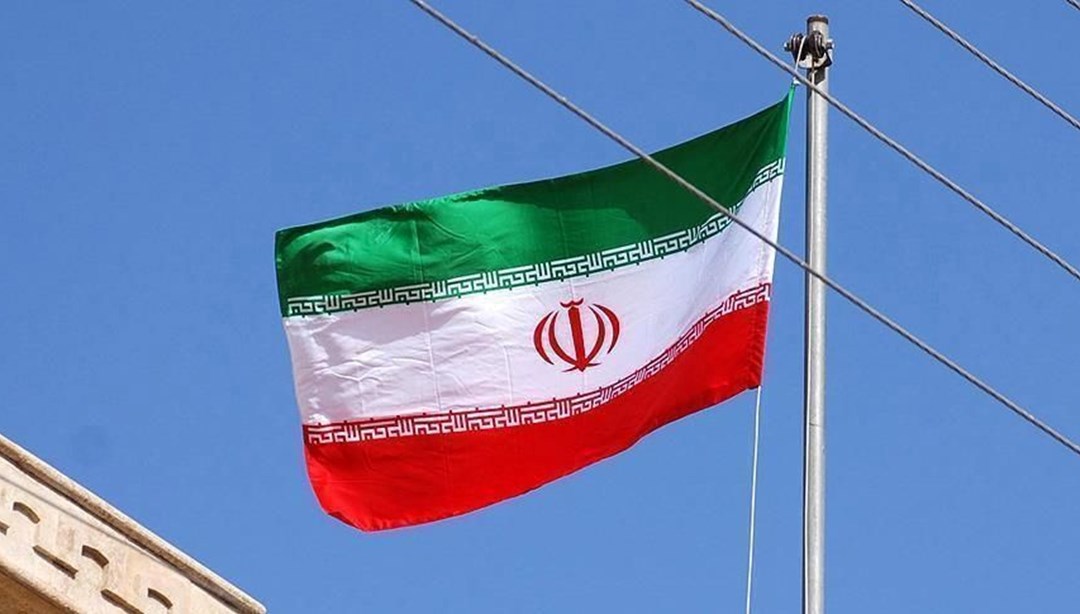
The Ongoing Nuclear Negotiations Between Iran and the U.S.
The nuclear negotiations between Iran and the United States are facing significant challenges as they progress. The Omani Foreign Minister, Bedr bin Hamed el-Busaidi, recently made a crucial announcement via social media, stating, "The fifth round of Iran-U.S. talks will take place on May 23, Friday, in Rome." This meeting signifies a continued effort to address the longstanding issues surrounding Iran’s nuclear program.
Key Points of Disagreement
At the core of the negotiations lies the contentious issue of uranium enrichment. This topic has emerged as a fundamental point of disagreement between the two nations. Iran demands the lifting of sanctions in exchange for restrictions on its nuclear program, specifically aimed at preventing the country from producing atomic weapons. However, this proposal has led to a complex web of diplomatic challenges that must be navigated.
The U.S. has previously indicated a willingness to accept Iran’s low-level uranium enrichment. However, recent statements from U.S. officials suggest a shift in stance, with an emphasis now on compelling Iran to halt all levels of uranium enrichment. This shift has raised concerns about the potential derailment of the diplomatic process, as both sides appear to be moving farther apart.
The Role of Oman as a Mediator
Oman’s role as a mediator has been pivotal in these diplomatic discussions. The country has established itself as a neutral party, facilitating dialogue between Iran and the U.S. In the previous four rounds of discussions, Oman has provided a platform for both nations to express their viewpoints and work towards a common solution. The continuing need for diplomatic engagement is clear, and Oman remains committed to fostering dialogue.
Despite the failure to reach a consensus, the five rounds of negotiations underscore the complexity of the issues at hand and the importance of sustained communication. The Omani government has emphasized that dialogue is essential for managing tensions and finding a resolution to the crisis.
Iran’s Position in Nuclear Talks
Iran’s stance remains firm; the nation insists that its nuclear program is for peaceful purposes and aims to advance its technological capabilities. Abbas Erakçi, Iran’s Foreign Minister, recently stated that the demand from the U.S. for Iran to cease its uranium enrichment activities entirely is troubling. Following this assertion, he mentioned that Iran had not yet made a decision on whether to participate in the fifth round of negotiations due to the evolving demands of the U.S.
This situation raises critical questions about the future of the negotiations. Will Iran be willing to compromise on its nuclear activities? Or will the insistence on halting enrichment exacerbate tensions further? The delicate balance between negotiation and action will be vital in the upcoming talks.
The Impact of Sanctions on Iran
The heavily imposed sanctions on Iran by the U.S. have exacerbated the financial and social challenges faced by its citizens. As Iran continues to push for the lifting of these sanctions, there is a growing sense of urgency among its leaders. The economic ramifications of the sanctions are felt across various sectors, fueling public dissatisfaction and impacting the overall stability of the nation.
Negotiators are acutely aware of how these external pressures influence the discussions. Economic stability allows for greater diplomatic flexibility, but the current scenario presents formidable challenges. Underestimating the impact of these sanctions could hinder the potential for a successful agreement.
International Observers and Their Concerns
The tension surrounding these negotiations is not limited to Iran and the U.S. International observers are closely monitoring the discussions, apprehensive about the potential consequences of failure. A breakdown in talks could not only escalate hostilities but also destabilize the broader region in unprecedented ways. Countries surrounding Iran are particularly concerned about the ramifications of a nuclear-armed Iran and the resulting geopolitical shifts.
Additionally, organizations like the International Atomic Energy Agency (IAEA) are playing an instrumental role in ensuring that developments are transparently reported. These entities emphasize the need for compliance with international treaties and provide monitoring capabilities that seek to maintain the integrity of global security.
Future Prospects
Looking ahead, the fifth round of negotiations will be pivotal in determining the trajectory of U.S.-Iran relations. The stakes are high; both nations must find common ground while addressing their core concerns. The potential for a diplomatic resolution exists, provided that both sides are willing to compromise and engage sincerely.
As we await the results of the upcoming talks, the international community hopes for a collaborative approach that can lead to sustainable and peaceful outcomes. The fate of the negotiations will not only impact Iran and the U.S., but also set a precedent for future diplomatic endeavors aimed at resolving complex international issues.
Nevertheless, the prognosis remains cautious. The intricate dynamics at play in the nuclear negotiations necessitate a delicate balance between diplomacy and resolve. This scenario emphasizes that progress will likely be slow and fraught with obstacles, underscoring the need for perseverance and strategic diplomatic engagement.