
Israel’s Strategic Military Operations in Gaza
In recent statements, Israeli Prime Minister Benjamin Netanyahu has announced the start of extensive military operations in the Gaza Strip, dubbed as “Gideon’s Battle Chariots.” The objective of these operations is not only to gain complete control over the region but also to eliminate Hamas, which Netanyahu characterizes as a significant threat to Israeli security.
Netanyahu’s Commitment to Israeli Security
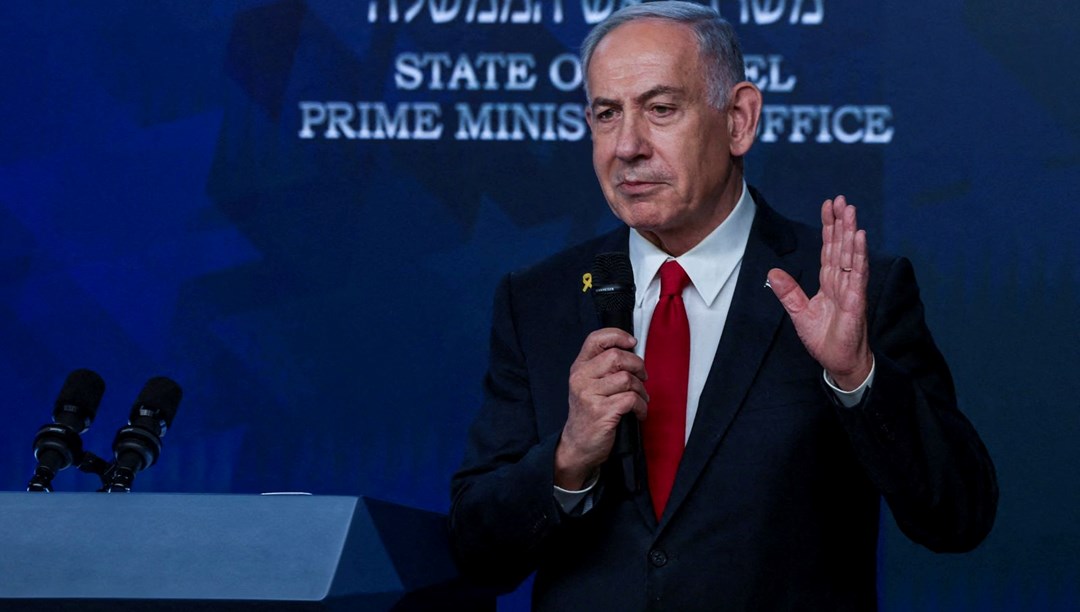
Netanyahu declared during a press conference that the ongoing assault is part of a broader strategy aimed at achieving security guarantees for Israel. He emphasized readiness to end military actions under specific conditions, such as the release of Israeli hostages, disarmament of Hamas, the relocation of its leadership overseas, and the implementation of a controversial plan reminiscent of Trump’s proposals for resolving Israeli-Palestinian issues.
The Prime Minister described the Trump plan as "very correct and revolutionary," challenging assertions about deteriorating relationships with the United States. Reports circulating in the Israeli media suggest that the Trump administration might be considering inviting former Israeli Prime Minister Naftali Bennett to the White House, hinting at potential variations in Israeli leadership strategies.
Targeting Key Hamas Figures
Recent Israeli military actions included targeted strikes in Khan Yunus, located in the eastern Gaza Strip, resulting in allegations of significant casualties among Hamas leadership. Netanyahu specifically mentioned that amidst the operations, crucial figures such as Ismail Haniyeh, Yahya Sinwar, and Muhammed al-Masri (also known as Muhammed Deif) were likely eliminated.
Reports emerged claiming that Yahya Sinwar’s brother, Muhammad Sinwar, might have also been killed during these operations, marking a notable victory for Israeli forces aiming to undermine Hamas’s command structure.
European Reactions to the Conflict
The conflict has drawn sharp criticism from various nations, particularly in Europe, where calls have intensified to halt the attacks that resulted in the deaths of thousands of civilians in Gaza. Netanyahu, however, firmly rejected any notion that European concerns would influence Israel’s military objectives. He asserted, “European countries will not affect us and will not lead us to abandon our war objectives,” reinforcing Israel’s steadfast commitment to its military strategy.
The Ongoing U.S.-Iran Negotiations
Netanyahu also addressed the ongoing nuclear negotiations between the United States and Iran, categorizing Tehran as a persistent threat to Israeli national security. He noted that Israel maintains close coordination with the U.S. on this issue, reaffirming that discussions continue to revolve around preventing uranium enrichment.
Furthermore, Netanyahu hinted at the potential threat posed by the Houthis in Yemen, who have been launching attacks against Israel using ballistic missiles and drones, stating that "the last word has not been spoken" in this matter, indicating ongoing vigilance and readiness.
Israel’s Long-Term Occupation Strategy for Gaza
The Israeli Defense Forces (IDF) initiated ground operations aimed at cementing a long-term occupation of Gaza on May 18. The intensity of aerial assaults has escalated rapidly, with alarming increases in civilian casualties reported. Local hospitals in Gaza received 87 dead and 290 injured in a single 24-hour period, highlighting the dire humanitarian situation.
Official reports indicate that Israel’s relentless assaults over the last 20 months have resulted in over 53,000 Palestinian deaths, with the number of injuries surpassing 121,000. As the conflict continues to escalate, the focus on military maneuvers raises critical inquiries about the future stability of the region and the lives of those caught in the crossfire.
The Broader Implications of the Conflict
The repercussions of the ongoing military actions in Gaza extend far beyond the immediate battlefield. They have ignited debates globally about human rights, military ethics, and the humanitarian consequences of conflict within densely populated civilian areas. Critics argue that the civilian toll underscores the necessity for a diplomatic resolution to the longstanding Israeli-Palestinian conflict.
The choice to engage in heavy military operations rather than seeking diplomatic dialogue raises questions about Israel’s long-term security strategy and whether such actions will ultimately yield the desired results or further intensify the cycle of violence. As the situation evolves, the eyes of the world remain fixated on the unfolding events in Gaza, with implications for regional stability and international relations hanging in the balance.