
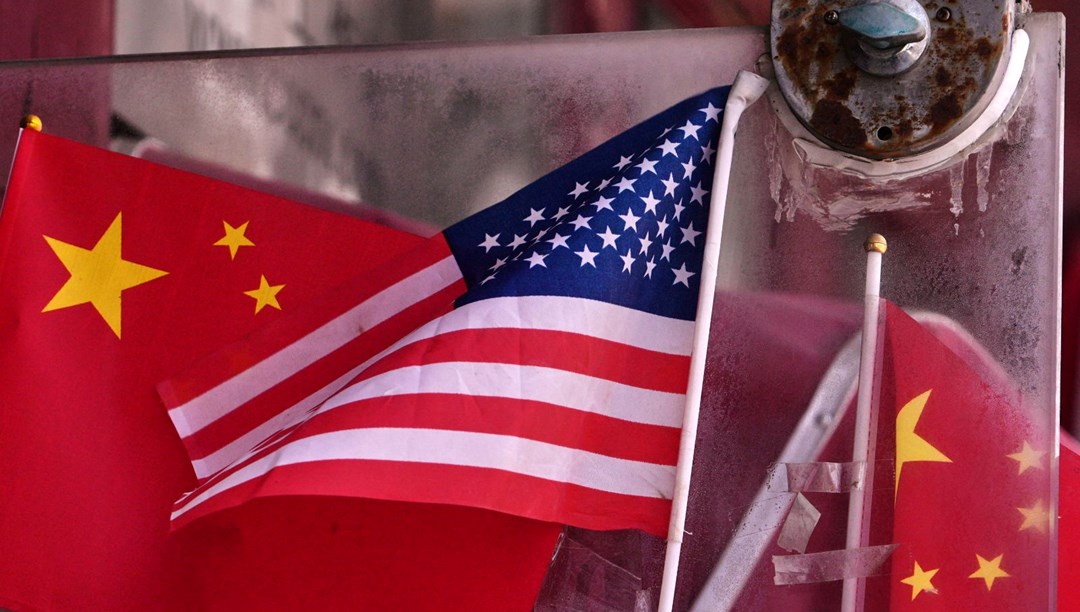
China’s Response to the "Iron Dome" Defense System
China has recently voiced concerns regarding the United States’ President Donald Trump’s "Iron Dome" missile defense system project. The Chinese government warns that this initiative could trigger an arms race in space, violating the principles of peaceful usage established in international agreements.
During a press conference in Beijing, Chinese Foreign Ministry Spokesperson Mao Ning addressed questions about the project, emphasizing that the US aims to create a global, multi-layered, and cross-border missile defense system through the Iron Dome. Mao pointed out that the proposed satellite detection and tracking systems are intended to extend the US’s combat capabilities beyond the Earth’s atmosphere.
Impacts on International Security
Mao stressed the aggressive nature of the project, indicating that it undermines the Outer Space Treaty’s principles of peaceful application. He highlighted that the Iron Dome project poses risks of turning space into a battlefield while igniting a new arms race in space. Moreover, it could weaken international security and arms control frameworks.
"This is merely another expression of America’s ‘America First’ agenda that prioritizes its security over everything else. It threatens not only the principle of comprehensive security for all but also jeopardizes global strategic balance and stability," Mao declared during the conference.
He urged the US to halt the development and deployment of global missile defense systems. Furthermore, Mao called for enhanced strategic trust among major powers to maintain global strategic stability.
Trump’s "Iron Dome" Project Announcement
President Trump officially announced the long-anticipated "Iron Dome" defense system the previous day. He described the project as a state-of-the-art system deploying next-generation technologies, including space-based sensors and interceptors across land, sea, and air.
Trump stated that an initial budget of $25 billion would be allocated for the project, with additional expenses planned for future fiscal years. This bold initiative aims to contribute significantly to US national security amidst rising global tensions.
Now, this multifaceted approach to missile defense emphasizes technological advancements and strategic deployment, showcasing a shift in how the US perceives and addresses modern threats.
The Global Response to Militarization in Space
With the increasing militarization of space becoming a glaring reality, nations around the world have begun to express their concerns. China’s reaction serves as a reflection of broader apprehensions about national defense strategies extending into outer space. The Iron Dome project is not an isolated endeavor; it serves as a catalyst for a discussion about global security, collaboration, and the militarization of strategic frontiers.
Additionally, international bodies and policymakers are faced with the challenge of addressing the implications of such defense programs. The potential for escalation is substantial, and nations must navigate the delicate balance between national security interests and significant global rivalries.
China’s Call to Action
In light of these developments, China’s government has reiterated its commitment to enhancing global peace and stability. Mao concluded with a call to action, urging the United States to reconsider its strategies and prioritize cooperation over confrontation. "There is an urgent need to move away from arms competition and towards achieving mutual understanding and security cooperation among major nations," Mao insisted.
This push for a collaborative approach underscores the global community’s responsibility to engage in constructive dialogue and collective action to prevent the risks associated with the expansion of military capabilities into space.
The Need for International Treaties
Amidst rising tensions and defense projects like the Iron Dome, the necessity for renewed international treaties becomes glaringly apparent. Existing agreements, such as the Outer Space Treaty, require successful collaboration to adapt to contemporary challenges. Countries must collectively reaffirm their commitment to preventing space from becoming a military arena.
Negotiating new frameworks or revitalizing existing treaties could serve as a crucial step toward defusing potential conflicts. The responsibility rests not just on the US but on all nations to foster an environment that promotes peaceful and sustainable uses of outer space.
Conclusion
As nations grapple with the implications of advanced defense systems like the Iron Dome, it becomes increasingly evident that a cooperative strategy focused on dialogue and mutual respect is critical. The ongoing developments in China’s response to the Iron Dome project serve to highlight the challenges that lie ahead in achieving a harmonious balance between security and cooperation in a rapidly evolving global landscape. By working together, nations can strive towards achieving a world where defense strategies do not come at the cost of increasing tensions or escalating arms races in space.