
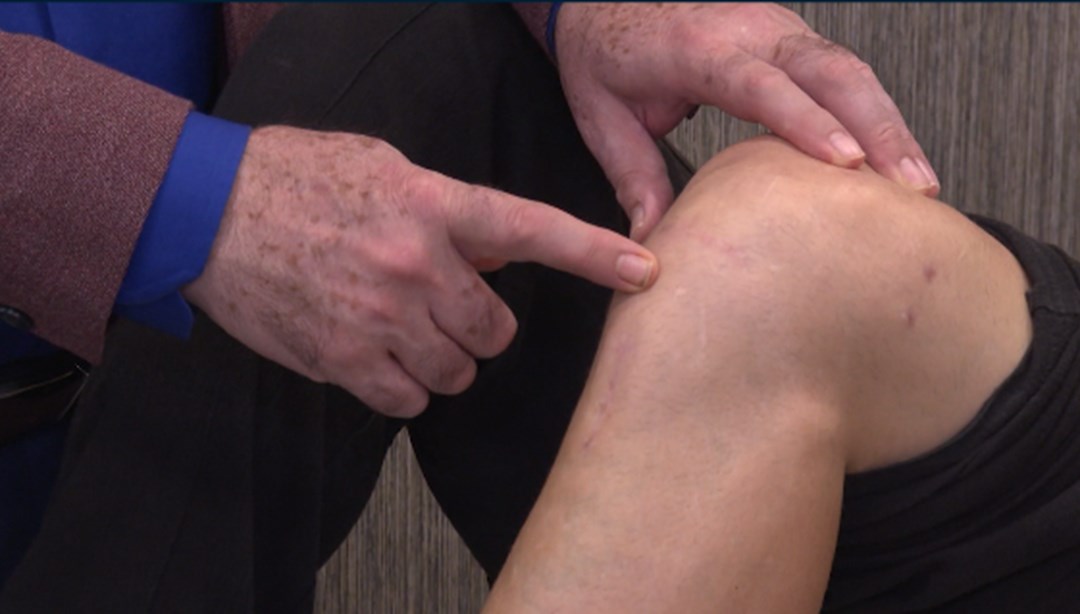
The Rise of Sports Injuries
Sports injuries are an inevitable aspect of physical activity, particularly in high-performance environments. From **ankle sprains** to **ACL injuries**, the consequences can be significant for both amateur and professional athletes. As sports continue to become more competitive, the need for effective recovery solutions has never been greater.
Challenges in Recovery
One of the most challenging injuries to recover from is the **Anterior Cruciate Ligament (ACL)** tear. This injury often leads to lengthy rehabilitation periods, and many athletes find themselves struggling to return to their previous level of performance. Traditional treatments often involve extensive physical therapy and sometimes surgery, which can be time-consuming and painful.
Introducing Innovative Techniques
In light of these challenges, **Prof. Dr. Yavuz Kocabey**, an expert in sports injuries, has made significant strides in ACL recovery methods. His newly developed technique promises to accelerate the healing process, enabling athletes to return to their sport more quickly and efficiently. Prof. Dr. Kocabey’s approach is not just revolutionary; it has also **gained international attention**, marking a notable contribution to the medical field.
Details of the New Technique
The specific details of the method remain somewhat confidential, but it integrates cutting-edge **rehabilitation** protocols and advanced biological techniques. The process involves a combination of enhanced physical therapy modalities and innovative **surgical intervention** when necessary. This dual approach ensures that patients experience reduced recovery times and improved outcomes. The technique’s efficacy is backed by clinical studies and real-world applications.
Real-Life Applications
Prof. Dr. Kocabey has had the opportunity to treat various high-profile athletes, witnessing impressive recovery rates. His work emphasizes a patient-centered approach, ensuring that each treatment plan is tailored to the individual’s unique needs. Athletes have reported feeling strong and ready to compete sooner than expected, which in a sport where every second counts, can be the difference between success and failure.
Athletes Speak Out
Testimonials from athletes treated by Prof. Dr. Kocabey highlight the success of the new technique. Many express gratitude for his innovative methods, with one athlete stating, “I never thought I’d return to my sport in such little time. Prof. Dr. Kocabey’s technique has profoundly impacted my life.” Such experiences not only underscore the effectiveness of his method but also elevate its status in the realm of sports injury recovery.
The Role of Technology in Rehabilitation
Technology plays a crucial role in contemporary rehabilitation. Prof. Dr. Kocabey incorporates **state-of-the-art equipment** and tools that enhance the recovery process. This includes **biomechanical assessments** and real-time feedback loops that help to track progress accurately. As technology evolves, so does the capacity for physicians to provide superior care to their patients.
Future Implications for Sports Medicine
The introduction of this new recovery technique may pave the way for future innovations in **sports medicine**. If successful, it could lead to further research and the development of additional methods aimed at various types of injuries. Sports medicine professionals are keenly observing the outcomes linked to Prof. Dr. Kocabey’s approach, as it could potentially set new benchmarks for treatment protocols worldwide.
Community Impact
Beyond individual achievements, Prof. Dr. Kocabey’s work also resonates within local communities and the broader sports landscape. By improving recovery times and protocols, he is indirectly fostering a culture of **active participation** in sports, particularly among young athletes. As the barriers to recovery diminish, more individuals will be encouraged to pursue their athletic passions without fear of injury derailing their goals.
Global Collaborations
The influence of Prof. Dr. Kocabey’s technique is extending beyond national borders. Collaborations with international sports medicine institutions are in the works, aiming to adapt and implement his methods globally. Such partnerships highlight the global nature of sports and medical science, uniting professionals to push the boundaries of what is possible in athletic recovery.
Conclusion
In an era where sports injuries can often end careers, Prof. Dr. Yavuz Kocabey’s innovative technique stands out as a beacon of hope. Through his expertise and dedication, he is not only changing the lives of athletes but also redefining the standards of recovery in sports medicine. As we move forward, his contributions will undeniably influence how medical professionals approach sports injuries, ensuring that athletes are equipped to return to their passions stronger than ever.