
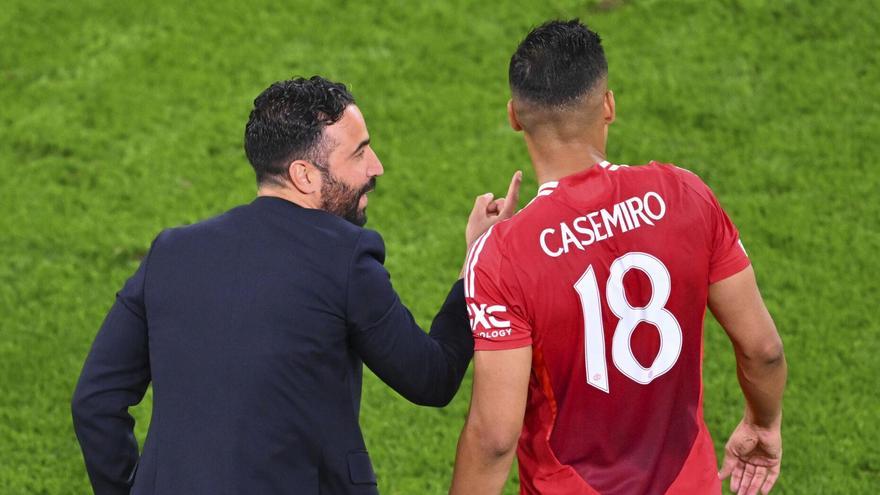
The Decline of Manchester United: A Season of Discontent
The recent events surrounding Manchester United have put the club under intense scrutiny, culminating in a staggering realization: no project, no future, and no identity. With the defeat at San Mamés, the whisper of Champions League aspirations fades into the background. This loss marks a significant chapter in what many are calling the decline of one of England’s most historic clubs.
The Europa League Heartbreak
In a match where the anticipation was palpable, the Europa League final did not yield the glory that fans had hoped for. Manchester United’s campaign has been riddled with disappointment, as they failed to assert their dominance on a continental stage. Despite holding a historic reputation, the Red Devils have often struggled in matches that matter, showcasing a persistent decline over the last few seasons. The team has faced challenges that seem insurmountable, leading to a conclusion that this is a season without redemption.
One must envision the reality of a team that not only lost its final opportunity to qualify for the Champions League, but also questioned its standing in football. For a club accustomed to winning, their current Premier League ranking of sixteenth feels like a harsh wake-up call. The absence of European football next season will have profound implications for the squad.
An Unstoppable Downward Trend
Historically, Manchester United thrived on the ethos of victory; however, their downturn became evident following the departure of legendary manager Sir Alex Ferguson. The change in ownership and leadership has resulted in a revolving door of managers, each unwilling or unable to restore the club’s previous glory. The hiring and firing of various coaches, coupled with player acquisitions that haven’t yielded results, defines their current state.
What was previously considered a golden era now feels like an elusive memory. This disarray exhibited in the squad’s performance leaves fans questioning if they can rise from the depths. The familiar mantra of “United always finds a way” appears to be a distant echo, overshadowed by a season that saw the team struggle to maintain its core identity and performance level.
Ruben Amorim: A Misguided Transition
When Ruben Amorim was brought in to replace Erik ten Hag, expectations were high. Yet, the Portuguese coach has found himself ensnared in a web of underperformance. Ten Hag’s departure in October was seen as a potential solution; however, against the reality of the situation, it became clear that altering the managerial ship was merely a cosmetic change. Amorim’s failure to reverse the misfortunes speaks to the deeper issues entrenched within the club’s framework.
Despite his best attempts, Amorim could not ignite the kind of transformation necessary for a club of Manchester United’s stature. A project derailed years ago cannot be put back on track in a matter of months. The prevailing struggle indicates that what United truly requires is not merely a new coach but a comprehensive reinvention of their footballing philosophy.
The Harsh Financial Reality
The ramifications of failing to secure a place in the Champions League extend beyond just sporting achievements. Financial stability is precarious, and without the lucrative revenue that comes from competing at the highest level, the club must brace itself for a series of hard-hitting consequences. The lack of Champions League football is likely to deter top talents from seeking a move to Manchester, particularly when the rival blue side of the city continues to succeed.
The grim reality takes shape as the potential for player departures looms large. The pressure to cut wage bills could result in an unprecedented exodus of key players. The club’s finances will become tighter, necessitating a more cautious approach in the transfer market. Any wrong move could set Manchester United further back, deepening their current crisis.
The Verdict: A Future in Jeopardy
For loyal supporters of Manchester United, the current landscape is bleak. The club appears adrift, lacking both direction and assurance. The balance sheet is tightening, and as the need for major shifts looms, the organization must contemplate how to revamp a squad that clearly needs reinvention.
This stagnation showcases a stark contrast to the historical narratives of success. Emphasis must shift toward youth development and strategic acquisitions, allowing the club not just to survive, but to thrive once again. However, with the uncertainty hanging heavily over Manchester United, the upcoming season will be pivotal in shaping its identity for years to come.
The reality is stark: in 2025, Manchester United faces an identity crisis alongside a significant sporting and financial chill. The road to recovery will be long and fraught with difficulties, making the next steps critical for one of football’s most storied teams.