
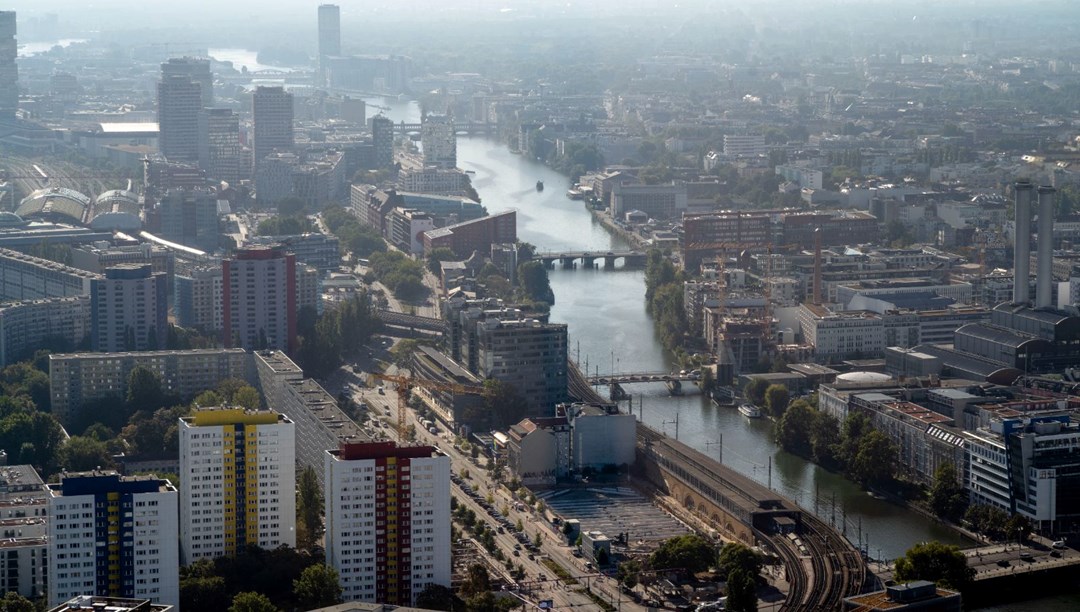
Overview of Rental Prices in Germany
The **Federal Statistical Office of Germany** (**Destatis**) has recently published results from a **2022 census** regarding rental payments across the country. This research highlights significant differences in rental costs between German citizens and non-citizens, shedding light on the financial implications for various demographics living in Germany.
Rental Price Statistics
According to the findings, the **average net rent** for non-German passport holders stands at **7.75 euros per square meter**, while for German citizens, the average is slightly higher at **7.80 euros per square meter**. This indicates that non-citizens are required to pay **9.5% more** in rent compared to their German counterparts. This disparity raises important questions about the challenges faced by expatriates and foreign residents in securing affordable housing in Germany.
Correlation Between Rental Price and City Size
The research also reveals a noteworthy correlation between the **rental price variation** and the size of the area where individuals reside. In medium-sized cities with populations ranging from **50,000 to 100,000**, the rental price gap is the least, at about **6.6%**. Conversely, in small towns with fewer than **10,000 residents**, foreign tenants face even greater challenges, as they encounter **10.6% higher** rental prices than Germans. This indicates that location plays a crucial role in rental prices, affecting how expatriates experience the housing market depending on their chosen city or town.
Living Spaces and Their Impact
One of the key findings from the study is that the **size of living spaces** also significantly influences rental costs. On average, foreigners live in apartments that occupy **85.7 square meters**, whereas German citizens tend to occupy larger apartments, averaging **109.6 square meters**. This difference in living space is crucial because larger apartments are generally available at lower prices per square meter, thus conveying an advantage to German citizens in the rental market.
Home Ownership Trends
Additionally, the study highlights the disparity in **homeownership rates** between the two groups. Approximately **54%** of German citizens reside in homes they own, while only about **22%** of foreign residents live in their own properties. This substantial difference emphasizes the challenges that non-Germans face in entering the housing market, particularly regarding ownership, which can lead to increased **financial strain** as they may have to rely entirely on rental accommodations.
Impact of Economic Factors
These statistics and findings are indicative of broader economic factors at play in the German housing market. Issues such as **high demand for housing**, coupled with limited availability, contribute to inflated rental prices. Furthermore, foreigners might face language barriers or a lack of local knowledge that could disadvantage them in negotiations or understanding rental agreements, further impacting their housing costs.
Conclusion on Rental Trends
The findings of Destatis reveal an intricate landscape of **rental disparities** in Germany, with non-citizens facing greater financial pressures in securing affordable housing. As cities continue to grow and evolve, addressing these disparities will be crucial for promoting a more inclusive environment for all residents. Awareness of these issues can lead to policy changes that support fair and equitable access to housing, ultimately benefiting the fabric of society in Germany.