
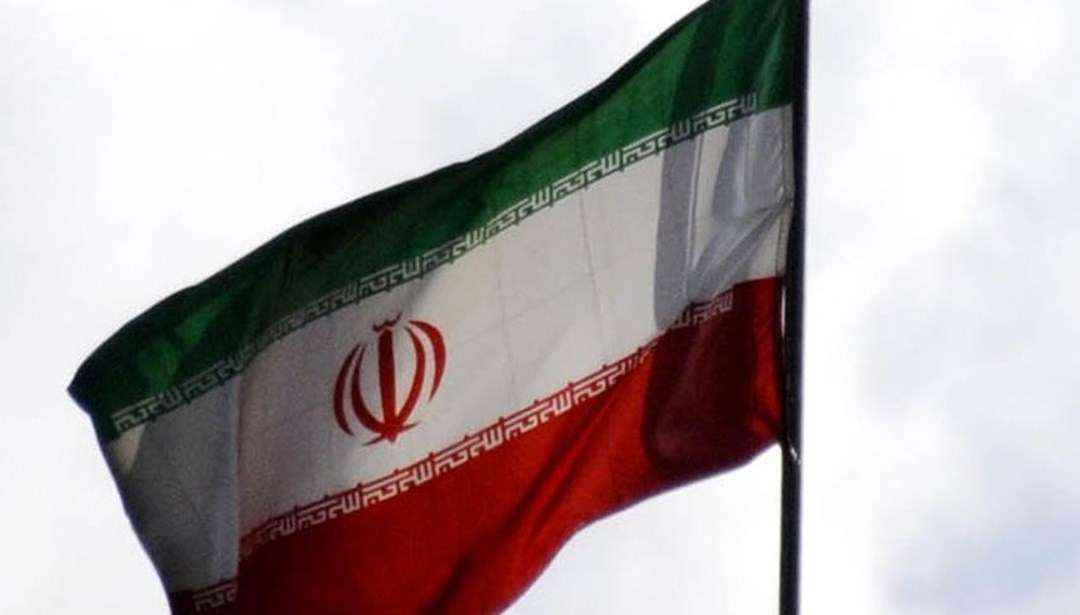
The January 2023 Armed Attack on Azerbaijan’s Embassy in Tehran
On January 27, 2023, a shocking armed attack occurred at the Azerbaijan Embassy in Tehran, resulting in the tragic death of a security officer stationed at the embassy. This incident underscored the existing tensions between Iran and Azerbaijan, raising international awareness and raising security concerns for diplomatic missions in volatile regions.
The Circumstances Surrounding the Attack
Reports indicated that the suspect claimed to have acted out of personal grievances related to his marital issues. Such a revelation brings attention to the complexities of individual motivations that can lead to violent actions. While the attack’s justification remains questionable, it highlights the urgent need for addressing potential mental health resources and support within the region.
Legal Repercussions and Diplomatic Fallout
In the aftermath of the attack, the judicial system in Iran swiftly dealt with the assailant, announcing his execution shortly thereafter. This swift punishment reflects not only Iran’s legal stance on violent crimes but also serves as a message to potential offenders, reinforcing the seriousness with which such threats to diplomatic safety are taken. Following the attack and subsequent execution of the attacker, the diplomatic relations between Baku and Tehran grew increasingly strained.
Azerbaijan’s government reacted decisively by recalling all embassy personnel and diplomats from Tehran. This mass withdrawal symbolized a significant shift in Azerbaijani foreign policy and raised concerns over diplomatic relations in the region. The complete withdrawal of staff from the embassy marked a historic downturn in a relationship that had long been marked by a complex interplay of cooperation and strife.
Restoration of Diplomatic Relations
Following months of tension, there was a notable shift when Azerbaijan’s Embassy in Tehran resumed operations on July 15, 2024, at a new location. This marked a significant step towards the normalization of diplomatic relations between the two nations. The reopening of the embassy signified both countries’ willingness to confront their differences and work towards re-establishing a stable diplomatic framework.
A Milestone Visit from Iranian President
An essential development in this normalization process was Iranian President Masoud Pezeshkian’s visit to Baku in recent months. This visit was a vital gesture towards healing the diplomatic rift, reflecting a desire for improved communication and collaboration between the two nations. During this visit, discussions focused on bilateral trade, regional security, and a shared approach to addressing mutual concerns.
The willingness of both sides to engage in dialogue marked a turning point, indicating that despite previous grievances, there is a path forward toward mutual understanding and cooperation.
The Impact on Regional Security
The escalation of tensions following the embassy attack has broader implications for regional security. The incident draws attention to the vulnerabilities faced by diplomatic missions in hostile environments. The emphasis on security measures and protocols has never been more critical. Both nations recognize that a stable diplomatic relationship is essential for maintaining peace and security in the South Caucasus region.
The Role of International Observers
International observers have been closely monitoring the developments between Iran and Azerbaijan. These observers emphasize the importance of constructive dialogue and collaboration as fundamental tools for resolving disagreements. The situation exemplifies how international diplomacy can sometimes result in tangible progress despite previous adversities.
The presence of international diplomatic missions will continue to play a pivotal role in facilitating open communication channels between Iran and Azerbaijan. With the reopening of the embassy, both countries can now address long-standing issues while working towards a harmonious future.
Public Sentiment and National Pride
The events surrounding the embassy attack and subsequent diplomatic fallout elicited strong reactions from citizens in both nations. In Azerbaijan, national pride and security were at the forefront of public discourse, leading to calls for enhanced protective measures for Azerbaijani diplomats abroad.
Meanwhile, in Iran, the government faced scrutiny regarding its ability to guarantee the safety of diplomatic missions and foreign nationals. This scrutiny led to a reassessment of security protocols surrounding embassies and consulates.
Both countries must listen to their citizens’ concerns as they navigate their evolving relationship, focusing on common interests that can aid in rebuilding trust.
Moving Forward Together
As both nations work to mend broken ties and strengthen diplomatic relations, the journey is not an easy one. It requires commitment from political leaders and the willingness to engage in open dialogue, addressing the grievances that have historically plagued their relationship. The path ahead calls for a concerted effort to tackle mutual security concerns, economic partnerships, and cultural exchange.
By emphasizing diplomatic dialogue and collaboration, Iran and Azerbaijan can pave the way towards a more stable and secure future. The recent developments point to the potential for renewal and resilience in their relationship, highlighted by the shared belief that peaceful coexistence is achievable through dedication and mutual understanding.