
Spain’s Defense Procurement: A Complex Relationship with Israel
In a recent statement, Spanish Defense Minister Margarita Robles addressed the issue of arms procurement, declaring, “We do not buy weapons from Israel. It is true that there may be some licenses from certain programs that might be in use, and that were utilized in previous programs.” This remark shines a light on the intricate dynamics between Spain and Israel, particularly in the defense sector.
Current Defense Programs in Focus
Spain is heavily investing in military modernization, with two key programs totaling 1.001 billion euros focused on renewing lost capabilities. Despite heightened diplomatic tensions between Spain and Israel, the Spanish Ministry of Defense considers the modernization plans for the Spike anti-tank missile system and the SILAM rocket launcher fully operational and ongoing.
Interestingly, the procurement processes are designed such that state purchases do not directly involve Israeli companies but occur via Spanish firms that utilize Israeli military industrial licenses. Two significant acquisitions initiated in 2023 predate the latest Israel-Hamas conflict that has escalated since October 7, marking a separation between Spain’s defense strategy and political complexities.
Civilian Impact of Ongoing Conflicts
As noted by a lieutenant colonel who has recently witnessed Middle Eastern tensions, this conflict produces the highest percentage of civilian casualties since World War II, excluding the Rwandan massacre. Such factors add pressure on defense procurement strategies and underscore the ethical considerations involved.
Investing in Cutting-Edge Technology
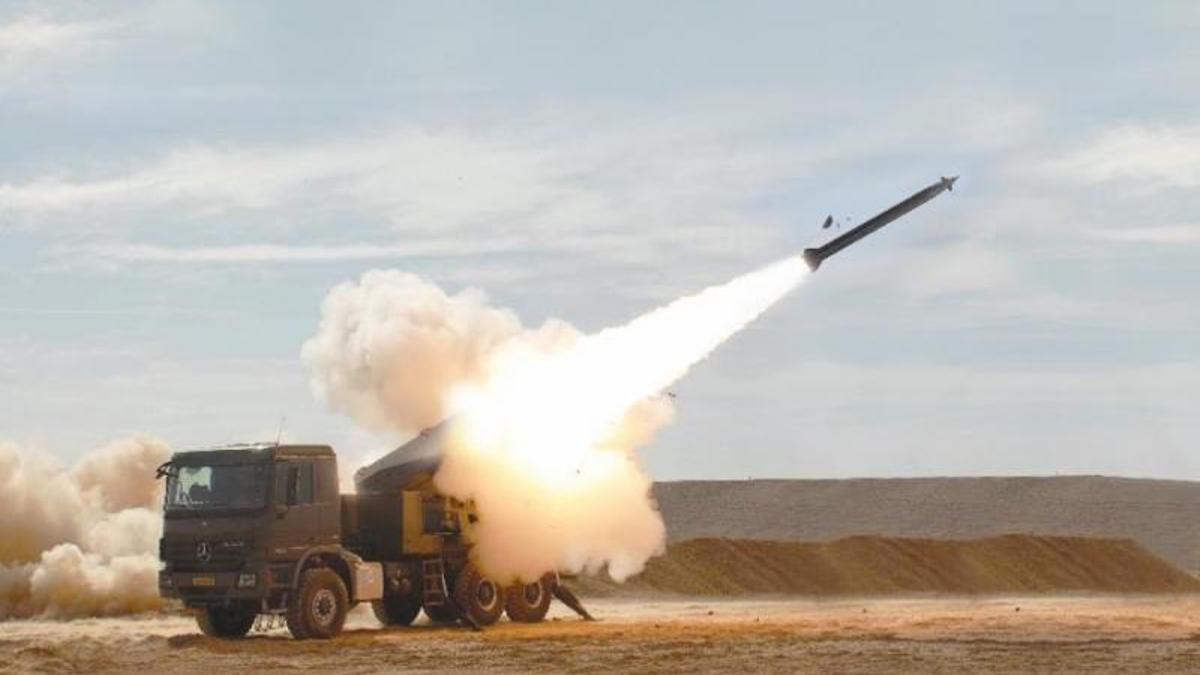
One of the pivotal programs includes the SILAM (High Mobility Launcher System), engineered for targeting objectives situated up to 300 kilometers away. This program, requiring a budget of 714 million euros, aims to address Spain’s long-term deficiency in missile artillery, particularly after the phasing out of two outdated Teruel rocket launcher batteries.
The contract for SILAM is awarded to a consortium comprising Escribano M&E and Expal-Rheinmetall, with the Israeli-made PULS launcher being a crucial component. Spanish defense sources argue that this arrangement does not equate to direct imports from Israel but instead involves contracts crafted by the awarded companies.
Counter-Tank Missile Acquisition
In parallel, Spain is working on replenishing its stock of Spike missiles and their launchers. On November 23, 2023, the Spanish government’s Directorate General of Armament and Material commenced the bidding process for 1,680 Spike LR2 missiles and 178 launchers. The total investment for this acquisition is projected at 287 million euros.
Interestingly, the procurement is facilitated through a firm based in Torrejón de Ardoz, Pap Tecnos, which serves as a subcontractor for the Israeli company Rafael. This strategic relationship creates a layer of complexity, as Spanish officials assert that the principal contractor is solely in charge of the project execution.
Challenges in Dependency on Israeli Technology
Despite the ongoing tensions, both SILAM and Spike missile programs are viewed as crucial components of Spain’s defense strategy. Yet, there are persistent concerns regarding the dependency on Israeli technology. High-ranking military officials have highlighted the associated difficulties of purchasing defense systems and the potential complications arising from Israeli negotiations.
Complications in Negotiations
Negotiating deals with Israeli firms presents unique challenges. The technological transfers promised are often fraught with complications, as explained by Colonel Carlos Calvo González-Regueral during a conference in Madrid. Instances of extraordinarily high-quality equipment from Israeli companies like Elbit have demonstrated the dual-edged nature of dependence on Israeli technology.
Questioning Future Contracts
Uncertainty looms over the future trajectory of both procurement programs despite Israel’s recent assurances. The Spanish defense ministry remains steadfast in maintaining that there are no new acquisitions of weaponry from Israel, emphasizing that both contracts greatly predate the ongoing conflict.
Past Purchases and Future Prospects
Historically, Spain’s purchases from Israel over the past dozen years have not been extensive, totaling around 380 million euros and focusing on technologies vital for national security. The recent military action in Gaza has resulted in the suspension of certain contracts, notably a 2.2 million euro agreement with Israeli Military Industries for a specific artillery programming technology.
With the geopolitical landscape in flux, Spain’s defense strategies will need to navigate these complexities, balancing national security needs against ethical considerations and diplomatic relations.