
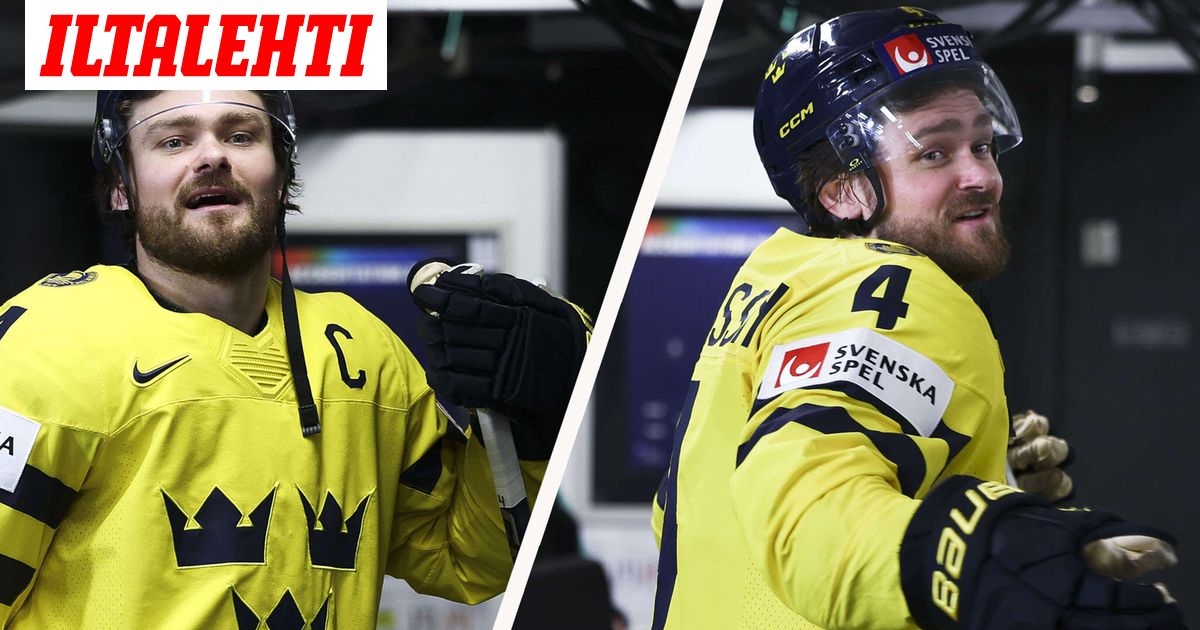
Rasmus Andersson’s Controversial Stand Against Finnish Media
Rasmus Andersson, the captain of the Swedish national ice hockey team, recently stirred conversation with his bold statement after a stunning victory over France. Following the match, Andersson was approached for comments at the Avicii Arena, where he made it abundantly clear that he would not speak to Finnish media. He struggled to contain his defiance and made headlines with his emphatic declaration: “No to Finland,” he asserted, leaving many shocked by his stance.
An Unexpected Outburst
During a post-game interview, when Iltalehti, a Finnish newspaper, sought his perspective, Andersson’s quick dismissal caught everyone off guard. His insistence, “I am serious. No to Finland,” echoed throughout the arena. It not only surprised fans but also raised eyebrows among his teammates who found themselves in a peculiar position, urging their captain to reconsider his refusal to engage.
Andersson continued to stand his ground, loudly proclaiming, “I will not talk to Finnish media,” before storming off towards the locker room. This bold move seemed to signal his strong sentiments regarding the relationship between Swedish and Finnish hockey media, opening discussions about the recurring tensions in international sports.
Sweden’s Recent Victory
Despite Andersson’s refusal to comment, the rest of the Swedish team was more than willing to share their thoughts about the splendid 4-0 victory over France. Goalie Samuel Ersson earned accolades for his impressive performance, achieving a shutout that greatly contributed to the team’s success. The atmosphere in the locker room was celebratory, even if the captain chose not to partake in the media festivities.
In stark contrast to Andersson’s abrupt refusal, several players openly praised their strategy and teamwork during the match. They enthusiastically addressed various aspects of their gameplay, revealing the camaraderie and spirit within the team. This juxtaposition made Andersson’s departure from the media scene even more pronounced, emphasizing his unique position as the team captain.
The Role of Media in Sports
Andersson’s decision to snub Finnish media is reflective of a larger narrative within sports, particularly in the realm of international competitions. It raises important questions about player-media relationships and how they are influenced by national sentiments. Given the historical context of Nordic rivalries, Andersson’s comments may be viewed as a reclaiming of national pride.
Media plays a crucial role in shaping public perception, and players are often aware of the impact they have through their interactions. Andersson’s refusal could signify a more significant statement about his feelings toward Finnish media, reflecting not only personal sentiments but also collective attitudes. It illustrates the sometimes fraught atmosphere surrounding international sports journalism.
Implications for Team Dynamics
Despite Andersson’s controversial stance, it remains essential to consider how such actions affect team dynamics. Captains often serve as the voice of their team, and when one chooses to isolate a segment of the press, it may create an unintended rift. Teammates may feel caught in the middle, torn between their captain’s leadership and the expectations of the media.
Andersson’s actions may prompt discussions within the Swedish hockey community. Will they support his decision, or will they advocate for a more inclusive approach towards media engagement? Balancing national pride with professional obligations is undoubtedly a nuanced endeavor for any athlete, especially at the international level.
Fan Reactions and Online Buzz
The reaction from fans and followers was swift and varied. Social media platforms lit up with commentary regarding Andersson’s bold comments, ranging from support to criticism. Many fans saw his refusal as a proud stance, emphasizing loyalty to Swedish heritage. Others, however, viewed it as unprofessional, undermining the role of media in celebrating sports achievements.
This incident has sparked numerous discussions online, leading to memes, polls, and heated debates, emphasizing how much impact an athlete’s words can have in today’s digital age. Fans today are more likely to express their opinions on platforms that instantly amplify them, showcasing how quickly narratives can develop in the modern sports landscape.
Looking Ahead
As Sweden continues its journey in the competition, it will be interesting to see how Andersson’s decision impacts his relationship with not only Finnish media but also the broader international media landscape. Adapting to the expectations of both the fans and media can be challenging for athletes who embody national pride while also representing their teams on a global stage.
Ultimately, while Rasmus Andersson’s rejection of Finnish media may have garnered headlines and social media buzz, it also opens the door for deeper conversations about the complexities of international sports and the responsibilities that come with being a public figure. Fans and media alike will be watching closely to see how this story unfolds as the season progresses.