
Update on the Situation, Sunday, May 18, at 9 p.m.
Recent developments continue to shape the geopolitical landscape as tensions rise between Ukraine and Russia. In a notable meeting, **US Vice President JD Vance** received **Volodymyr Zelensky** in Rome. Discussions primarily revolved around the **current situation on the front lines**, preparations for a significant **exchange** set for Monday, and the potential for **sanctions against Russia** if results remain unsatisfactory. Both leaders emphasized the urgency of a **ceasefire**, reflecting the ongoing crisis and its broader implications.
Pope Léon XIV also welcomed President Zelensky during this critical juncture. The new pope expressed, **“Ukraine finally awaits negotiations for just and lasting peace,”** stressing the need for dialogue to resolve ongoing conflicts. His remarks, made after a mass marking the beginning of his pontificate, underline the church’s commitment to championing peace and reconciliation amidst widespread violence.
Meanwhile, Russian President Vladimir Putin reiterated his determination to address the conflict’s underlying causes. This assertion came just two days after the first negotiations with Kyiv since 2022—a meeting that ultimately did not lead to a ceasefire agreement. Putin’s commitment to “eliminate” the roots of the conflict shows a growing urgency on his part, possibly indicating heightened pressures both domestically and internationally.
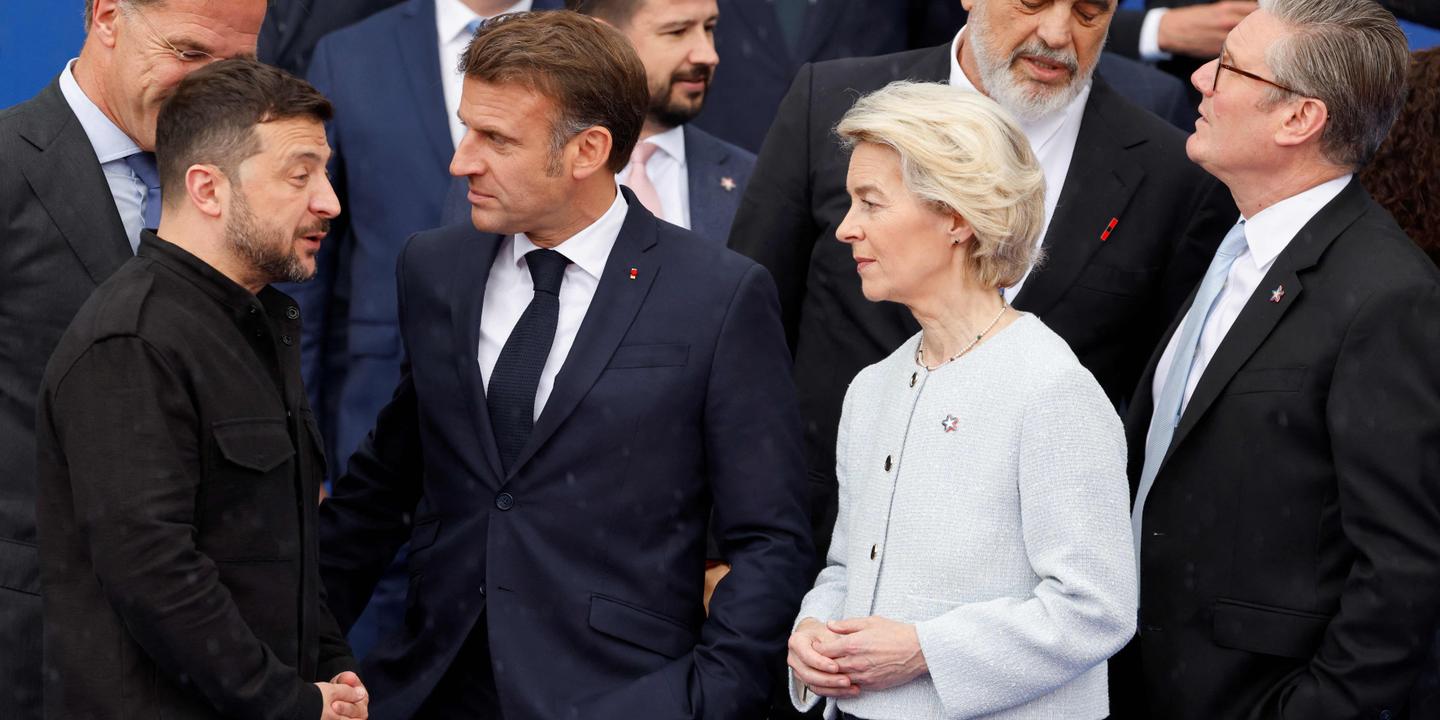
In a collaborative effort to tackle the situation, German Chancellor Friedrich Merz announced his intention to engage in discussions with Keir Starmer and Emmanuel Macron. Together, they aim to converse with **Donald Trump** before Trump’s anticipated interview with Vladimir Putin. This strategy aims to **prepare** for the upcoming dialogue, which is crucial, given the tense backdrop of the ongoing conflict.
On the battlefield, developments are equally intense. The Ukrainian Air Force reported on Sunday morning **273 Russian attacks** conducted since Saturday afternoon. These assaults utilized **Shahed-type drones** and **“imitative drones”** meant to mislead and weaken Ukrainian defenses. Notably, Ukrainian forces claim to have successfully shot down **88 of these drones**. In contrast, the **Russian Defense Ministry** asserts that it has destroyed **25 Ukrainian drones** encroaching upon its territory. This exchange of aerial firepower highlights the escalating conflict’s dangers, raising concerns about civilian safety and national security.
The need for continuous dialogue and diplomatic effort remains paramount. As leaders from various nations engage in discussions, the international community watches closely. The stakes are high, with significant implications for regional stability and global security. The ongoing exchanges between Ukraine and Russia, along with involvement from key global players, signal a complex path ahead. Efforts toward a ceasefire and negotiations for lasting peace are essential but challenging, given the deeply rooted animosities and conflicting interests at play.
The humanitarian crisis resulting from the conflict has reached alarming levels. Civilians continue to bear the brunt of the violence, with many displaced and in desperate need of assistance.
Organizations are mobilizing to provide humanitarian aid, but access remains restricted in many areas due to ongoing hostilities. As international attention shifts focus, it is crucial that humanitarian efforts not only continue but are also met with unfettered access to those in need.
In conclusion, the situation remains fluid as new developments unfold. With multiple stakeholders involved and interests at stake, the possibility for resolution rests on effective communication and collaboration across borders. Continuous monitoring and engagement from the global community will be vital in navigating these tumultuous times. As negotiations progress and fresh dialogues emerge, the hope for a peaceful resolution remains alive, but the path remains fraught with challenges.