
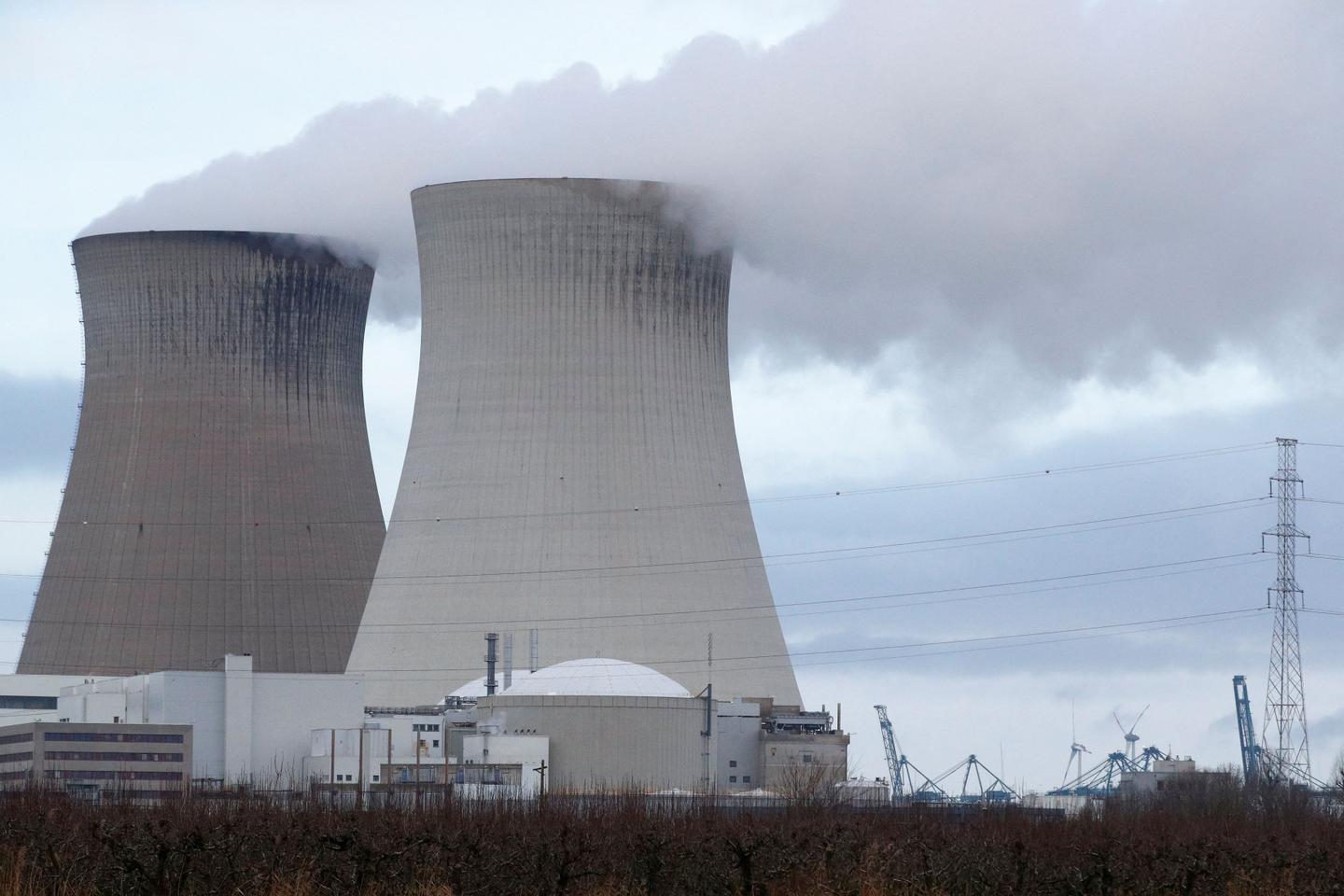
The Shift in Belgium’s Nuclear Energy Policy
Belgium recently took a significant step concerning its **nuclear energy policy**. On March 14, a vote in the **Federal Parliament** repealed a landmark law from 2003 that initially mandated a departure from nuclear power by 2025. This shift aligns with the commitments made by the government led by **Bart de Wever**, marking a crucial change in the country’s energy strategy.
Details of the Legislative Change
The new legislation effectively nullifies any previous references to a nuclear exit within the next few years. It removes the restrictions preventing Belgium from developing new nuclear production facilities. The implications of this decision are extensive, as it paves the way for extending the operational lifespan of existing reactors, beyond the previously extended two that are now set to operate until **2035**. This extension follows an agreement reached in **2023** between the Belgian State and the French group **Engie**, which operates the nuclear facilities.
The Voting Outcome
The bill titled **”Various provisions for nuclear energy”** received overwhelming support, with **102 votes** in favor, **8 against**, and **31 abstentions**. **Mathieu Bihet**, Belgium’s Minister of Energy, expressed optimism about this decision, stating that the Federal Parliament had moved decisively away from two decades of uncertainty and hesitation. His remarks suggested that the new legislative framework could foster a more **realistic** and **resilient energy model** for the nation.
Impact on Energy Independence
In his statements, Minister Bihet emphasized how the adoption of this bill could help **relaunch an innovative sector**. The Minister believes that this will further fortify Belgium’s **energy independence** and also contribute to the nation’s **decarbonation efforts**. The focus on nuclear energy is positioned as a significant pillar in future energy strategies, especially amid growing concerns over climate change and energy security.
The Global Context of Nuclear Energy
This legislative change comes at a time when global energy dynamics are rapidly evolving. With rising energy demands and ongoing conversations about climate change, many countries are re-evaluating their stance on **nuclear energy**. Nations that once sought to phase out nuclear power are now reconsidering, recognizing its potential to provide a stable, low-carbon energy source.
Belgium’s decision may inspire similar actions elsewhere, especially in Europe, where energy security is becoming an increasingly pressing concern. Countries looking to **decarbonize their energy supply** while simultaneously ensuring that energy needs are met efficiently might find Belgium’s move particularly relevant. As debates on the **future of energy** continue, countries may gravitate towards models that include a mix of renewables and nuclear energy to achieve **sustainable goals**.
Future Prospects
Looking ahead, the extended lifespan of the current nuclear reactors could allow Belgium to maintain a stable energy supply while diversifying its energy sources further. Continued investment in **nuclear technology** and infrastructure modernization will be critical. As the global landscape shifts towards cleaner energy solutions, Belgium’s strategic choices could serve as a blueprint for other nations that aim to balance energy demands with environmental responsibilities.