
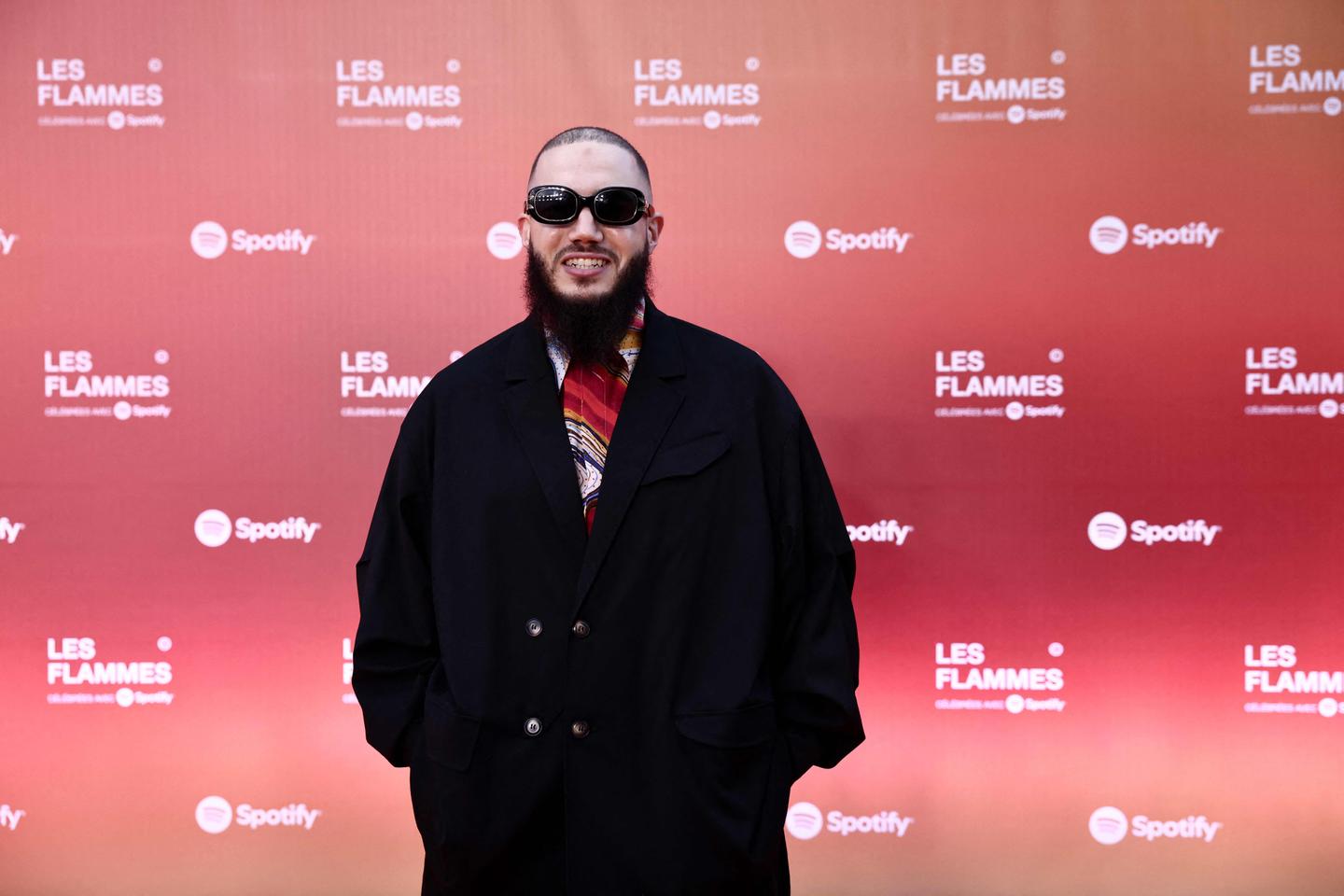
The Controversy Surrounding Merwane Benlazar’s Performance
On May 13, 2025, at the **”Flames”** awards ceremony held at the Seine Musicale in Boulogne-Billancourt, the humorist Merwane Benlazar’s performance raised significant eyebrows. His sketch drew attention not just for its comedic value but also for the **controversial remarks** about popular television host Cyril Hanouna. The incident sparked discussions on whether **humorists** can still critique prominent figures in media without facing repercussions.
Context of the Event
The **third edition** of the “Flames,” a ceremony designed to honor emerging talents in rap and its variants, was broadcast live on YouTube before being aired on W9, a channel part of the M6 group. The event, organized by Booska-P and the Yard communication agency, aimed to celebrate young artists. However, it was Benlazar’s performance, notably his comments on Hanouna, that stole the spotlight.
The Sketch That Sparked Debate
Merwane Benlazar, who garnered attention for his comedic style, approached the stage with a mix of seriousness and levity. He began his act by admitting, “**I’m not going to lie to you more than that, in real life, I’m stressed.**” This candid admission set a tone that resonated with many in the audience.
In his act, Benlazar mentioned, **“Anyway, racists do not watch ‘the flames’; they no longer watch TV, there is no longer Hanouna.”** This statement, which aimed to critique Hanouna’s audience, led many to question if humor has become a **double-edged sword** in the current media landscape. Will humorists face backlash for their jokes?
Perceived Censorship?
Following the broadcast, some viewers noted a **missing minute** from Benlazar’s performance during the televised version of the event. This led to speculation about potential **censorship**. As media pundits analyzed the situation, the question loomed: was there an **attempt to silence** humor that challenges figures like Hanouna?
Critics of M6 and the program raised concerns regarding the **freedom of expression** for comedians. If humorists are discouraged from poking fun at influential figures due to repercussions, the implications for entertainment and media could be **profound**.
The Impact of Previous Controversies
Benlazar’s recent history added an extra layer to the narrative. Just four months prior, he was accused of promoting **Salafist ideologies** after appearing on the show “C to you” on France 5. As his career navigates **sensitive waters**, it’s clear that the social climate surrounding humor has shifted significantly.
The comedian’s ability to engage with reality remains crucial, particularly in a world struggling with **political correctness** and varying perceptions of acceptable humor. Benlazar’s attempt to address serious themes through laughter reflects a broader trend among contemporary comedians who strive to illuminate societal issues while keeping audiences entertained.
The Artists Recognized at the Flames
While Benlazar’s antics took the spotlight, the ceremony celebrated various artists, with Shaï and Tiakola earning **artist of the year** titles. These recognitions point to a vibrant and evolving music scene where new talents continue to emerge. The mix of genres and styles showcased at the event underscores the **diversity** of contemporary entertainment.
Public and Media Reactions
Media outlets were quick to pick up on the incident, analyzing Benlazar’s performance in real-time. Some applauded him for his boldness, while others were critical of what they deemed a lack of **self-regulation**. The subsequent discussions prompt a richer debate about the role of comedians in society.
As audiences react, the line between **laughing with** and **laughing at** becomes increasingly blurred. Humor has long been a tool for critiquing societal norms and figures, but in an age of **instantaneous communication**, the backlash can be immediate and intense.
The Future of Comedy in France
The events surrounding Merwane Benlazar are reflective of the broader challenges faced by comedians today. Will they continue to **push boundaries**, or will fear of backlash stifle creativity? Future performances will undoubtedly be scrutinized for their content and implications.
As the French public and media navigate these issues, it’s clear that the **landscape of comedy** continues to evolve. The role of humorists as commentary on cultural norms remains vital, but it comes with a mix of **responsibility** and **risk**.
The question remains open: Can humor stand resilient in an ever-changing society, or will it be confined to safe topics, avoiding the razor’s edge of political critique?