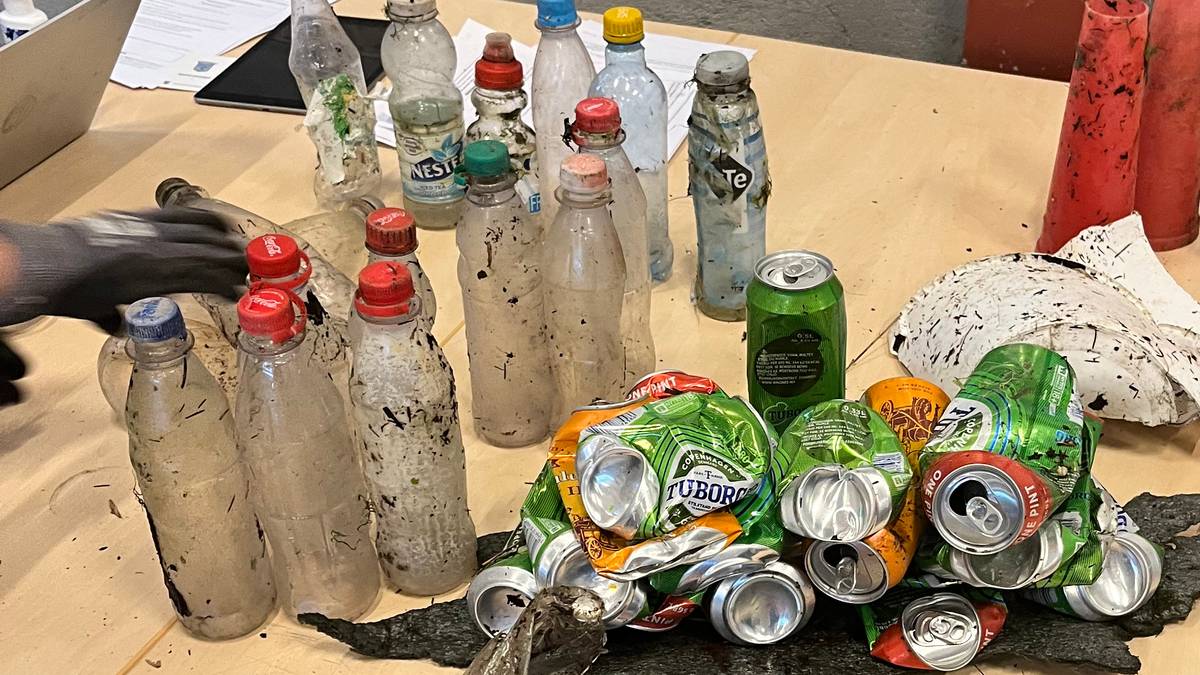
The case summarized • The Coca-Cola Company, several times named the world’s worst producer of plastic pollution, has adjusted its goals for recycled plastic down.• The company’s original goal was that half of the bottles should be made from recycled material by 2030, but the new goal is 35 -40 per cent by 2035.• The Coca-Cola Company has received criticism for these changes, including from the environmental organization Oceana and the movement Break Free From Plastic.• In Norway, 95 percent of Coca-Cola-produced bottles are made from plastic that has already been recycled, and Coca-Cola in Norway has since 2021 used 100 percent recycled plastic in all bottles, except for the cap and label. The summary is made by an AI service from OpenAI. The content is quality assured by news’s journalists before publication. Every year, 19-23 million tonnes of plastic waste end up in our oceans, rivers and lakes, the UN estimates. The Coca-Cola Company has been criticized for years for being one of the world’s largest producers of plastic pollution. In 2023, the company was named the world’s worst polluter of branded plastic for the sixth time, by the Break Free From Plastic movement. That the company is changing its “voluntary environmental targets” came to light the day after UN negotiations in Busan on a global plastic agreement broke down on 1 December. Worsening of plastic pollution In 2023, the Coca-Cola Company produced around 730 billion units. This includes all beverages the company produces. In addition to Coca-Cola, the company also makes Fanta, Sprite, Urge and Bonaqua. American and Australian researchers published an article this spring that estimates that around 10 percent of the labeled plastic in the ocean comes from the Coca-Cola Company. It is the movement Break Free From Plastic that is behind the selection of the worst plastic polluters. The movement works for a future without plastic pollution, and consists of 16,000 organizations and individuals. These were named the five worst plastic polluters in 2023 Coca-Cola Company Nestlé Unilever PepsiCo Mondelēz International Source: Break Free From Plastic Last year, volunteers in 41 countries collected over half a million pieces of plastic waste in connection with the naming of the worst plastic polluters in the world . In Norway, plastic bottles are among the top three most common finds in the clean-up campaigns of the organization Keep Norway Clean along rivers and lakes. Last year, plastic bottles were the second most common find of general litter registered by volunteers, according to Hold Norge Clean’s clean-up report for 2023. Some of the bottles and cans Hold Norge Clean collected at Nitelva last year. Photo: Hold Norway Clean Lowers targets for recycled plastic The Coca-Cola Company’s original target was that 50 per cent of the company’s bottles should be made from recycled material by 2030. The new target is to use 35-40 per cent recycled material in the primary packaging, including to increase the use of recycled plastic to 30-35 percent globally by 2035. Coca-Cola is also changing its recycling target. In 2018, the company announced that it had plans to recycle 100 percent of its bottles and cans by 2030. In the new target, the company would rather “ensure the collection” of 70-75 percent of the bottles and cans that it puts on the market each year, by 2035. Garbage recyclers strike empty Coca-Cola plastic bottles in front of Coca-Cola’s offices in Buenos Aires demanding a recycling law in 2022. Photo: Juan Mabromata / AFP – The share of recyclable material is over 95 percent globally, and we work with the rest and are very close. Communications director of Coca-Cola Company Norway Inger Marie F. Ingdahl tells news in an e-mail. In other words, 95 percent of the bottles produced by Coca-Cola in the world today are made of plastic that has already been recycled, and that can be recycled again. With the new targets, there is only a requirement that 50 per cent of the bottles produced must be made from recycled material. When asked what Coca-Cola Company Norway thinks about the new goals, they refer to the company’s global press release. According to Ingdahl, since 2021, Coca-Cola in Norway has used 100 percent recycled plastic in all bottles, except for the cork and label. A bottle cleaner holds up a Coke cap during a clean-up campaign in Oslo in 2022. Photo: Keep Norway Clean – Disappointing and a pity In a press release, the Coca-Cola Company writes that they will improve the recycling systems in the new targets. They also focus on innovation and work closely with local authorities. – This is part of Coca-Cola’s wider mission to improve the security of water supply and reduce emissions, the company writes in its climate goals. Runar Bålsrud in Sirk is disappointed that the Coca-Cola Company is adjusting its targets for plastic pollution downwards. Photo: Sirk Norge CEO of Sirk Norge, Runar Bålsrud, thinks it’s a shame that the Coca-Cola Company is going back on its goals for recycled material. – Coca-Cola could have been a strong contributor here if they had kept the target that 50 per cent of their bottles should be made from recycled plastic. It is disappointing and a shame that Coca-Cola is now scaling back these ambitions, says Bålsrud to news. – It is important that as much as possible is recycled, so that we reduce the need to extract more virgin materials and thus reduce climate emissions and new interventions in nature. Everyone must take responsibility here, and especially the manufacturers who put goods on the market. That’s what Stine Helgeland, general manager of the Loop Foundation for waste sorting and recycling, says. Stine Helgeland in Loop says that more than 92 per cent of all bottles and cans that are deposited are recycled. Photo: Thomas Brun At the same time that she thinks it’s a shame that Coca-Cola globally adjusts its recycling targets downwards, Helgeland points out that Norway has good systems and laws for recycling. They also apply to the Coca-Cola Company. – Over 92 per cent of all beverage packaging with a pledge mark is pledged in Norway. This amounts to 1.7 billion bottles and cans. Everything that is pawned is recycled into new bottles and cans, she says. Critical environmental organizations Critics believe that the Coca-Cola Company still focuses on single-use plastics instead of investing in reusable solutions. The changes in the targets for recycling have, among other things, received strong criticism from the environmental organization Oceana, the largest international organization that works for the conservation of the oceans. They criticize Coca-Cola for “short-sighted, irresponsible” changes. “The new and weak recycling pledges will make no difference to the company’s total plastic use,” Matt Littlejohn, vice president of strategic initiatives at Oceana, said in a statement. The movement Break Free From Plastic calls the new targets a prime example of greenwashing, and believes the targets contribute to more plastic pollution. Published 13.12.2024, at 17.37
ttn-69