
Rise of Chikungunya and Dengue Cases in Auvergne-Rhône-Alpes
In 2024, the emergence of arboviral diseases like chikungunya and dengue has sparked renewed concern in the Auvergne-Rhône-Alpes region. Recent reports indicate a staggering increase in chikungunya cases, highlighting the need for community awareness and preventive measures.
Current Situation in the Region
As of late May 2024, authorities have recorded 63 cases of chikungunya and 47 cases of dengue in the Auvergne-Rhône-Alpes region, according to Santé publique France. This is a significant rise compared to previous years, with only four cases reported throughout the entirety of 2024. This increasing trend reflects an epidemiological crisis primarily linked to an ongoing outbreak in Réunion Island, making vigilance essential.
Breakdown of Cases
Most cases have been reported in departments like Rhône (20 cases) and Isère (18 cases). The drastic rise in chikungunya cases has raised alarms among health authorities who are closely monitoring the situation. The recent spike in cases is not just a statistical anomaly but is indicative of a larger public health challenge that requires robust intervention strategies.
Preventive Actions and Community Guidance
Given the situation, public health officials are advocating for heightened prevention measures. It is crucial for residents in affected areas to understand how to mitigate the risks associated with these diseases. Measures include:
- Avoiding Outdoor Activities: People diagnosed with chikungunya should remain indoors for several days to prevent further transmission.
- Mosquito Control Initiatives: Authorities are actively conducting mosquito eradication campaigns within a 150-meter radius of reported cases. This is vital in breaking the cycle of transmission, as the tiger mosquito can travel within this distance.
Mandatory Reporting of Cases
It is also imperative to note that diseases such as chikungunya and dengue require mandatory reporting to health authorities. This is essential for tracking and controlling potential outbreaks. In the past year, there were two indigenous cases recorded, managed without significant transmission, further emphasizing the necessity for vigilant disease monitoring.
The Importance of Awareness
Understanding Mosquito-Borne Diseases
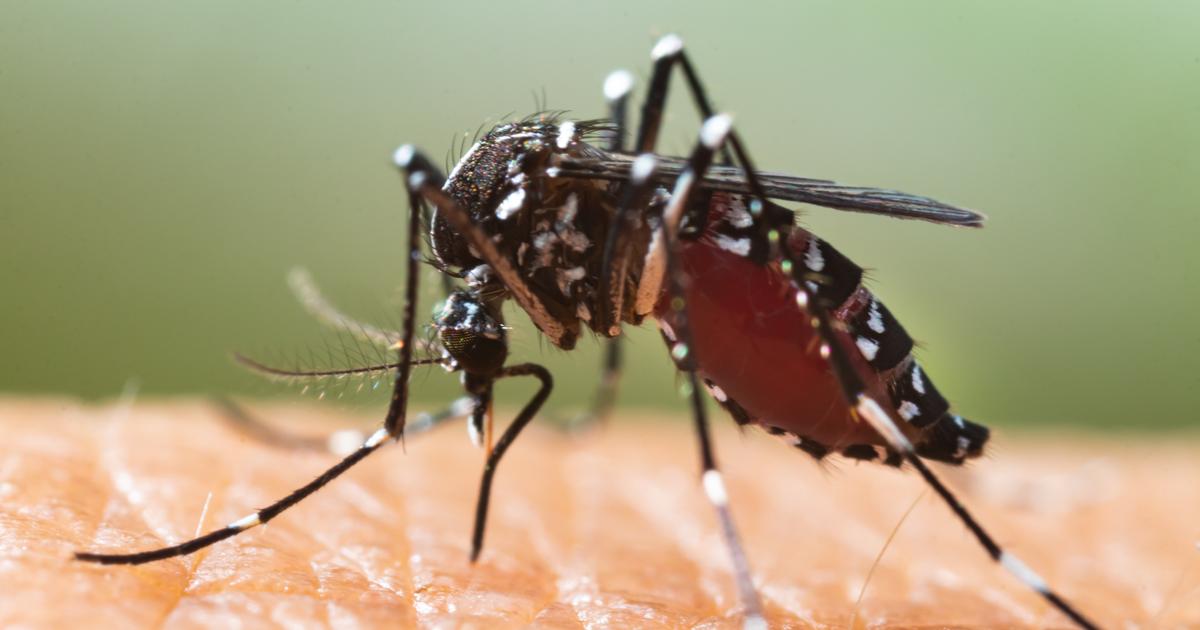
Chikungunya, dengue, and Zika virus are all transmitted by the tiger mosquito (Aedes albopictus), which is now present throughout France. As the mosquito population grows, so does the potential for disease transmission. Understanding the symptoms, which often include fever, severe joint pain, and rash, is vital for timely intervention.
Community Efforts to Combat Mosquito Presence
To curb the spread of these diseases, public health officials recommend community-wide efforts to eliminate potential mosquito breeding sites. Stagnant water bodies, which serve as breeding grounds, should be addressed. Recommendations include:
- Regularly cleaning gutters and drainage systems.
- Covering water containers.
- Disposing of any unnecessary items that can collect water, e.g., old tires or buckets left outdoors.
Key Points in Disease Management
The emergence of chikungunya in 2024 should serve as a wake-up call for residents in Auvergne-Rhône-Alpes and beyond. Authorities have taken steps to combat the current outbreak, but community participation is crucial. Personal and collective responsibility can significantly minimize risks associated with these diseases.
- Public Engagement: Awareness campaigns in schools, community centers, and online can educate the public about preventive measures.
- Regular Updates: Following health updates from reputable sources can keep communities informed and prepared.
The Bigger Picture
As the climate continues to change and urban areas expand, the tiger mosquito is likely to thrive, making it increasingly important for the community and health authorities to collaborate on control measures. Investment in education, surveillance, and rapid response strategies will be critical in preventing future outbreaks.
As of now, chikungunya continues to pose a significant threat, but with vigilant efforts, the situation can be managed effectively.
Alors que seuls quatre cas de chikungunya avaient été dénombrés sur l’ensemble de l’année 2024 en région Auvergne-Rhône-Alpes, les autorités en ont déjà recensé 63 en cette fin de mois de mai en lien avec l’épidémie qui sévit à la Réunion.