
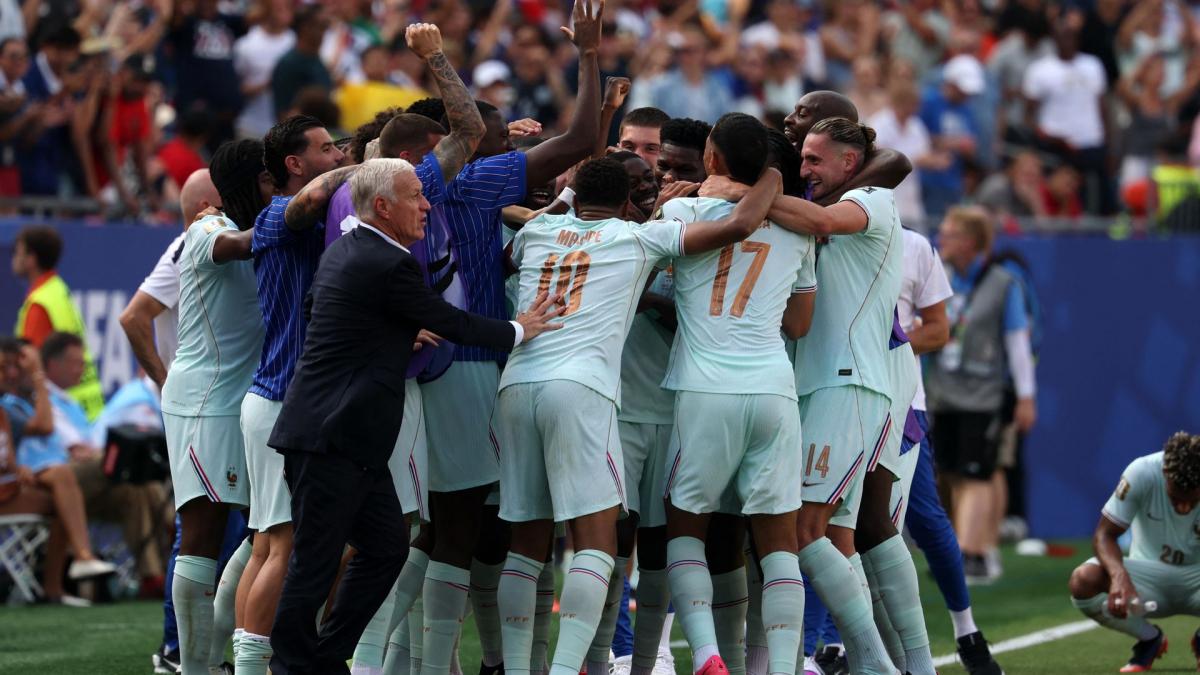
The Controversy: Rajoy’s Remarks
The fallout from former Spanish Prime Minister Mariano Rajoy’s controversial remarks about the French national football team continues to reverberate. Rajoy had previously described the team as a “team without French,” a comment that ignited widespread indignation both in France and within Spain. His statement was widely perceived as xenophobic, prompting current Prime Minister Pedro Sánchez to publicly condemn it.
Sánchez’s Public Apology
In a demonstration of his commitment to international diplomacy and respect, Prime Minister Sánchez extended a heartfelt apology during the July 14 parade in Paris. Welcomed by French officials, including Prime Minister Sébastien Lecornu and Brigitte Macron, Sánchez expressed his shame over Rajoy’s words, stating, “I’m so ashamed.” This act of contrition was significant not only for fostering goodwill between the two nations but also for addressing the backlash that Rajoy’s comments triggered.
Social Media Response
The controversy reached a wider audience on social media, where Sánchez’s apology was both noted and criticized. The reactions provide a glimpse into the polarized public sentiment surrounding the incident. While many praised Sánchez for his sincerity and effort to mend diplomatic ties, others questioned the necessity of the apology, implying that the government should focus on pressing national matters instead.
“May the best win and racism lose,” Sánchez tweeted shortly after the incident, emphasizing his stance against discrimination as the semi-final of the 2026 World Cup approaches.
Impact on the Football World
The timing of these apologies is particularly noteworthy, occurring just hours before the semi-final match between France and Spain in the 2026 World Cup. As both teams prepare to clash, the heightened emotions surrounding Rajoy’s comments could add an extra layer of tension to an already competitive atmosphere.
The Role of Sports in Diplomacy
This situation underscores the potential for sports, particularly international competitions such as the World Cup, to act as a platform for diplomatic dialogue. The ability of football to unite or divide nations is profound, as demonstrated by the current situation. In an age where sports events often reflect societal issues, the role of leaders in framing the narrative cannot be underestimated.
Conclusion
As the 2026 World Cup semi-final between France and Spain approaches, the ramifications of Rajoy’s comments and Sánchez’s subsequent apologies serve as a reminder of the intricate relationship between sports, politics, and national identity. Whether this will impact the match itself remains to be seen, but the events leading up to it certainly add an intriguing layer to the narrative surrounding the tournament. With both countries eager to prove their mettle on the field, it’s clear that the importance of respect and understanding will be as vital as skill and strategy in this high-stakes confrontation.