
## Argentina’s Controversial Reaction After World Cup Loss
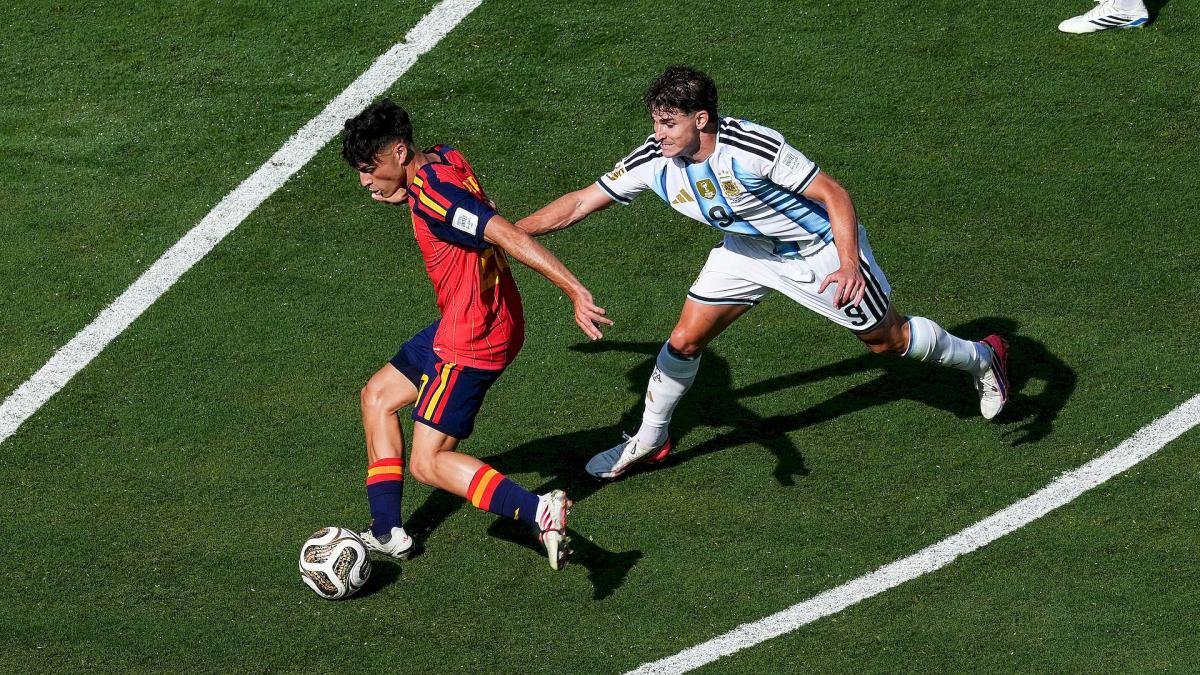
The 2026 World Cup final saw Argentina, the defending champions, face off against Spain, ultimately succumbing to a 1-0 defeat after extra time. However, rather than simply leaving the field in disappointment, the Argentine team’s reaction has ignited a firestorm of controversy, drawing criticism from fans and players alike.
### Tensions on the Pitch
In the aftermath of the match, several intense moments unfolded on the field. Key Argentine players, including Leandro Paredes, Nahuel Molina, and Nicolas Otamendi, were involved in confrontations that escalated, resulting in Paredes receiving a red card for his misconduct. Such displays of aggression left many observers questioning the emotional maturity of the players, highlighting a game marred by violent undertones rather than sportsmanship.
### A Disrespectful Gesture
The controversy intensified further during the trophy presentation. While the Spanish players honored the Albiceleste with a guard of honor, Argentina’s entire squad turned their backs on the podium, opting instead to face their own supporters. This perceived snub drew sharp rebuke from Spanish media, which labeled the act an “image of shame.” Such behavior, particularly from former champions, tarnishes the spirit of sportsmanship that the World Cup ideally represents.
### Silence from the Argentine Camp
In a further display of discontent, Argentina’s players chose to avoid the press after the match, refusing to engage with media representatives. Only team captain Lionel Messi and coach Lionel Scaloni made brief appearances, quickly departing the press room amidst emotional turmoil. Scaloni expressed his sorrow, stating, “It’s very painful, I’m really sorry,” underscoring the depth of their disappointment but failing to address the broader issues at hand.
### Criticism from Opponents
Following the disturbing scenes, Spanish midfielder Dani Olmo spoke out, emphasizing the importance of the values athletes represent. He stated, “It doesn’t matter to us in the end, but the values we transmit are important. We are examples for several generations.” Olmo noted that the Argentine players’ aggressive play transformed the match into what felt more like a battlefield than a sporting event. Such comments reflect a growing frustration among opponents who expect a certain level of decorum from elite athletes.
### Conclusion: A Moment of Reflection
As Argentina reflects on their tumultuous final, they face the challenge of addressing their conduct—both on and off the pitch. Their actions not only overshadowed their previous triumphs but also risked damaging the legacy of a nation long celebrated for its footballing prowess. The call for accountability and respect in the world of sports could not be more timely, as the fallout from this loss continues to resonate in both Argentina and beyond. The 2026 World Cup may very well serve as a lesson in humility and sportsmanship for future generations.