
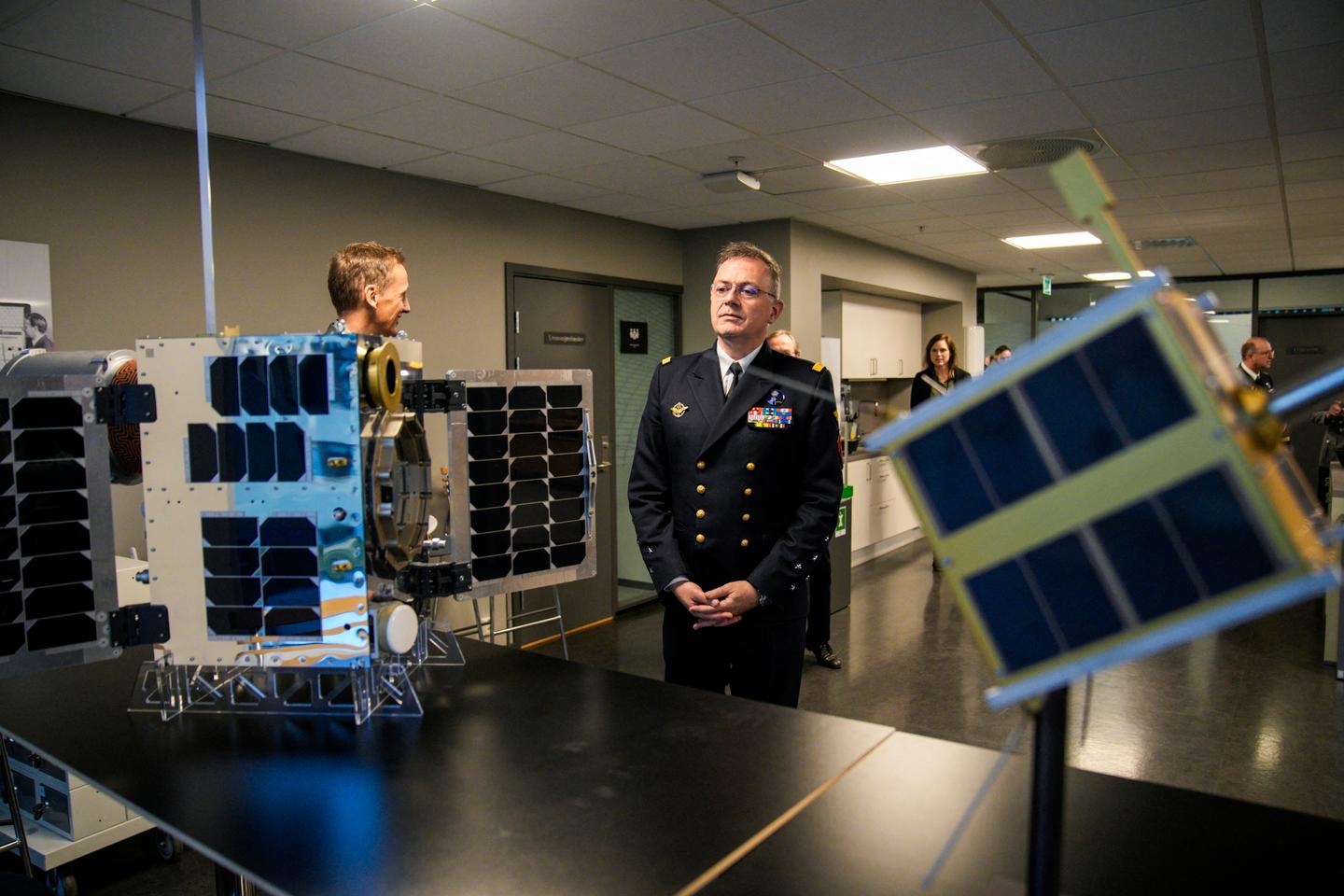
Admiral Pierre Vandier: A Strategic Leader in NATO

Admiral Pierre Vandier, **since September 2024**, has been at the helm of the **Supreme Allied Command for Transformation (SACT)**, one of NATO’s prominent strategic bodies. Located at the **naval base of Norfolk, Virginia**, this command operates in proximity to the **Pentagon**, effectively positioning Admiral Vandier as the highest-ranking French officer within the Atlantic Alliance. His previous notable role was as the **Chief of Staff** of the French Navy from **2020 to 2023**.
NATO’s Spending Challenges in a Changing Geopolitical Landscape
The Allies’ Strategic Budget Discussions
The **current geopolitical landscape** is forcing NATO allies to reevaluate their defense spending strategies, especially in the wake of the **Trump administration’s** call for member countries to allocate **5% of their GDP** towards defense budgets. The pressing question remains: how can nations achieve this ambitious target amidst existing **budgetary constraints**?
In the aftermath of Donald Trump’s election, NATO Secretary-General **Mark Rutte** urged an acceleration in the assessment and programming of the **Alliance’s military expenditure**. Dubbed the **NATO Defense Planning Process (NDPP)**, this evaluation occurs every four years, providing a framework for nations to set their defense priorities. Initially slated for completion in **October**, the timeline was expedited to ensure readiness before the annual NATO summit, aimed for late June in **The Hague**. The synchronicity of these endeavors is vital for maintaining operational efficiency.
Framework for Involvement and Rationalizing Targets
These structured plans dictate the **defense needs** of member states; however, they also grant nations the **latitude** to optimize their contributions based on regional needs and financial capabilities. This strategic balance is essential for achieving the overall objectives laid out by NATO leadership while accommodating each country’s unique circumstances.
Implications for Global Security
As Admiral Vandier leads discussions on these critical topics, the implications extend beyond NATO. Decisions made in this sphere can significantly affect global security dynamics. If member nations can align their defense budgets to meet the suggested GDP targets, it could enhance NATO’s readiness and ability to respond to emerging threats.
Moreover, the emphasis on solidifying collective defense infrastructures becomes crucial in a world characterized by rapid technological advancements and shifting military tactics. Embracing new technologies and innovative strategies is vital for sustaining a dominant position and countering potential adversaries.
Future Directions for NATO’s Strategy
Moving forward, Admiral Vandier’s leadership will likely focus on not only budgetary compliance but also on fostering **collaboration** among member states. Addressing questions related to military interoperability and shared operational capabilities will define NATO’s strategic direction in the coming years. Such focus will ensure that the Alliance remains agile and responsive to both **traditional** and **asymmetrical threats**.
Ultimately, the future of NATO’s strategic framework under Admiral Vandier’s guidance will hinge upon the Alliance’s ability to enhance not just individual nation capabilities, but collective preparedness to meet the evolving security challenges that characterize today’s geopolitical climate.