
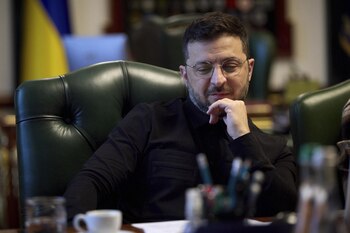
Zelensky Evaluates Trump’s Peace Proposal with European Leaders
The recent dialogues between Ukrainian President Volodymyr Zelensky and NATO Secretary General Mark Rutte highlight a significant moment in the ongoing conflict. The focus is the American peace proposal promoted by former President Donald Trump, which offers security guarantees for Ukraine in exchange for acknowledging Russian control over parts of eastern Ukraine, including Crimea, Donetsk, and Lugansk.
Exploring the Implications of the U.S. Proposal
Zelensky shared that he is evaluating this proposal with various European leaders, emphasizing the need for a “real and dignified peace” for Ukraine. The U.S. initiative introduces a new strain on negotiations, as it requires Ukraine to concede territory, conflicting with the European Union’s goal to safeguard both Ukrainian and European interests.
This proposal is not merely a checklist; it is a complex agreement that affects Ukraine’s sovereignty and the geopolitical fabric of Europe. Zelensky’s discussions with the German Chancellor Friedrich Merz, French President Emmanuel Macron, British Prime Minister Keir Starmer, and EU leaders, including Ursula von der Leyen and António Costa, reveal a unified stance towards a sustainable peace.
European Support and Reluctance
During these meetings, the consensus among European leaders is notably supportive of Ukraine. Chancellor Merz stated, “Ukraine has our full and unwavering support for a just and lasting peace,” underscoring a commitment to finding solutions that do not compromise Ukrainian sovereignty. However, there is hesitance about the specifics of the U.S. proposal, especially concerning territorial concessions.
British Prime Minister Keir Starmer articulated that negotiations should start from the current “line of contact,” which denotes the existing battlefront. The implication is clear: there should be no demands for further territorial losses before peace talks can proceed.
The Role of Ukraine in Negotiations
Zelensky emphasized the importance of Ukraine being an active participant in the negotiation process. He asserted that Ukrainian control over its destiny is crucial in any diplomatic discussions aimed at halting the conflict. European leaders have reiterated this point, arguing that any dialogue must prioritize Ukrainian needs and sovereignty.
Both Ursula von der Leyen and António Costa conveyed the sentiment that “one should not talk about Ukraine without talking about Ukraine,” reinforcing the need for Ukrainian representation at all stages of the discussions. This reflects an understanding that durable peace can only emerge through inclusivity and respect for Ukraine’s position.
Future Meetings and Collective Efforts
Coordination among European leaders is intensifying, with meetings planned during the upcoming G20 summit in Johannesburg and a subsequent engagement between the European Union and African Union in Angola. These venues will serve as critical platforms for further analyzing the U.S. proposal and its implications for Ukraine’s future.
The international community’s approach must balance the interests of Ukraine, Western allies, and the broader geopolitical landscape shaped by Russia’s actions. Diplomatic initiatives will continue to seek a resolution while minimizing the risks associated with territorial compromises.
Conclusion: Striving for a Just Peace
Zelensky’s response to the U.S. proposal hinges on a commitment to a diplomatic path that reflects Ukraine’s rightful position in the face of foreign aggression. The dates for decision-making loom, as Trump’s deadline adds pressure, but the Ukrainian leadership remains steadfast in ensuring their sovereignty is not sacrificed.
As Europe continues to rally behind Ukraine, the shared objective remains clear: to secure a just and lasting peace that not only ends hostilities but also reinforces the integrity and sovereignty of the Ukrainian state. The intricate dynamics of these ongoing discussions reflect the delicate balance of power and responsibility in international diplomacy today.