
Zelensky’s New Peace Delegation: Key Changes and Implications
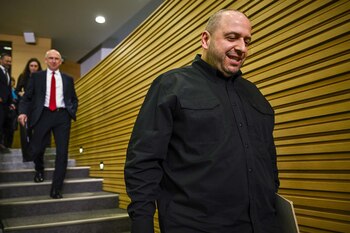
Rustem Umerov, the chairman of Ukraine’s National Security and Defense Council, has unveiled the composition and objectives of a revamped Ukrainian negotiating team ahead of crucial discussions with U.S. representatives, including Jared Kushner and Steve Witkoff, set to take place in Florida. This restructuring has come in the wake of the resignation of Andri Yermak, whose departure was tied to a corruption scandal. The decision to reformulate the delegation aligns with increasing pressure from both the U.S. government and the European Union to achieve tangible outcomes before the Thanksgiving period.
Composition of the New Negotiation Team
The new team consists of a blend of experienced officials, set to enhance Ukraine’s representation and coherence on the international stage. Alexander Bevz has been appointed as the main advisor, joining Umerov, along with other key figures such as:
- Kirill Budanov: Director of military intelligence
- Vadim Skibitsky: Deputy Director of the Ministry of Defense
- Andriy Hnatov: Head of the General Staff of the Armed Forces
- Oleg Ivashchenko: Head of the Foreign Intelligence Service
This lineup aims to foster political-military synergy and prepare for robust negotiations that emphasize both domestic and international expectations.
Focus of the Negotiations
The Ukrainian delegation’s discussions with the U.S. will primarily revolve around security pacts. Reports indicate that Washington is pushing for immediate concessions, establishing tight deadlines to reach preliminary agreements on defense issues. Sensitive topics such as territorial status and long-term security guarantees are slated for future discussions. This phased approach appears aimed at highlighting measurable progress ahead of important U.S. political events.
Previous Negotiations and Revisions
The recent meeting in Florida follows earlier sessions held in Switzerland and Geneva. Initial drafts of proposed agreements were met with discontent, as many perceived them to favor Russian interests. Feedback from Kyiv and European counterparts led to a reassessment, resulting in a framework less accommodating to Russia’s demands. However, ongoing concerns remain about the limited focus on critical issues, causing skepticism about the long-term efficacy of these talks.
The Role of the U.S. in Negotiations
While previous negotiations included significant European involvement, the new dynamics have centered on direct talks between Kyiv and Washington. This shift raises eyebrows among EU member states, prompting contentions regarding their diminishing influence in determining the course of negotiations. As Ukraine’s President Volodymyr Zelensky noted, the country continues to engage positively with the U.S., with high hopes for the outcome of the Florida talks.
Challenges and Strategic Considerations
Amid various pressures, the Ukrainian negotiation team is under intense scrutiny. Their ability to advance negotiations under stringent timelines is viewed as pivotal for showcasing effective diplomatic practices. Umerov’s team must balance maintaining strong positions against both the U.S. and Russian counterparts while reaffirming Ukraine’s territorial integrity and national sovereignty.
The procedural strategy favored by American negotiators advocates a segmented framework for agreements, focusing first on security matters before addressing issues like border recognition and the long-term verification of any treaties.
Conclusion: A Test of Diplomatic Strength
The upcoming discussions in Florida represent a significant test for Ukraine’s diplomatic leadership, particularly following the restructuring necessitated by recent controversies surrounding Yermak. As the international community watches closely, the stakes are high for Ukraine to navigate these turbulent waters skillfully, ensuring that its strategic interests are upheld while seeking gradual progress in US relations against a backdrop of broader geopolitical complexities.