
Edit images has become routine: to surprise in networks , to try a new style , or to rescue old photographs that keep memories alive. Traditional filter apps have evolved significantly, with the introduction of artificial intelligence taking center stage. Many services require payment and some fall short of expectations. Recently, Google appears to be about to change that balance with Gemini, presenting strong arguments that are hard to overlook.
This latest addition is integrated into the Gemini app, available on mobile devices and the web. According to Google, its engine, built on cutting-edge Gemini models, can not only generate images from text but also edit real photos using natural language instructions. This includes everything from changing backgrounds to replacing objects and merging images. Google presents it as its highest quality image tool to date.
The Jump is Not in New Creations but in Photos We Already Have
The focus shifts from creating new visuals to transforming the memories captured in the photos saved on your device. You can try a different hairstyle, adopt a new aesthetic, or even turn a selfie into a Gothic or emo version. Imagine moving to a different landscape or combining two photos into one coherent composition. The promise is clear: maintaining the recognizable features of the subject without falling prey to the usual distortions commonly associated with photo editing.
The overall experience feels conversational. You upload a photo, write your requests, and witness the transformation. If the result isn’t satisfactory, you can easily ask for adjustments. There’s no need to navigate clunky editing tools, as everything flows seamlessly through simple text requests.
For the average user, two critical factors stand out. The first is availability : Gemini can be accessed via iOS and Android apps or the web version. For creators and developers, the service is also offered on Google AI Studio. The second is the price : users enjoy free access to test and edit images without a subscription.
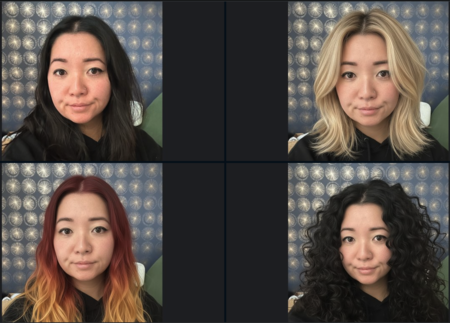
<span>The same portrait, four different styles. The Gemini generator plays with color, texture, and shape without leaving the app.</span>However, there are limits. While the demonstrations show convincing outcomes, certain scenarios still present challenges for any model. Precise typography , intricate details, or small faces in complex scenes can occasionally lead to inaccuracies. The fidelity improves substantially when specific changes are requested, but it’s not always perfect. Users are advised to iterate, adjust, and examine the final results carefully.
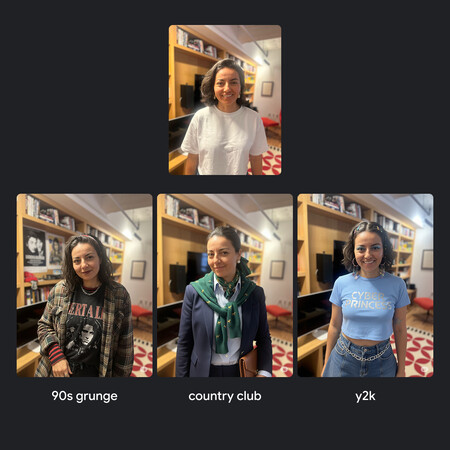
<span>From neutral portrait to three different fashion decades. Gemini plays with aesthetics and time as if they were filters.</span>In terms of security, Google emphasizes its robust safeguards. The generated images feature a visible watermark and an embedded mark through techniques such as SynthID to indicate their AI origin. These precautions aim to mitigate the risks associated with creating hyper-realistic images, which could potentially lead to deception.
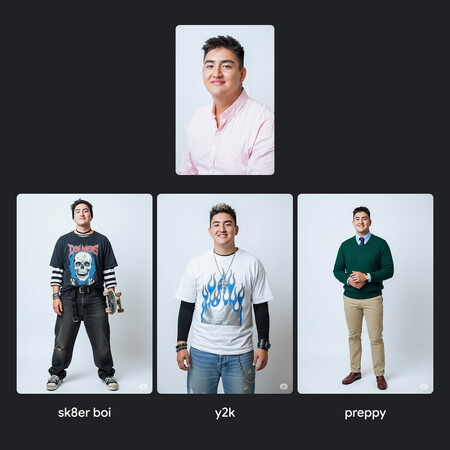
<span>Skater, two miller or classic. Gemini's generator makes a common photo a parade of personalities.</span>One of the most intriguing aspects of Gemini is how effortlessly users can try various styles without complicated software. You can simply ask for, “Make me Y2K version” or instruct it to “convert this photo into a skater look” featuring elements like caps and wide sweatshirts. Interestingly, the same portrait can also be transformed with the command “make this photo preppy,” highlighting your features while completely altering the aesthetic.
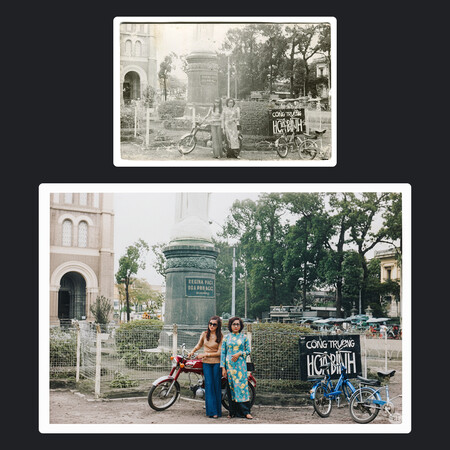
<span>The before and after of the same image: Google's AI repairs colors and revives (or invents) lost details.</span>For those interested in restoring old family albums, the option to recover photos by simply giving a single instruction can evoke both utility and emotion. Additionally, for creators, merging images while retaining facial features opens up a plethora of possibilities and enhances their creative options.
<img alt="A VHS tape, an AI, and eight seconds of audio. That is all a woman needed to recover her lost voice " width="375" height="142" src="https://i.blogs.es/7384e4/voz/375_142.jpeg"/>AI-driven editing is becoming increasingly accessible, and Google isn’t alone in this space. Competing applications such as ChatGPT, Grok, Midjourney, Qwen, and even Adobe are emerging to meet the growing demand. The good news is that users now have abundant options for achieving their editing goals, allowing them to unleash their creativity more than ever before.
Images | Google
In Xataka | Deepseek has put China on the AI map. The danger is that this revolution remains a fleeting moment.