
Tuning Your Vehicle: The Art and Legalities
For car enthusiasts, the modification of vehicles is a popular passion. Many drivers choose to upgrade their car wheels , add a spoiler for a more aggressive look, or even decorate their vehicles with custom stickers. These alterations, often referred to as “ tuning ,” can enhance both the aesthetics and performance of a vehicle. However, it’s essential to know the legal implications and necessary regulations surrounding these modifications.
Allowed Modifications
When you take your vehicle for an ITV (Technical Vehicle Inspection) , it undergoes a comprehensive examination to ensure that it is in the correct condition for safety, both for yourself and for other drivers. Moreover, the technicians must verify that the cosmetic elements of your vehicle are approved and comply with regulations. Although specialized companies exist for certifications, here are the parts that you can generally modify without issues:
- Paint: Changing the color of your vehicle with paint or vinyl does not pose any issues regarding the ITV . There’s no need to notify your insurance or the General Directorate of Traffic (DGT) .
- Wheels: The manufacturer’s manual details the types of wheels and tires your vehicle can use. If you stay within these specifications (as specified in the ITV card), passing the inspection should be straightforward.
- Exhaust: Most car lovers enjoy a bit of noise from their cars to hear that engine roar. However, the exhaust you choose must be approved and comply with decibel and emission regulations.
- Spoiler: Adding a spoiler is permissible as long as it does not exceed the measurements of your vehicle. This means it cannot be wider, longer, or taller than your car. Additionally, sharp edges and the use of metal materials are entirely prohibited .
Understanding Stickers on Your Car
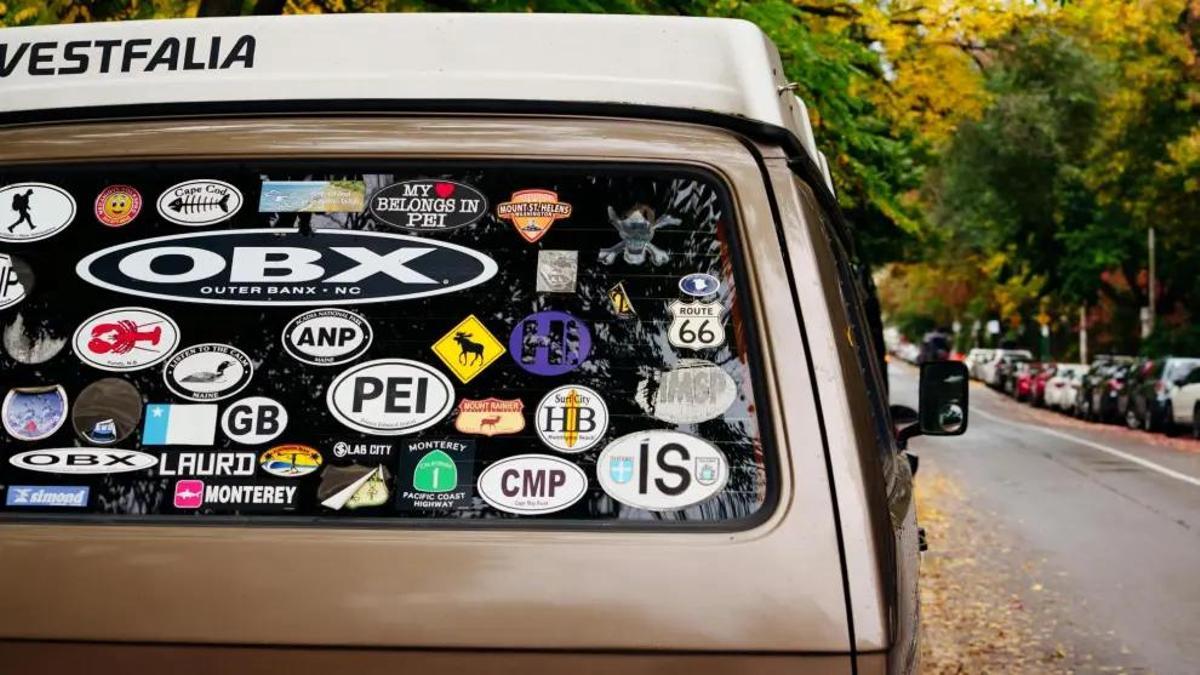
It’s highly likely that at some point, you’ve considered placing a sticker on your vehicle, or perhaps you’ve done so without realizing potential consequences. Many drivers opt for decals that represent their hometown , brands related to the automotive industry, or even their favorite sports teams. However, you need to be mindful of where you place these stickers.
While placing stickers on the chassis (as long as they don’t obstruct license plates and aren’t reflective ) generally poses no problem concerning the ITV or fines, windows have specific exceptions that you should keep in mind. If you stick a sticker on your front windshield or the rear window, it cannot obstruct your vision of the road nor hinder identification from the outside. Ideally, you should apply them to the frame of the glass .
The size of the stickers also matters. Small stickers usually do not pose a problem (though there are exceptions). However, if you place a larger sticker on your window, traffic officers could issue a fine if they deem it necessary, and you might fail the ITV until the decal is removed.
The Risks of Improper Modifications
While many car modifications are permissible, it’s vital to understand that unauthorized alterations can lead to serious legal issues. Engaging in modifications that do not comply with DGT regulations can result in hefty fines, failed inspections, and even the revocation of your vehicle’s registration. As vehicle owners , staying informed is essential for enjoying your modifications legally.
One common mistake made by vehicle owners is assuming that any modification is acceptable as long as it looks good. Aesthetics should never overshadow safety and legal requirements. Modifications like lowering springs or obscure headlights can endanger yourself and others on the road. Therefore, always consult with professionals or conduct research before modification.
Consulting Professional Services
Before carrying out any significant changes to your vehicle, it’s advisable to consult professional services. Professional modifiers not only understand compliance but also ensure that the changes enhance the performance and safety of the vehicle. They can guide you through the homologation process , making sure that any parts installed are approved and safe for use on the road.
In conclusion, modifying your vehicle can be a well-deserved expression of personal style and performance preferences. Ensuring compliance with regulations is of utmost importance, not just for legal reasons, but also to ensure that you maintain a safe driving experience. Always consider consulting experts and doing thorough research before embarking on your vehicle modification journey.