
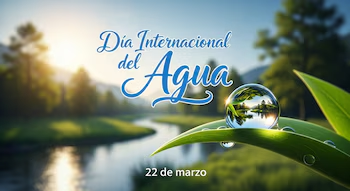
Understanding World Water Day
World Water Day, established by the United Nations (UN) in 1993, occurs every March 22. This day aims to enhance global awareness regarding the sustainable management of freshwater resources. It acts as a platform to promote actions that address the ongoing challenges surrounding this vital resource.
Significance of World Water Day
Each year, this day is themed around specific issues related to water management, highlighting areas like universal access to drinking water, sustainable management of aquatic ecosystems, and the impacts of climate change on water resources. By using an annual motto, World Water Day directs discussions and campaigns, fostering collaboration across various sectors.
The Importance of Fresh Water
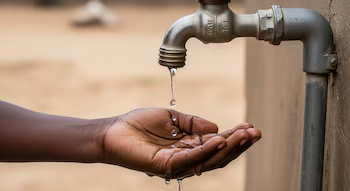
Freshwater is fundamental for daily living, social and economic development, and environmental health. Yet, billions of individuals still struggle to access safe drinking water and adequate sanitation services. The need for effective water management has become increasingly pressing due to challenges such as climate change, urbanization, and rising populations.
Global Challenges and Responses
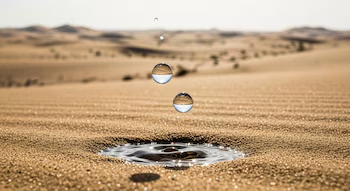
Scarcity, pollution, and unsustainable water use exacerbate pressure on already limited freshwater sources, leading to conflicts and affecting food security and health. Organizations like the United Nations Environment Programme (UNEP) advocate for multinational cooperation and innovative solutions to ensure the sustainability of water resources, especially for vulnerable populations.
Mobilizing Global Action
World Water Day serves as a catalyst for global mobilization through events, educational campaigns, and grassroots activities involving government entities, the private sector, and communities. The UN encourages everyone to participate, whether it’s through awareness dissemination, river clean-up initiatives, or adopting better water practices.
Impact of Collective Action
These efforts aim to inspire behavioral changes and strengthen collective commitment to responsible water management. Engaging a diverse audience allows for shared experiences and solutions across cultures, leading to improved water management and ecosystem preservation.
Linking to the Sustainable Development Goals
World Water Day is instrumental in advancing the United Nations’ Agenda 2030, specifically aimed at achieving Sustainable Development Goal 6, which prioritizes ensuring availability and sustainable management of water and sanitation for all. Access to safe water is crucial for overcoming poverty, enhancing health, and conserving ecosystems.
The Interconnectedness of Global Goals
The UN emphasizes that progress on water management directly impacts other facets of the 2030 Agenda, as effective resource management is foundational for societal resilience and economic prosperity.