
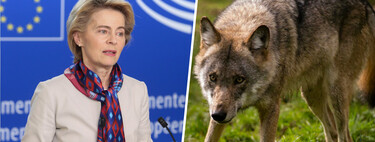
Wolves, Bears, and Wild Boars: Nature’s Reorganization in Spain
Wolves, bears, vultures, and wild boars are redefining their territories across Spain, prompting a larger discourse about the relationship between urban and rural communities. The words of Christian Gortázar, a professor from the University of Castilla-La Mancha, resonate strongly: “the problem is everywhere.” This statement encapsulates the multifaceted challenges arising from wildlife expansion and its impacts on human communities.
The Clash of Urban and Rural Perspectives
Wildlife has been a source of contention for the agricultural sector for years, but recent events, such as the African swine fever crisis, have intensified these concerns. The perception that “there are many animals and no one controls them” acts as an umbrella narrative, uniting various grievances—from budget cuts affecting farmers to rising bureaucratic burdens. The disconnect between political discussions and scientific insights reveals a deeply rooted conflict over what nature represents and how it should be managed.
The Decline of Rural Populations
The demographics of rural Spain paint a stark picture. Approximately 62% of Spanish municipalities have experienced population declines since the 1990s, with regions like Castilla y León and Asturias reporting losses of up to 85%. For urban dwellers, these shifts might seem sociological, but for rural populations, they represent existential challenges that threaten their way of life.
Wildlife Expansion and Economic Ramifications
As these changes occur, species like the wolf and the bear are extending their ranges, while wild boars intrude into urban spaces. This situation creates economic and health concerns for locals. The expansion of these species often fosters feelings of abandonment and resentment among rural communities, complicating efforts to achieve an ecological balance.
A Complex Discussion on Ecological Recovery
While ecological restoration offers a viable solution for recapturing degraded ecosystems, it is essential to acknowledge the reality that these species are returning to an altered landscape. Historical power dynamics in rural areas have shifted, with many existing rural realities clashing with newly introduced conservation efforts. The opinions of these longstanding communities often view urban interventions as counterproductive.
The Need for Constructive Dialogue
The crux of the issue lies not in whether resources are better spent on wildlife conservation or agricultural support, but in the quality of the public discourse surrounding these topics. In many cases, the dialogue has devolved into partisan disputes, complicating effective management strategies. What remains clear is that both wildlife and farmers are integral to the landscape and future sustainability of rural Spain.
Conclusion: Finding Common Ground
Navigating the future of Spain’s rural environment necessitates constructive discussions that incorporate diverse perspectives. Acknowledging both the ecological benefits of species recovery and the economic realities faced by rural communities is essential. The path forward may not be clear, but it is crucial to develop solutions that consider the needs of all stakeholders involved.
In summary, as wildlife continues to reshape the Spanish landscape, the conversation around conservation and rural identity must progress towards understanding and collaboration, ensuring a sustainable coexistence for both nature and humanity.