
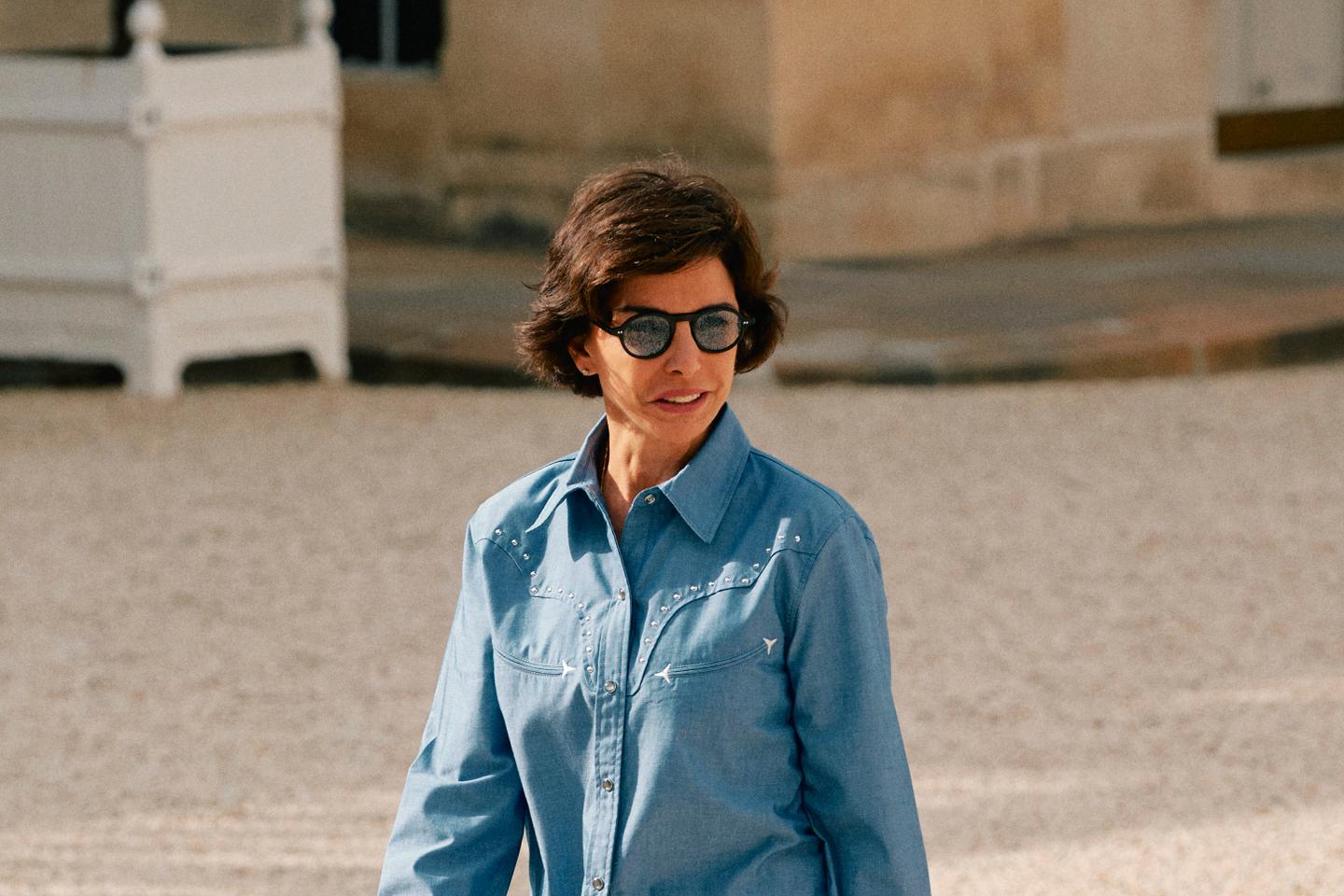
Summer is here, and with it comes the excitement of cultural initiatives that aim to bring art and entertainment closer to the public. This year, Rachida Dati, France’s Minister of Culture, has introduced a unique program: a “Camping Plan.” Yes, you read that right— art under tents , right among the camping stakes. The initiative will feature a range of activities , including animations, performances, and readings set in picturesque locations such as beaches and countryside. The main goal? To make culture accessible to everyone, especially during the popular vacation season .
In a video posted on her Instagram account on May 23rd, Dati was seen at the Marina campsite in Canet-en-Roussillon (Pyrénées-Orientales), enthusiastically inviting people to join her by saying, “ This is a first… So all I have to say is: Join us! ”
With 28 million vacationers flocking to campsites in France each year, it’s no wonder that Dati chose this format to push her message: “ Culture should go wherever the French people are. ” To further emphasize her commitment, she enlisted popular figures like filmmaker Fabien Onteniente—known for the “ Camping ” film series—and actor Franck Dubosc, who embodies a rustic, carefree lifestyle. Onteniente even humorously remarked, “ Pastis at the Marina, pastis with Rachida .”
The Scheme’s Provocative Aim
The term “ plan ” might be a bit grandiose, as some might argue that Rachida Dati revels in declaring these campgrounds to be the ” largest cultural stages ” of the summer. There are around 7,000 campsites in France; however, this program will only reach 500 of them. The state’s financial contribution of €1.8 million may seem modest when it comes to engaging the masses in art. Moreover, it raises questions about how film screenings, performances, book loans, and sculpture workshops will fit into the chaotic schedule known for dancing nights, karaoke, themed dinners, and entertainment shows .
Critics have pointed out that despite her intentions, engaging popular culture in such settings risks diluting the essence of art. The juxtaposition of traditional camping festivities with sophisticated art may turn into mere commercial entertainment rather than enriching cultural experiences. In an age where we continuously curate our cultural consumption, how can we ensure that such initiatives serve the intended purpose of cultural democratization rather than going the way of amusement?
To add fuel to the fire, Dati’s campaign has already stirred frustration among notable cultural decision-makers. Many have expressed their disdain for what they see as a reckless approach to artistic expression . The very idea of camping as a cultural venue strikes them as trivial, undermining the years of careful curation that the traditional cultural sector has painstakingly built.
Yet, one must ponder: what if Dati’s audacious scheme proves them wrong? What if art in unexpected places inspires a new wave of engagement among audiences who might not typically attend gallery openings or theater productions? It’s a calculated risk, and regardless of its immediate reception, it opens up conversations about how the arts can evolve in response to contemporary societal trends.
As the summer unfolds, it will be interesting to monitor the outcomes of the Camping Plan in real-time. Will it attract a new demographic into the world of art? Will it redefine what we consider as cultural engagement? These questions linger as the excitement builds around this unconventional project.
In conclusion, Rachida Dati’s Camping Plan presents an intriguing blend of recreational enjoyment and cultural engagement. By venturing beyond the walls of traditional venues, the initiative has the potential to break barriers and make art accessible to everyone , especially those who usually shy away from cultural spheres. Whether this initiative will successfully resonate with the public or simply serve as a summer novelty remains to be seen. Either way, it prompts a necessary dialogue about the future of culture and its place in our everyday lives, particularly in spaces where leisure and art can intertwine.