
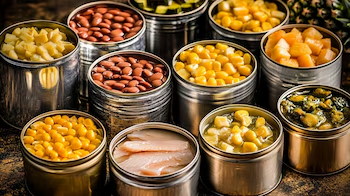
Why Canned Vegetables Can Be as Nutritious as Fresh Ones
Canned vegetables have long faced skepticism, often viewed as inferior to fresh produce. This perception originates partly from their association with ultra-processed foods. However, nutrition experts are now dispelling this myth, emphasizing that canned vegetables can match or even surpass the nutritional benefits of fresh ones when chosen wisely.
The Canning Process: Retaining Nutrients
The canning process plays a crucial role in preserving the nutritional integrity of vegetables. According to Laura Burak, founder of GetNaked Nutrition, vegetables destined for canning are cleaned, blanched, and then sealed in containers after being heated to eliminate bacteria. This process effectively locks in essential nutrients, enabling them to retain high levels of vitamins and minerals.
“Canned vegetables can be more nutritious than fresh ones because they are packaged at their optimal point of ripeness,” explains Burak. This timing allows for effective preservation of crucial nutrients such as fiber, beta-carotene, and minerals like magnesium, iron, calcium, and potassium, along with fat-soluble vitamins A, D, E, and K.
Nutritional Benefits of Canned Vegetables
Recent studies indicate that canned vegetables can offer significant health benefits. An international report from ProVeg highlights that these products have an impressive nutritional profile, averaging 5.5 grams of fiber per 100 grams while being low in saturated fats. The fortification of canned vegetables with essential micronutrients such as iron and vitamin B12 further enhances their contribution to a balanced diet.
Interestingly, the heat from the canning process can increase the bioavailability of certain antioxidants. Sheri Gaw, owner of Sheri The Plant Strong Dietitian, notes that canning tomatoes boosts the availability of lycopene, an antioxidant linked to a reduced risk of heart disease and cancer.
Addressing Nutrient Losses
While some heat-sensitive vitamins, such as vitamin C and specific B vitamins, may reduce during the canning process, it is essential to note that fresh vegetables also face nutritional losses. Factors like transportation, storage, and refrigeration can significantly impact the nutrient content of fresh produce, often diminishing their health benefits by the time they reach consumers.
Sodium Content and Healthy Choices
One of the primary concerns regarding canned vegetables is their sodium content. Gaw recommends selecting low-sodium options or varieties without added salt. Additionally, rinsing canned vegetables can eliminate up to 40% of sodium. Choosing BPA-free packaging or glass jars can further mitigate health risks associated with certain canning materials.
Practical Ways to Incorporate Canned Vegetables
Canned vegetables are not only nutritious but also versatile. Experts suggest practical ways to integrate them into daily meals:
- Add canned pumpkin puree to oatmeal, pancake batter, or baked goods for a nutrient boost.
- Incorporate canned beans and corn into soups, stews, or salads for flavor and texture.
- Use canned tomatoes in pasta dishes, rice, or dips to enhance the dish’s nutritional profile.
Advantages of Canned Vegetables
Canned vegetables offer several benefits over their fresh counterparts:
- Availability: They can be stocked year-round.
- Cost-effective: Generally lower prices than fresh produce.
- Long shelf life: Ideal for meal planning and reducing waste.
In conclusion, canned vegetables are an excellent addition to a balanced diet. They provide essential nutrients comparable to fresh options while also being convenient and economically smart. By making informed choices, consumers can enjoy the myriad health benefits of these often-overlooked pantry staples.