
A healthy diet goes beyond just balancing carbohydrates, proteins, fats, vitamins, and minerals. The journey of food from production to cooking significantly impacts its quality and safety . Knowing how to read labels is essential, not only for proper nutrition but also for reducing waste and optimizing what we have at home. A common query arises from these labels: Can we eat expired foods? Which ones are safe, and which are not? How do we navigate between the phrases “best before” and “use by”?
According to Laura De Gara , an Italian nutritionist and president of the Master’s Course in Food Sciences and Human Nutrition at the Campus Bio-Medico University in Rome, clarity can be achieved by distinguishing between different cases.
Expiration or Best Before?
The difference is crucial. “We may not pay attention to the wording of expiration: ‘Best before’ and ‘Use by.’ The addition of ‘preferably’ is not a minor detail.” The label stating ‘best before’ indicates the date until which the product maintains its optimal sensory properties , such as flavor and texture. After this date, the food may lose some of these qualities without becoming hazardous to health.
In contrast, the ‘use by’ date is mandatory information about when the product must be consumed. After this date, especially with fresh products, it poses a health risk ,” explains De Gara.
Significant Risks: Poisoning and Bacteria
“The most common risk is food poisoning caused by pathogenic bacteria such as Salmonella , Listeria , and Escherichia coli . The risk of toxins developing in food is particularly high in perishable items like meat, fish, and dairy products. It’s not just critical to avoid eating these foods post-expiration, but also to ensure they are stored at the correct temperature ,” she asserts.
Foods Safe Even When Expired
“Some foods can be consumed safely even after their expiration date , provided they have been stored properly and require high-temperature cooking. Examples include dried pasta (not fresh), rice , dried legumes , canned foods, and long-lasting products like honey and sugar ,” she concludes.
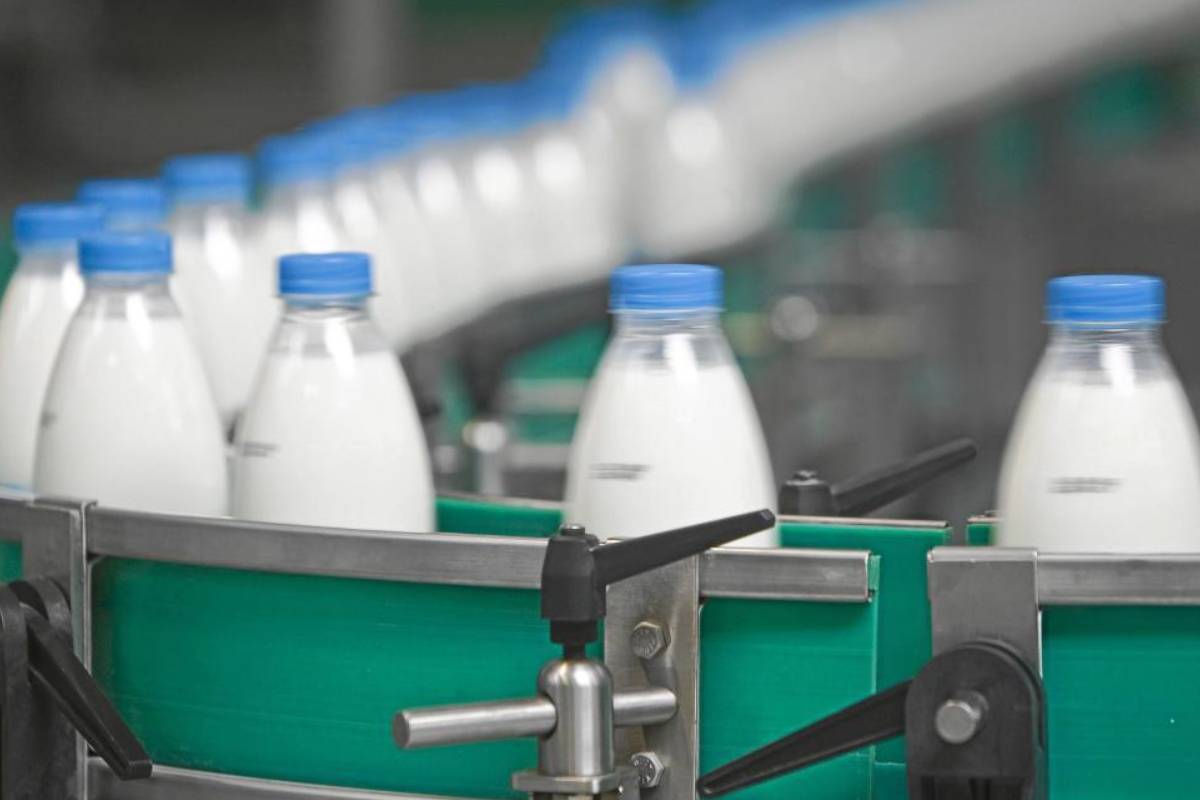
Image of some milk bottlesE.M.
Our Senses Help Us
“Our senses, particularly sight and smell , can significantly assist us in determining if a food is still consumable. A change in color can be an important indicator; if in doubt, we can taste a small amount to better evaluate unwanted alterations in sensory characteristics.
If the food shows signs of mold , unpleasant odors , or a strange taste , we should not consume it. It’s worth noting that older adults may have altered taste perception, while children have more taste buds than adults and may perceive flavors more intensely but may be less attuned to quality changes,” explains the expert.
Reducing Waste: Planning and Storing
“The key issue is shopping planning : making a list at home while checking what we already have seems like a straightforward tip, yet it is often challenging to implement in daily life. According to data from the Nestlé Observatory, just over half of Italians routinely do this.
While shopping, an essential tip is to dedicate time to read the expiration date of what we purchase. For frozen products, remember that they shouldn’t defrost during the time taken to get to your kitchen’s freezer.
Using airtight containers when opening a package is helpful. Similarly, the placement of food in the refrigerator or pantry is significant. It’s beneficial to freeze foods that are not intended for immediate consumption,” advises De Gara.
Milk: Not Past the Expiration
“Milk is a highly perishable product and can develop harmful bacteria after the expiration date. This risk increases during warm seasons: forgetting an opened milk container outside the fridge for even a few hours may render it unusable.”
It’s critical to adhere to proper safety guidelines concerning raw milk or its derivatives. “Raw milk is sold after milking without undergoing any heat treatment, preserving all its natural characteristics but may also contain pathogenic microorganisms. The danger is so significant, especially in summer months, that the Health Ministry recently issued guidelines for controlling Escherichia coli toxins in unpasteurized milk and related products.”
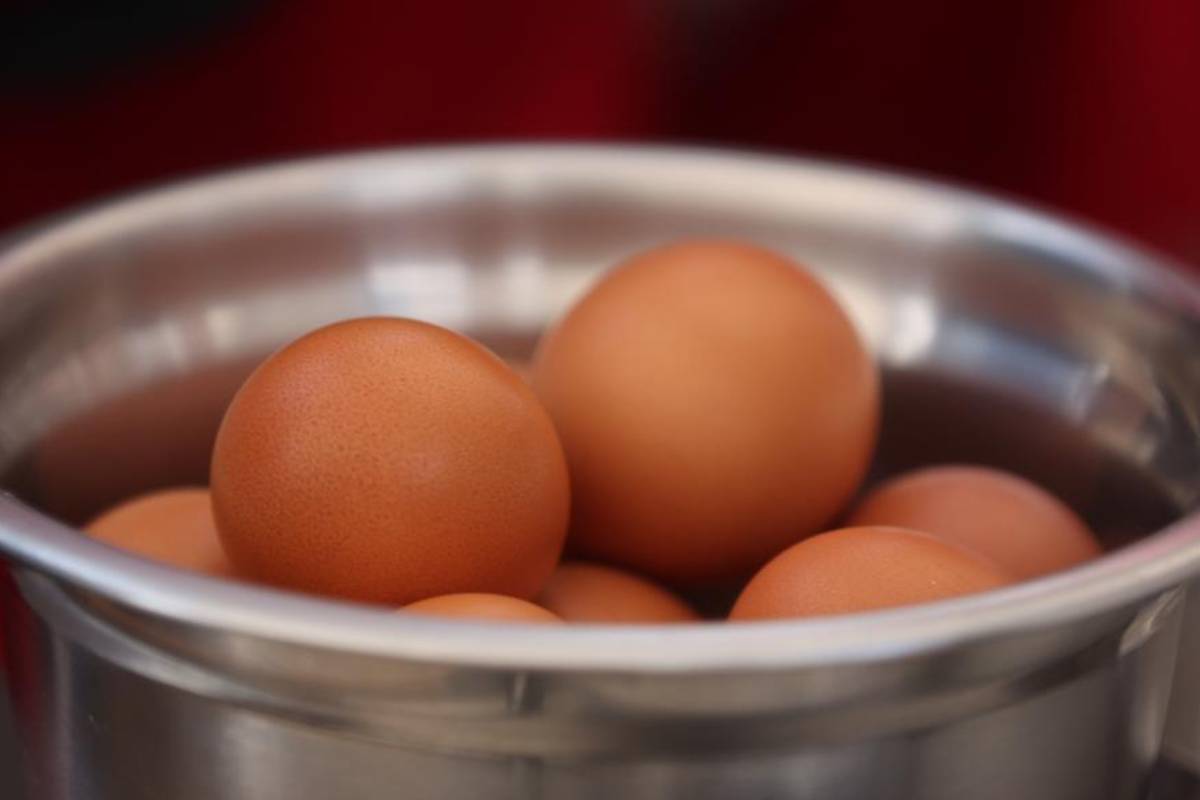
Image of some eggs
Honey Lasts a Long Time
“While nothing biological is eternal, we can confidently say that honey lasts a long time .” Its natural antibacterial properties make it particularly stable over time. “If stored correctly, it preserves its nutritional characteristics for extended periods without losing quality or safety ,” asserts De Gara.
Cheese: Not Beyond Expiration
“Although some aged cheeses can be consumed past their expiration date, it is crucial that there are no altered sensory characteristics .” Sight and smell are essential evaluation tools. “In particular, be attentive to the absence of undesirable mold and unpleasant odors : if there are evident changes in the rind or aroma, it’s best to avoid consumption.”
Oil: Short Window
“Oil does not pose food safety issues if consumed shortly after the expiration date, as long as it has not gone rancid . However, consider the nutritional aspect. Over time, extra virgin olive oil—the one that can offer health benefits when consumed in the right quantities—loses interesting molecules for their antioxidant and anti-inflammatory effects. Therefore, it’s ideal to consume it within a year of its production .”
Fruit Juices and Dry Cookies: Some Months After Expiration
“Fruit juices, although correctly packaged and stored, tend to lose their nutritional qualities over time.” The main risk is fermentation or the development of mold . “If we come across expired fruit juices that are well-sealed, we may consider consumption only after careful evaluation. If the taste, smell, or appearance presents no evident alterations, it’s possible to try a small amount. However, if in any doubt, it’s best not to take risks .”
“Packaged and unopened dry cookies are among the least problematic foods from a safety standpoint. Even after expiration, they can be consumed for several months . The major loss pertains to sensory characteristics: they may lose crunchiness, flakiness, and aromatic intensity but remain safe if stored properly .”
Cold Cuts and Processed Meats: Not Beyond Expiration
“Cold cuts and processed meats are among the most perishable and sensitive to microbial deterioration .” The risk of dangerous bacteria like Listeria developing is high. “It’s not advisable to consume them beyond their expiration date, even if the appearance seems fine: deterioration is not always visible to the naked eye .”
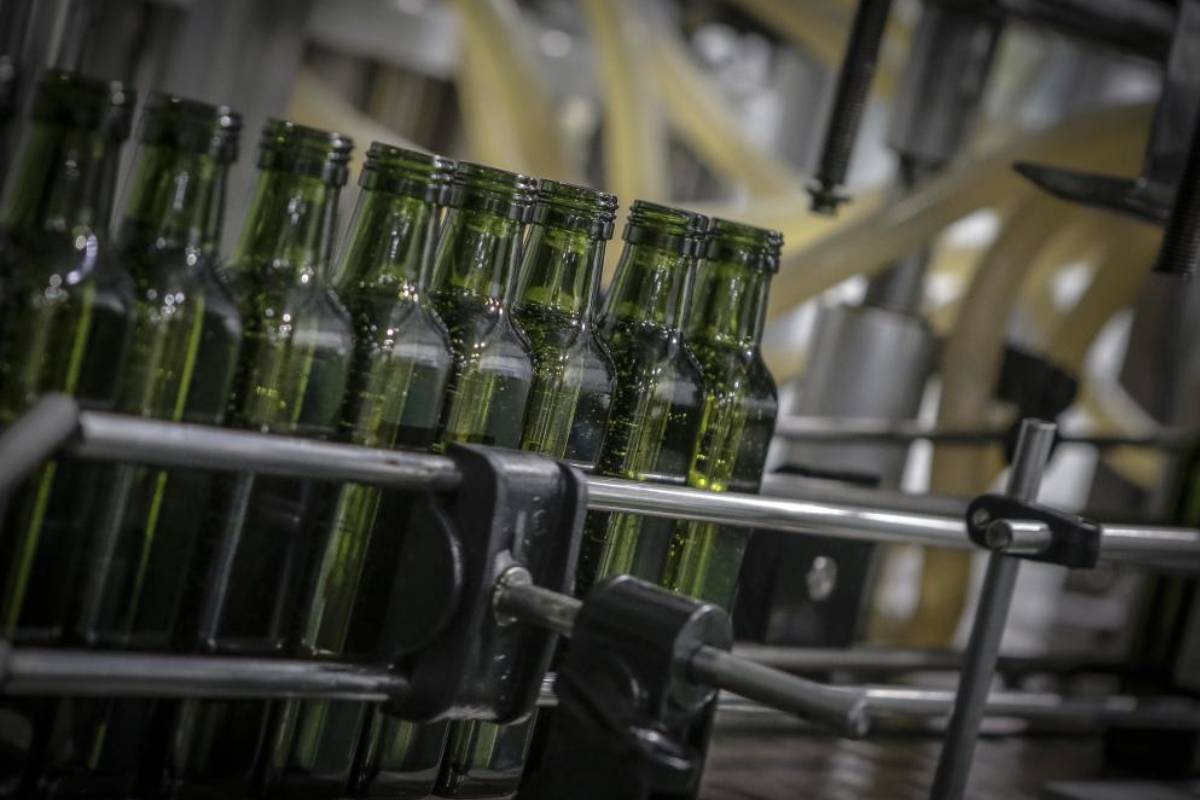
Olive oil packaging processE.M.
Canned Fish: A Month Past Expiration
“Canned fish usually has long expiration periods, sometimes between two to five years after packaging.” Given these extensive periods, “there is a degree of tolerance, even up to a month after .” With the condition of the packaging being intact and no alterations present, it could be consumable. “However, it’s always a good practice to check the label’s date when purchasing: some batches may be close to expiration without us realizing it.”
Chocolate: Several Weeks After Expiration
“Chocolate can be consumed even months after expiration , provided there are no signs of deterioration.” The typical white patina that may appear on the surface, known as bloom , “is not harmful; it’s an aesthetic alteration caused by fat or sugar separation, which does not compromise product safety .”
Eggs: No Longer Than the Expiry Date
“Eggs can be an extremely dangerous food if consumed after the expiration date.” After this date, they can develop bacteria like Salmonella , even if they appear fine externally. Therefore, it’s strongly advised not to eat them beyond the indicated date .”
Navigating the complexities of food expiration can save both money and health. By understanding the significance of expiration dates and best before labels , consumers can make well-informed choices about their food. By following expert guidelines and being attentive to sensory cues, we can create a healthier relationship with food while simultaneously contributing to sustainability by reducing waste . This knowledge empowers us to make better decisions and eat safely, ensuring our health and well-being.