
Film Criticism and Time: A Changing Perspective
Cultural critics, often viewed as the least prestigious within the journalism landscape, face a daunting task. They are frequently judged by the unyielding passage of time, with many critiques becoming victims of their contemporary context. Decades later, prominent works in literature, film, and music often find themselves misunderstood or misrepresented during their initial releases. This retrospective scrutiny highlights the challenges critics face, as their contemporary evaluations sometimes fail to recognize the historical significance of a work.
A Journey Through Misunderstood Classics
In this exploration, we revisit notable films, albums, and books that were met with skepticism or outright disdain upon their initial releases but have since achieved critical and popular acclaim, illustrating the pitfalls of being a cultural critic.
Blade Runner (1982)
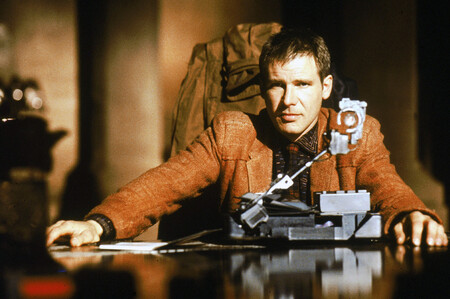
Today, Blade Runner is celebrated as a masterpiece of science fiction cinema, shaping modern visions of the future. Yet, upon its release, it received harsh criticism. Diego Galán of El País labeled it “a pretentious comic book” and asserted it relied on stunning visuals rather than substantive storytelling. His review lamented the film’s perceived inability to surpass the classic Metrópolis by Fritz Lang. Over time, however, audiences have come to realize the film’s intricate narrative and aesthetic genius, elevating it to a revered status in cinematic history.
The Godfather Part II (1974)
As a sequel to the legendary The Godfather, Francis Ford Coppola’s Part II faced harsh critiques, with Vincent Canby of The New York Times suggesting it was a mere reminder of the original’s superiority. He characterized it as a “Frankenstein monster” of discarded pieces, failing to present anything new. Today, both films are lauded as among the greatest in cinema, showcasing the stark contrast between contemporary and retrospective views.
Apocalypse Now (1979)
Francis Ford Coppola’s ambitious war epic, Apocalypse Now, was initially met with skepticism despite its eventual acclaim. Critics described it as “silly,” doubting its artistic merit. Nevertheless, over time, it has come to be recognized for its profound exploration of the human condition amidst the horrors of war, solidifying its place in cinematic history.
Lessons from Time’s Judgment
The criticisms leveled at Blade Runner, The Godfather Part II, and Apocalypse Now serve as a reminder of the fallibility of critics and the shifting sands of cultural appreciation. As societal values and artistic standards evolve, what was once deemed unworthy can transform into an enduring classic. This underscores the importance of perspective in cultural criticism, suggesting that sometimes the best response to art is quiet contemplation rather than immediate judgment.
A Final Reflection
In revisiting these misjudged works, we highlight the dynamic relationship between art and criticism. Just as artistic expressions can evolve over time, so too can our understanding and appreciation of them. This journey through misunderstood classics serves as both a cautionary tale for critics and a celebration of art’s enduring power to inspire and challenge our perceptions.