
The Unbeatable Cold: Albacete’s Historic -24ºC Record
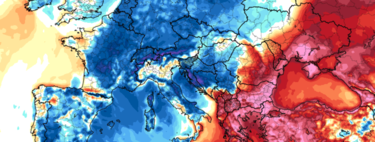
Europe started the year 2026 chillingly cold, with temperatures dropping atypically low in many regions. However, these current conditions seem mild in comparison to the meteorological phenomenon that struck Albacete, Spain, in January 1971. On January 3 of that year, Albacete recorded a temperature of -24ºC, marking the coldest temperature ever recorded in a provincial capital in Spain and a record that has yet to be surpassed.
Historical Context of Albacete’s Record
The Agencia Estatal de Meteorología (Aemet) keeps meticulous records of temperatures across Spain. Even though -24ºC is a level of cold generally associated with Siberian climates, it has remained unbeaten in urban centers. This record underscores a fascinating aspect of Albacete’s climatic history, reflective of Spain’s extreme weather variability.
The specifics of this record are compelling; not only was it the lowest ever in Albacete, but also the coldest captured in any provincial capital. For reference, the next closest temperature recorded that day was a frigid -22ºC in Burgos.
Extreme Values from the Past
The Aemet doesn’t just provide future forecasts; it also allows for insights into past weather patterns. Its database stretches back nearly a century, detailing extreme temperatures, rainfall, and wind speeds. The service, designated for both enthusiasts and professionals, is an invaluable resource for examining historical weather trends in Spain—from local climates to broader, regional climatic conditions.
Why This Cold Snap Was Significant
The cold snap that gripped Albacete was not an isolated incident; other cities also experienced notably low temperatures. Valladolid, Teruel, and even Daroca reported temperatures in the range of -19ºC to -18ºC. In fact, across the entire region, no provincial capital saw temperatures exceeding 10ºC that day. It was a widespread phenomenon, demonstrating severe climatic conditions experienced throughout Spain.
A Closer Look at the Records
Despite Albacete’s astonishing record, it’s important to note that Spain has seen even colder temperatures recorded in non-urban settings. For instance, a small town in Teruel recorded -30ºC back in December 1963, establishing a benchmark for lowest temperatures in populated areas.
The geographical triangle of Teruel, Calamocha, and Molina de Aragón has historically been recognized as the “pole of Spanish cold,” frequently recording temperatures below -20ºC throughout the latter half of the 20th century.
Conclusion: Weather Patterns and Their Legacy
The record-setting temperature of -24ºC is not merely a footnote in Albacete’s history; it reflects broader patterns of severe weather that can affect significant regions. As we continue to navigate changing climatic conditions, understanding these historical extremes is crucial.
Both Aemet’s ongoing research and the rich data available contribute to a more nuanced comprehension of weather patterns, helping to inform predictions for future climate conditions across Spain and Europe.
Visuals and References
Visual information from the Aemet archives offers an intriguing glimpse into the past; one can easily dive into the digitized weather bulletins to understand what conditions were like at that time. Furthermore, compelling imagery provides context to the chilly narrative of January 1971, reminding us how significantly weather can shape our experiences and history.
For those interested, more information and historical data can be found through Aemet’s platforms and dedicated meteorological services.