
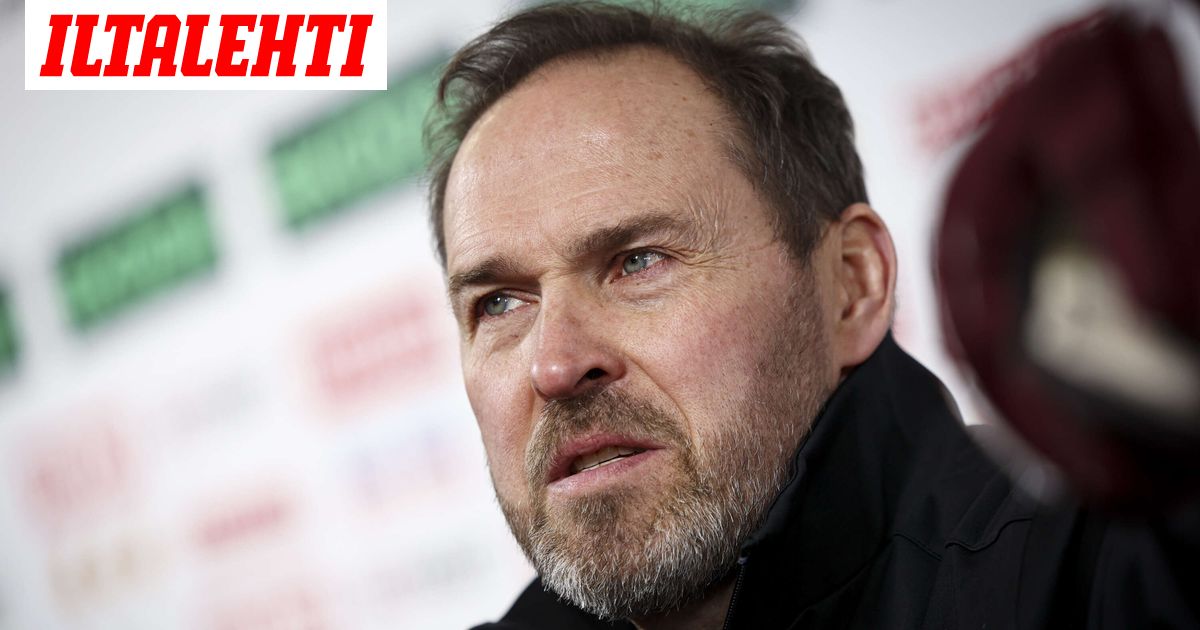
Artūrs Irbe’s Perspective on Russia’s Participation in International Sports
The legendary Latvian goalie, Artūrs Irbe , recently shared his thoughts in an interview with Iltalehti regarding Russia’s potential participation in international sports events such as the World Cup and the Olympics . At the age of 58, Irbe’s statements reflect a strong stance against any involvement of Russia in major sporting competitions under the current circumstances.
The Unlikelihood of Russia’s Return to International Sports
Irbe expressed his disbelief that Russia could be included in future World Championships or Olympics. He stated emphatically, “ It is impossible . I hope many others think the same, as there must be order in the world. We live in the 21st century, not the Middle Ages.” This declaration underscores his belief in the need for accountability and responsibility on the international stage.
Consequences of Global Actions
According to Irbe, the issue at hand extends beyond merely halting military actions. “It is not enough for them to stop their brutal offensive war in Ukraine,” he asserted. He emphasized that Russia must face consequences for their actions before they can return to any form of international participation . His statements resonate with a broader sentiment in global sports about holding nations accountable for their behavior.
Response from the Russian Political Sphere
These comments have inevitably drawn a response from figures in the Russian sports and political arenas. One notable reaction came from Vyacheslav Fetisov , a former Soviet defense star who has transitioned into a politician supporting Vladimir Putin . In response to Irbe’s statements, Fetisov remarked, “I don’t know what’s going on in the heads of all these guys. They should return the gold medals they won and remain just Irbe without any titles.” This counterargument highlights the contentious atmosphere surrounding discussions of sports and politics.
Historical Context of Artūrs Irbe’s Career
Irbe won gold medals as part of the Soviet national team before Latvia regained independence, claiming titles in 1989 and 1990. The latter championship was particularly significant, as it represented the last victory for the Soviet Union. Irbe was also recognized as the best goalkeeper of the tournament during that year, solidifying his position as a hockey legend.
The Complexity of National Allegiances
Fetisov criticized Irbe’s current stance, noting, “At that time, he didn’t have such statements. Furthermore, he speaks very good Russian . If he had spoken such things about our country back then, it would have won him more respect than now, when all are against Russia.” This comment provides insight into the complexities of national identity and loyalty in the world of sports and politics.
Fetisov’s Empathy Towards Irbe
Interestingly, despite his criticisms, Fetisov expressed a certain amount of sympathy for Irbe. He stated, “Sooner or later, we will return to international arenas, and I don’t know what all [the critics of Russia] will say after that.” This sentiment suggests that there may be a belief among some in Russia that the country will eventually reintegrate into international sports , regardless of the current situation.
The Future of Sports Diplomacy
The current situation raises questions about the future of sports diplomacy . As nations navigate the complex landscape of international relations, the world of sports often reflects broader geopolitical tensions. Irbe’s stance could be seen as a microcosm of a larger, ongoing debate about national identity and responsibility in global sporting events.
The Role of Athletes in Political Discourse
Athletes like Irbe are increasingly becoming voices of political and social change , using their platforms to speak out against injustices. Their influence extends beyond the ice rink or football field, impacting public opinion and policy at a global level. The conflict in Ukraine has intensified these discussions, and athletes find themselves at the intersection of sports and societal values.
Conclusion
The case of Artūrs Irbe versus Vyacheslav Fetisov exemplifies the complex interplay between sports and politics. As the dialogue continues, the sports community must grapple with questions of ethics, national pride, and accountability. Irbe’s unwavering stance against Russia’s participation in international sports illustrates a strong moral perspective, while Fetisov’s counterpoints reflect a deep-rooted loyalty to a nation in turmoil. In an ever-evolving global landscape, the role of athletes in shaping political discourse is more crucial than ever.