
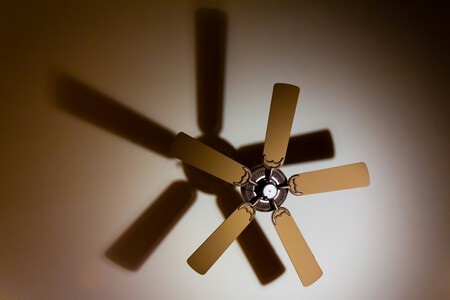
## Understanding the Horizontal Property Law and Its Take on Fans
As summer approaches, many residents in Spain are setting up fans and air conditioning units to combat the rising temperatures. However, this ushers in a relevant legal question: what does the Horizontal Property Law (HPH) say about the use of fans, particularly when they become a nuisance?
### The Basics of the Horizontal Property Law
The Horizontal Property Law serves as a guiding framework for community living in multi-family housing structures. Established regulations help ensure a harmonious coexistence among neighbors. However, when it comes to specific appliances like fans, the law does not provide explicit directives.
### Common Concerns Raised by Neighbors
A quick search online reveals many articles discussing complaints, discomfort, and possible sanctions related to loud fans. The law implies that while residents can engage in activities within their apartments, they should not disrupt their neighbors. This leads to questions like: Can you demand a neighbor change their noisy fan? Or can you be told to replace yours?
### What the Law Actually States
The key aspect of the HPH relevant here is Article 7.2, which states, “The owner and occupant of the apartment or premises are not allowed to carry out activities… that contravene the general provisions on annoying, unhealthy, harmful, dangerous or illicit activities.” Thus, while fan use is not inherently problematic, it can become an “annoying activity” if it produces persistent noise that disturbs other residents, especially during late hours.
### Steps to Address Noise Complaints
Should a fan become a disturbance, dialogue should be the first course of action. The community president may approach the neighbor using the noisy appliance. If informal complaints do not resolve the issue, the homeowners’ meeting can escalate the matter by pursuing more formal avenues, including legal actions.
According to the law, potential legal outcomes may include limitations on the continued use of the appliance in question, compensation for damages, or, in severe cases, temporary deprivation of the right to use the property for up to three years.
### Other Legal Considerations
Beyond the HPH, there are additional regulations that may apply, such as the Law of Noise. For example, local ordinances in Madrid specify that sound levels from household appliances must be managed to avoid disrupting community peace. They establish clear decibel limits—usually 35 dB during the day and 30 dB at night—which approximate the noise level of a quiet conversation.
### Conclusion: Applying the Law to Fans
In summary, the Horizontal Property Law offers a framework for addressing noise complaints related to appliances like fans. However, it primarily applies when the noise levels cause demonstrable discomfort. Therefore, if a fan’s noise escalates to an annoying level, residents have legal avenues to pursue relief.
For those impacted by noisy fans, enforcing the law through communication and community channels is essential for maintaining a peaceful living environment.