
Risks of Lunar Flybys for Astronauts: Insights from Carlos García-Galán
As the historic Artemis 2 mission approaches a significant milestone, astronauts are set to conduct the first human flyby of the Moon since 1972. This mission not only allows them to witness the far side of the lunar surface but also raises pertinent questions about the potential risks associated with such journeys.
Understanding the Mission’s Context
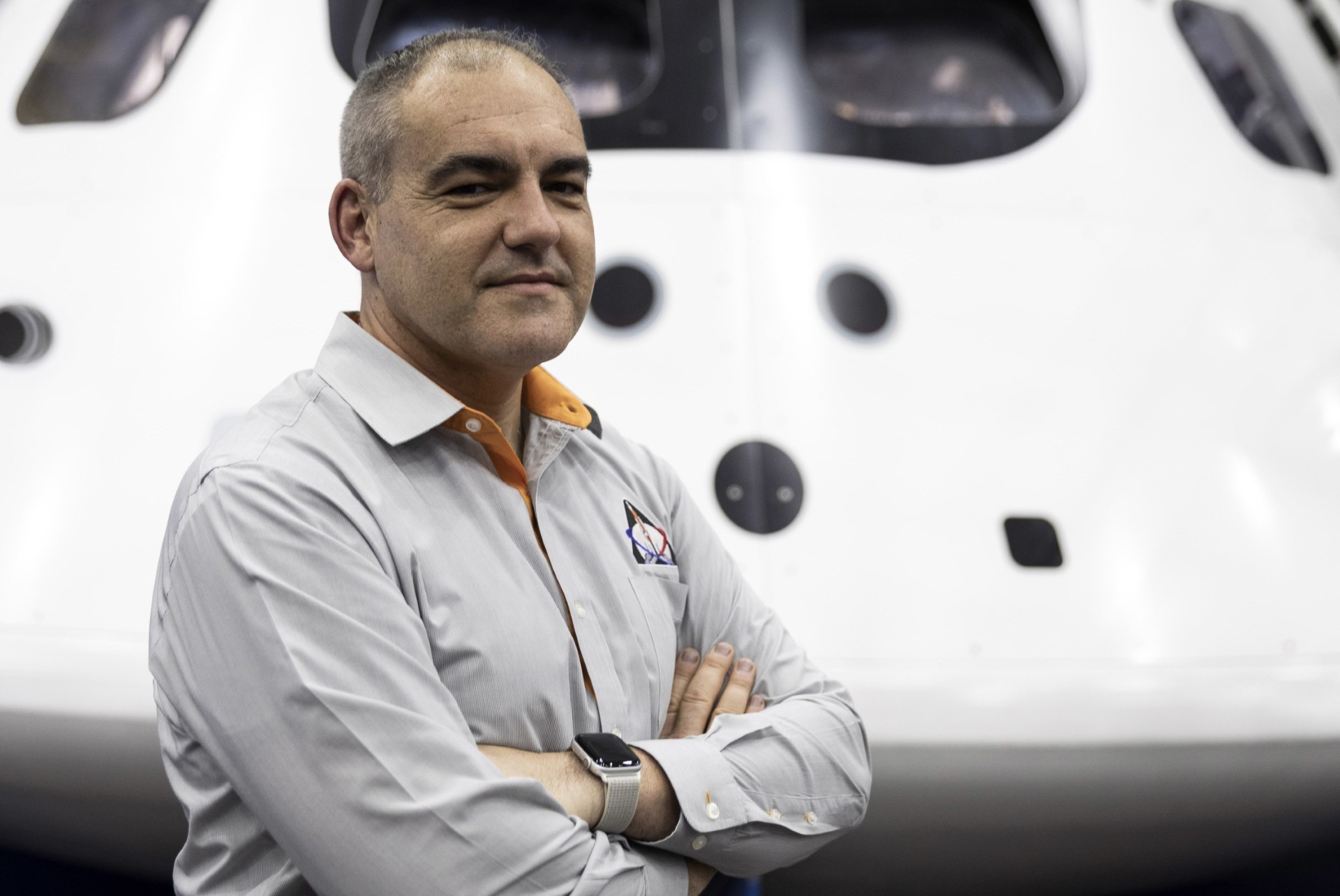
Carlos García-Galán, an engineer and director of the U.S. lunar base program, plays a crucial role in the Artemis mission management team based in Houston. His team has devoted years of planning and preparation for this monumental mission, which involves four astronauts over a span of ten days. The urgency and excitement in the control room are palpable as they evaluate how the mission progresses each day, assessing systems and addressing any emerging challenges.
Potential Risks During the Lunar Flyby
Communication Gaps
One of the primary risks during the flyby is the communication blackout that occurs when the spacecraft passes behind the Moon. For approximately 45 minutes, the astronauts will lose direct line-of-sight with mission control on Earth, which can be unsettling. However, García-Galán reassures that no complex maneuvers will be required during this phase, reducing the risks typically associated with such communication lapses.
Operational Challenges
While the Artemis 2 mission is a test flight, it has unveiled certain operational challenges. For instance, the crew encountered minor issues with onboard systems, including the spacecraft’s restroom facilities. رغم ذلك, these challenges seem manageable and are expected in flight testing, especially when human factors are introduced for the first time. It’s crucial to understand that adjustments will be made for future missions based on these findings.
The Role of Human Factors
Flying with a crew complicates the perception of risk compared to test flights devoid of human presence. García-Galán notes, “Flying with the crew is entirely different than flying without them.” During the Artemis 1 mission, the spacecraft went through several critical propulsion events, which are not part of the preliminary tests for Artemis 2.
Looking Toward the Future
The overall assessment of the Artemis 2 mission so far is optimistic, with all systems performing well. As the mission progresses, the focus shifts towards gaining deeper insights into the spacecraft’s capabilities and human adaptability to such environments. Flight data from Artemis 2 will be vital for upcoming lunar landings planned for 2028, where it is anticipated that astronauts will not only return to the Moon but also establish a sustainable presence there.
Conclusion: A New Era of Space Exploration
García-Galán emphasized the historical significance of this mission, stating, “Artemis 2 represents a new era of space exploration.” By taking these steps, we are not just revisiting the Moon after half a century; we are laying the groundwork for future missions aimed at building a lunar base. This initiative could lead humanity to explore further into space, marking an exciting chapter in our quest for knowledge and exploration beyond our planet.