
The Complex Debate on Social VAT in France
The recent discussions surrounding Social VAT have stirred significant reactions within the French political landscape. This measure, proposed by several political figures including François Bayrou, seeks to adjust the value-added tax (VAT) to ease the burden of labor costs while simultaneously funding the French social model. Understanding this proposed change requires digging deeper into the underlying complexities and potential implications it may have for the French economy and society.
What is Social VAT?
Social VAT refers to the concept of increasing the standard VAT rate, currently at 20%, to lower employers’ payroll taxes. Proponents argue that by decreasing labor costs, companies can invest more in their workforce, potentially leading to higher net salaries. This could provide a boost to the overall economy while maintaining the financing for the social security system, which is vital for healthcare and welfare programs in France.
According to specialists, a 1% increase in VAT could yield approximately €11 to €13 billion in additional revenue. However, the current structure of VAT already provides substantial funding for social protection, reportedly increasing from 4% to 21% of all taxes allocated to social welfare since 2018. This increase in reliance on VAT for funding raises questions regarding fairness and economic impact, especially for lower-income families who may feel the brunt of such hikes more acutely than wealthier households.
The Social Implications of Increased VAT
One of the primary concerns surrounding Social VAT is its regressive nature. As it stands, VAT is perceived as an inequitable tax, affecting all consumers regardless of income level. This disproportionate impact hits low-income families the hardest, who spend a higher percentage of their income on goods and services that are subject to VAT. Although essential goods have a reduced rate of 5.5%, the overall effect of an increase could lead to higher everyday costs.
Trade unions and leftist political factions have expressed serious opposition to the proposed VAT increase, branding it as a social injustice. They label this tax proposal as an “anti-social VAT,” arguing it could erode the purchasing power of workers and worsen their financial situations. If enacted, this change may prompt public outcries and protests, as seen in prior instances where tax increases disproportionately affected the less affluent.
Political History of VAT
The political history of proposals surrounding VAT reveals that attempts to implement such changes have proven contentious. In 2007, during a legislative election cycle, the proposal for a VAT increase met significant backlash from the Socialists, who successfully framed it as detrimental to the public’s financial well-being. This created a wave of political contention that ultimately led to the shelving of the initiative.
Presently, François Bayrou’s attempt to re-ignite discussions around Social VAT comes at a time when political consensus on such measures appears fragile. The left, particularly, has maintained a firm stance against any VAT hikes, positioning themselves as champions of the economically vulnerable.
Current Political Landscape
The current political climate in France does not seem favorable for the implementation of Social VAT. Following the government’s previous failure to address the complex issues surrounding tax reforms, many legislators are cautious. Amid ongoing concerns about inflation and the potential for further reducing the purchasing power of families, any proposed tax hike invites scrutiny and rigorous debate.
Statements from various political figures underscore a sense of uncertainty. For instance, Amélie de Montchalin emphasized alternative avenues for balancing the national budget, indicating a prevailing sentiment that aligns with caution rather than enthusiasm for increasing VAT.
However, some proponents argue that Social VAT could offer a dual advantage by not only helping fund the social security system but also alleviating financing issues faced by companies, promoting long-term economic stability. Patrick Martin, a prominent figure in favor, mentioned that the economic evidence from countries like Germany shows minimal inflationary impacts resulting from VAT increases, suggesting that economies can adapt.
Potential Contestation Ahead
In conclusion, the debate surrounding Social VAT in France involves navigating a maze of economic theories, social responsibilities, and political implications. The risks involved in advocating for tax increases are high, particularly in a society where public sentiment is already sensitive to financial pressures.
As discussions continue, the question remains whether the political will can align with economic viability. With parties on both sides preparing for heated debates, the outcome of any proposed changes to VAT will undoubtedly affect economic conditions, social equity, and political stability in France.
The implications of this ongoing dialogue around Social VAT cannot be overstated. It encapsulates a broader narrative about the struggle for equity in taxation and the tension between economic growth and social welfare.
JULIEN DE ROSA / AFP
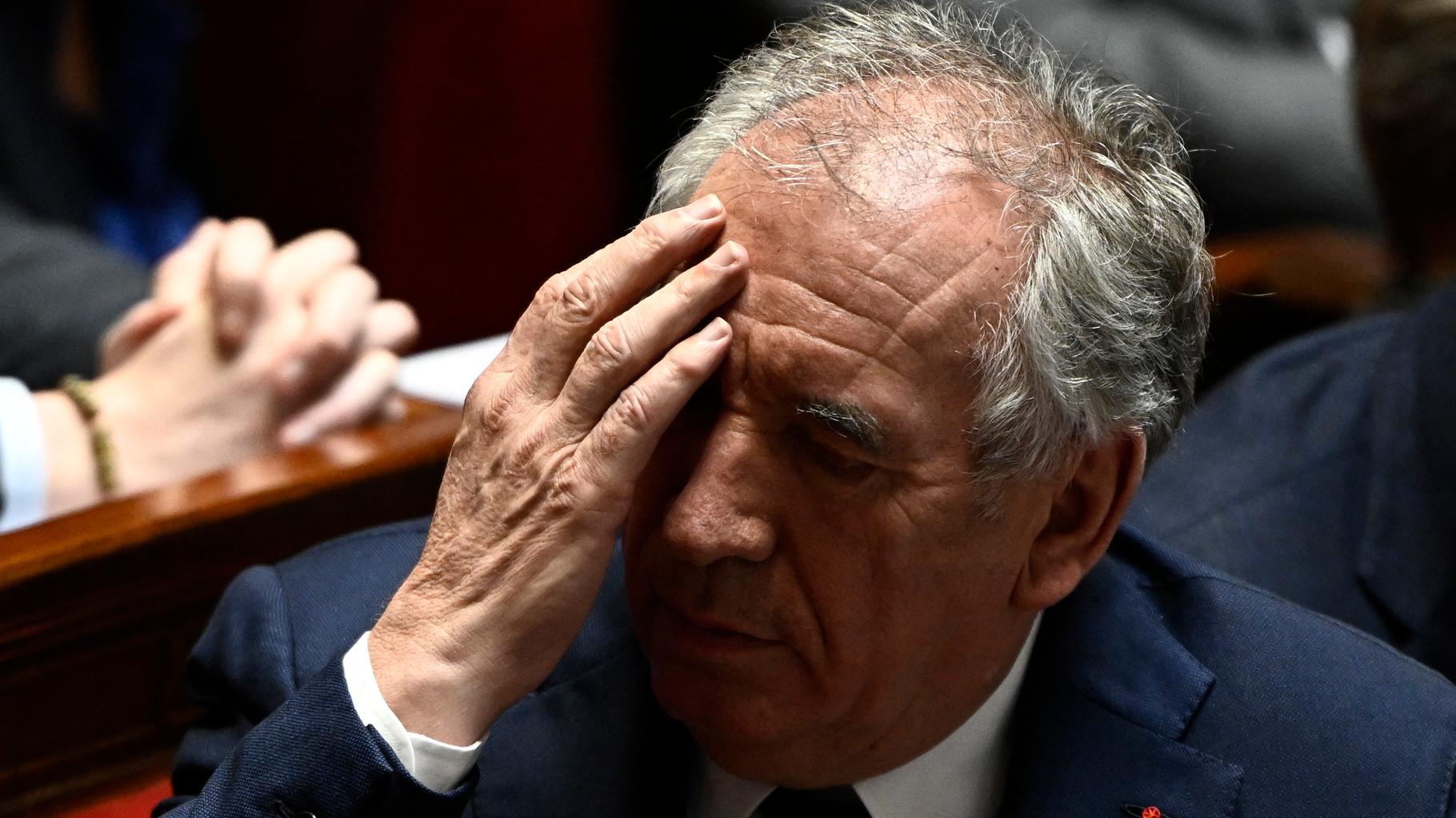
François Bayrou photographié mardi 11 mars à l’Assemblée nationale, lors des questions au gouvernement
POLITIQUE – « Radioactif », « impôt maudit », « bombe politique »… La litanie des superlatifs employés par la presse la semaine dernière lorsque Emmanuel Macron a remis le sujet sur la table traduit bien la complexité de l’ouvrage qui attend François Bayrou. Interviewé pendant près d’une heure ce mardi 27 mai sur RMC-BFMTV, le Premier ministre qui veut demander un « effort à tous les Français » a offert un droit de suite à la parole présidentielle en relançant la piste d’une « TVA sociale ».