Jorge Calzada Zubiría Madrid
Actualizado

Jorge Calzada Zubiría Madrid
Actualizado
The Strait of Hormuz may be far from Spain, but events occurring there have a direct impact on the nation. This strategic passageway, through which a significant portion of the world’s oil and gas flows, represents a vulnerability for countries dependent on imports, including Spain. Let’s delve into some key questions to understand why this distant strait has such nearby implications.
Spain should be concerned because the Strait is a primary transit point for oil and gas that fuel the global energy system. Despite having a diversified energy portfolio, Spain does import oil from countries in the Gulf. Any tension in Hormuz automatically escalates global oil and gas prices, impacting Spain’s economy.
In 2023, Spain consumed approximately 1.2 million barrels per day, with over 8% sourced directly from Saudi Arabia and other Gulf producers. While not all oil passes through Hormuz, disruptions there can drastically increase the international crude prices, affecting Spain’s purchases from Brazil, the United States, Mexico, Libya, or Nigeria.
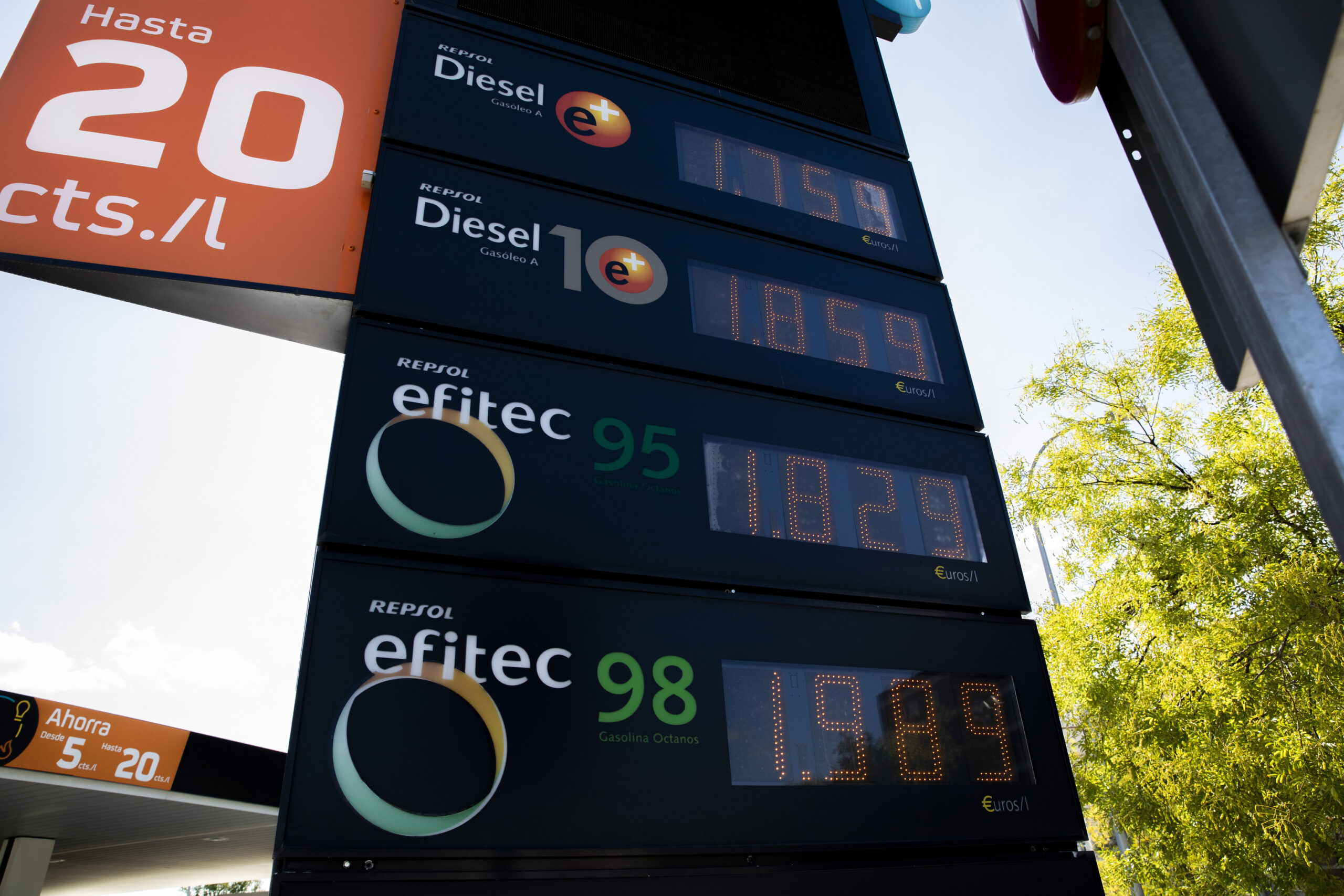
As a global market, any conflict or attack in Hormuz elevates the prices of Brent crude, which serves as a benchmark in Europe. This inflation in oil prices almost immediately translates to higher prices at Spanish gas stations, as seen following the attacks on vessels in the Red Sea in April and May of 2024.
Yes, albeit to a lesser extent. Spain primarily imports gas from Algeria and via ships from the U.S. and Nigeria. Yet, a portion of the liquefied natural gas (LNG) from Qatar, which arrives at ports like Mugardos or Sagunto, passes through Hormuz. If Qatar’s exports are impeded, global supply diminishes, leading to increased LNG prices.
The rising prices of oil and gas elevate transportation, electricity, and industrial production costs, which subsequently reflects on final consumer prices. A sustained crisis in Hormuz could spike inflation rates significantly, directly affecting Spanish consumers’ purchasing power.
Energy-intensive industries—such as cement, steel, chemicals, transport, and distribution—are particularly susceptible to rising energy costs. Companies like Repsol or Cepsa, with substantial international investments, also face challenges due to the volatility of global markets during conflicts in the Gulf Region.
Indeed. Although Spanish ships rarely transit through Hormuz, shipping costs tend to rise whenever risks in critical zones increase, making the import and export of maritime goods more expensive. As an open economy, Spain faces indirect repercussions from such fluctuations.
The EU has strategic interests in ensuring unhindered passage through Hormuz, with certain European nations like France and the Netherlands participating in naval missions in the region. Although Spain does not patrol directly, it lends diplomatic support to uphold commercial stability via the EU and NATO.
Not immediately. Spain maintains strategic reserves (90 days) and boasts a comprehensive network of regasification facilities. However, a prolonged blockage could inflate prices and stress the energy supply chain across Europe, especially if it coincides with crises in other exporting regions.
Primarily, China, India, Japan, and South Korea heavily depend on oil and gas from the Gulf, and they would suffer critical consequences. Additionally, European countries importing energy—such as Germany, Italy, or France—would experience rising energy prices and economic instability exacerbated by the crisis.
The Strait of Hormuz serves as a vital artery for global oil and natural gas supplies. Its geopolitical significance is profound, particularly for nations like Spain that are linked to a global energy marketplace. Understanding the ramifications of conflicts in this region enables both governments and consumers to prepare for potential economic shifts. Given our interconnected world, the events that unfold over thousands of miles can resonate powerfully within our borders.