
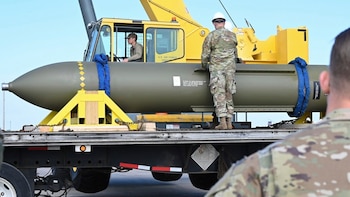
The GBU-57/B Massive Ordnance Penetrator: A Game Changer in Military Strategy
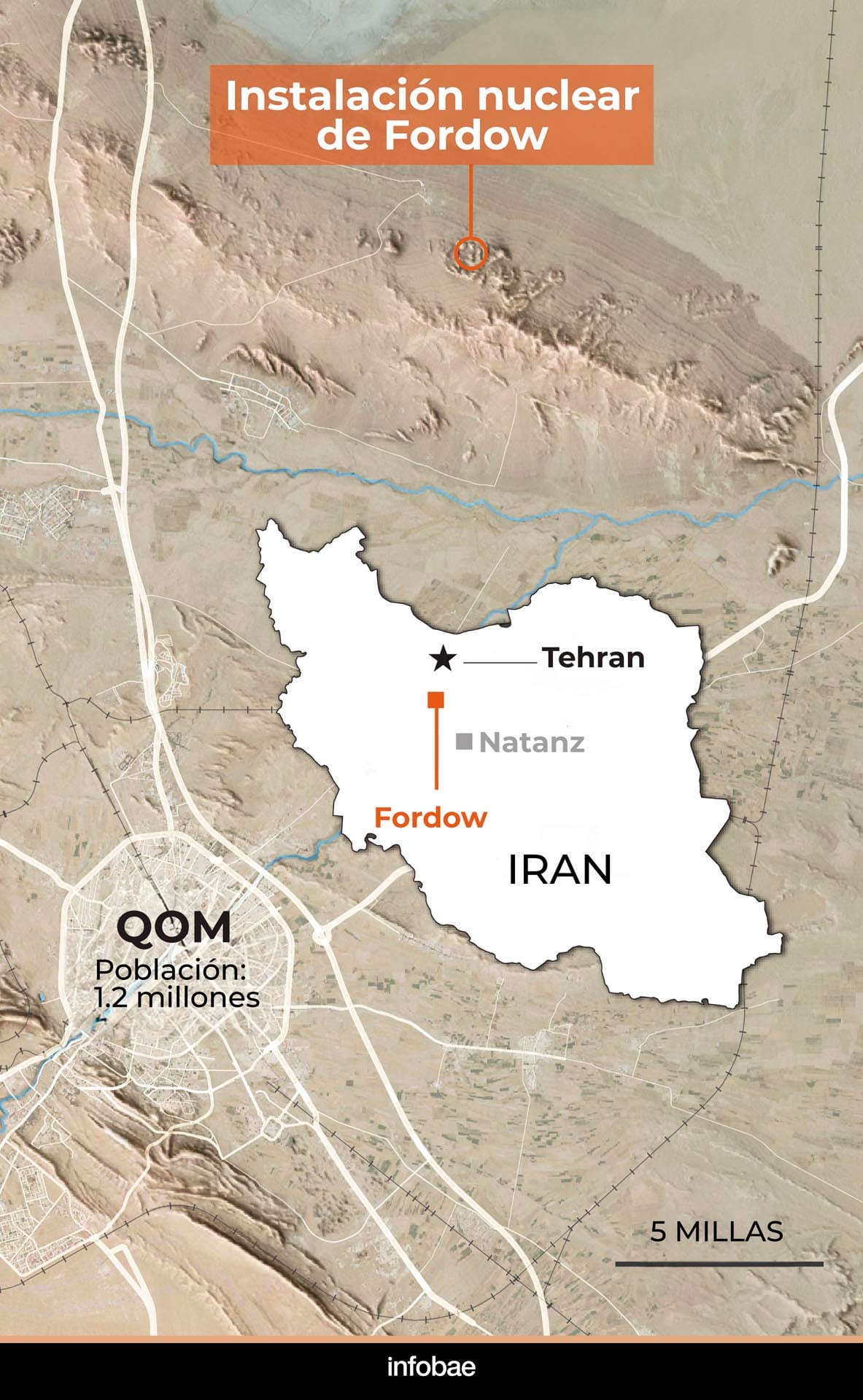
The recent U.S. attack on three key nuclear facilities in Iran has catalyzed discussions on military tools specifically designed for such missions: the GBU-57/B Massive Ordnance Penetrator (GBU-57/B, MOP) . This operation was officially acknowledged by President Donald Trump , who reported strikes against Fordow, Natanz, and Isfahan —all significant sites for Iran’s nuclear program. Notably, Fordow is located deep underground , underscoring the remarkable capabilities of U.S. military technology.
Designed to counter nuclear threats hidden within fortified underground complexes, the GBU-57/B MOP weighs 13,600 kilograms (approximately 30,000 pounds) and can penetrate thick layers of rock, soil, and concrete . This weapon represents the culmination of an innovation process aimed at ensuring the U.S. can effectively respond to the emergence of deeply buried bunkers now prevalent in Iran and North Korea .
Meeting Emerging Threats
The U.S. military recognized early on that the evolution of Iranian nuclear facilities necessitated weapons capable of overcoming traditional munitions. Reports from the International Atomic Energy Agency (IAEA) , highlighting enriched uranium levels above 80% at Fordow, only heightened international concerns and drove enhancements in the MOP design. This bomb was crafted as a last-resort weapon to dismantle the underground facilities that shield uranium enrichment and the production of critical nuclear components.
The recent strike, supported by Trump’s own confirmation, reflects a broader strategic framework that positions the MOP as essential in national defense. Trump stated, “ A complete bomb load has been dropped on the primary facility, Fordow, ” adding that “all nuclear facilities targeted have been destroyed.” This operation was propelled by escalating fears regarding Iran’s nuclear ambitions, with the White House suggesting that they were on the brink of achieving operational atomic capability.
Strategic Military Intention
The GBU-57/B MOP fits into a global context where military analysts anticipate scenarios of proliferation, pushing nations to safeguard their strategic capabilities under increasingly deep layers of protection. Unlike prior attacks conducted by Israel , this U.S. operation aimed at the most resistant element of the Iranian nuclear infrastructure, challenging Tehran’s previously assumed invulnerability.
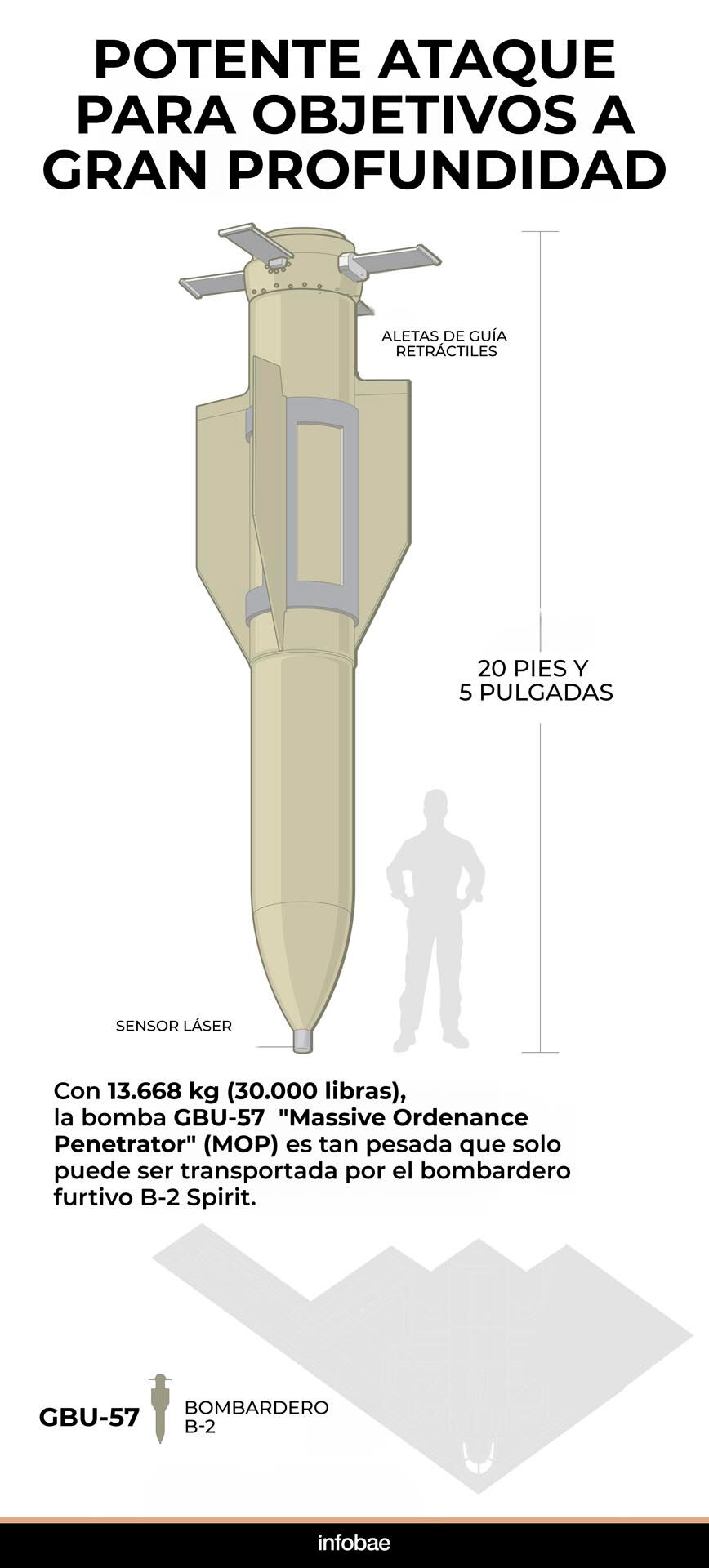
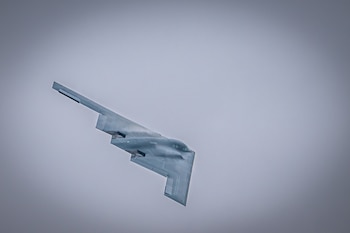
The GBU-57/B MOP’s design allows it to engage targets at unprecedented depths . Its ability to penetrate tens of meters of concrete and limestone distinguishes it from conventional munitions worldwide. The weapon’s integration into the B-2 Spirit , the only stealth bomber capable of deploying it, adds an element of operational exclusivity but also creates tactical limitations, as the B-2 fleet is finite, and any related operation demands meticulous planning and guaranteed air access.
Operational Limitations
The MOP features a long fuselage and a guidance system that enable it to engage hardened targets without resorting to nuclear explosives . This conventional characteristic, combined with its precision, makes it ideal for operations where minimizing collateral damage is crucial. During the Fordow operation, Trump remarked that all aircraft returned “ safe and sound to base ,” emphasizing the effectiveness of the B-2’s stealth capabilities, which allowed for a calculated risk.
The Fordow facility, situated beneath a mountain with multiple protective layers, illustrates the challenges and prospects the GBU-57/B MOP presents. Previous conventional attacks had only temporarily disrupted Iran’s uranium enrichment capabilities. The expectation surrounding the MOP’s use is to achieve years of delays in Iran’s atomic program. The Natanz facility, which has both above-ground and subterranean components, has previously shown weaknesses, but attacks to date have led to only brief setbacks. In contrast, Isfahan plays a crucial role in uranium conversion, and its incapacitation indirectly affects Fordow and Natanz.
Future Implications and Escalation Risks
Nevertheless, employing the MOP poses significant operational limitations, particularly regarding access over hostile territory. Although it remains unconfirmed whether the B-2s involved were recently redeployed to the Pacific , media coverage and reported deployments suggest the U.S. undertook a strategy prioritizing high effectiveness with minimal exposure. The risk of interception and the need for in-flight refueling complicate deep penetration missions, especially if adversaries possess sophisticated air defenses and active early warning systems.
The U.S. operation on Iran’s three nuclear epicenters marks not only a military milestone but also a turning point in the regional and global power balance. This attack, aside from striking a significant blow to Iran’s atomic program, immediately provoked condemnation and warnings from Tehran, which labeled the move “a hell for the entire region” and hinted at potential retaliatory actions with international repercussions.
The White House justified the intervention as a direct response to a persistent threat , highlighting Iran’s historical animosity toward the U.S. and Israel. Trump articulated: “ For 40 years, Iran has been saying ‘death to America, death to Israel.’ They have been killing our people and maiming them with bombs.” This rhetoric envelops the operation within a broader deterrent logic , positioning the MOP as both a symbolic and practical tool against Iranian nuclear aspirations.
The U.S. attack underscores the existing vulnerabilities despite Iranian investments in subterranean defenses. Iranian officials’ reactions, including statements from the deputy foreign minister and the activation of air defenses around Qom , indicate that the operation forced Tehran to reassess its deterrent strategy and the security of its critical infrastructure.
This dynamic fosters an environment ripe for escalation throughout the region. The U.S. strike, executed after days of diplomatic pressure from Israel and amid reciprocal threats, heightens the chances of renewed direct confrontations with regional powers. Washington’s warnings of even greater retaliation against an Iranian counterattack, combined with uncertainties regarding the deployment of B-2 bombers and the specifics of munitions used, perpetuate a prevailing atmosphere of tension surrounding Middle Eastern security.
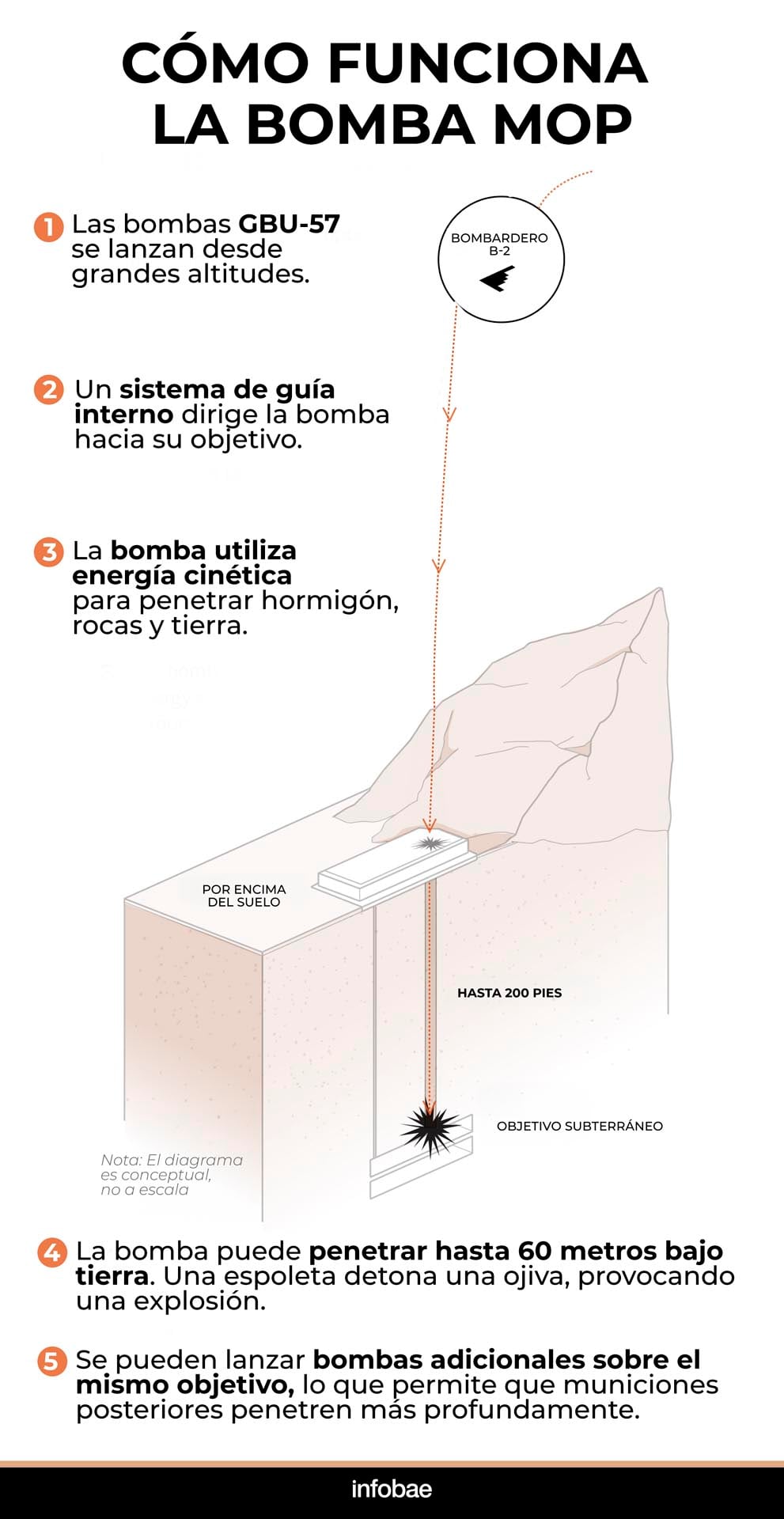
The GBU-57/B MOP ensures that the U.S. maintains a dominant position regarding the ability to strike hardened targets due to its unique characteristics and the exclusivity of equipment, such as the B-2 Spirit, necessary for its use. When developed, the MOP was benchmarked against other deep-penetrating bombs like the BLU-109 and GBU-28 , tools that had shown limited efficacy against targets like Fordow.
To date, no other nation has deployed equivalent technology capable of destroying bunkers at such depths and with the precision required in modern operational contexts. This arms monopoly raises concerns among both allies and adversaries, who recognize that the U.S. possesses unique tools to impose its strategic will on previously deemed inviolable facilities.
In summary, the recent usage of the GBU-57/B MOP in targeting Fordow, Natanz, and Isfahan symbolizes the culmination of a weapons program established in acknowledgment of nuclear proliferation’s increasing entrenchment in unprecedented subterranean depths. The U.S. response , both technologically ambitious and strategy-defining, reshapes the power balance, compelling state and non-state actors to rethink the viability of sheltering strategic capabilities from the aerial offensive capabilities of a superpower.
The outcome of this attack and its immediate global reactions outline an evolving international landscape where control over advanced ordnance shifts the balance of strategic deterrence, with implications that stretch well beyond the immediate consequences of the strike.