
Heat Waves and Dorsal Dominance: A Look into Spain’s Summer Weather
As summer settles in, the weather narrative seems to be becoming a familiar one: an anticyclonic dorsal takes hold of the atmosphere, heralding the return of extreme heat . This summer, temperatures are once again expected to soar, significantly impacting daily life across Spain.
The Return to 40º
The next few days are forecasted to ring in another bout of intense heat . The State Meteorology Agency ( Aemet ) has issued warnings indicating that temperatures could exceed 40º Celsius in vast regions of the southern parts of Spain, with certain areas experiencing temperatures climbing as high as 42º . This alarming trend raises concerns among residents and meteorologists alike, particularly as these conditions become increasingly common during the summer months.
An Extreme Dorsal Again
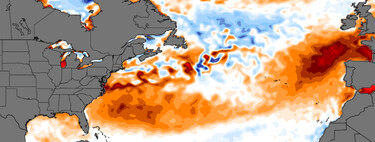
So, what’s driving this weather phenomenon? The culprit is once again a dorsal , a considerable one at that: it measures at 600 DAMMERS (DAM) Geopotential , with its core situated in nearby North Africa . This means that one must ascend about six kilometers into the atmosphere to reach the point where the atmospheric pressure is 500 hectopascals (HPA) . In normal circumstances, this altitude would be about 5.5 km. The extraordinary geopotential levels reported indicate potential record-breaking temperatures, particularly in the southwestern regions of the peninsula and parts of central Spain, as highlighted by meteorologist JJ German on social media.
Stability and Sun
This dorsal leads to an anticyclonic context that promotes stability , clear skies , and increased solar radiation . Considering its capacity to draw warm air from North Africa , we are witnessing a summer that has already set numerous temperature records. The stability enforced by this weather system has caused significant fluctuations in atmospheric variables, leading to unusual heat patterns across the nation.
Yellow and Orange Warnings
While the forecasted temperatures may not be as extreme as those encountered in previous heat waves, it is worth noting that July typically averages a month warmer than June. This situation means that the geopotential anomaly we’re observing might not result in drastic changes. Nevertheless, the mercury is projected to rise sufficiently for Aemet to activate various warning alerts regarding extreme temperatures across the country.
Warnings will primarily focus on the central and southwestern parts of the peninsula, including Valleles del Tajo , Guadiana , and Guadalquivir . By Thursday, the extreme heat is likely to extend to eastern regions, affecting parts of the Ebro Valley , La Mancha , and several Mediterranean provinces, all under orange alert.
High Maximums and Tropical Nights
Aemet’s forecasts suggest that temperatures will likely exceed 38-40 degrees Celsius in many southern and Atlantic regions. Areas within the Guadalquivir Valley could see temperatures surpassing 42º , while a slight cooling trend is anticipated for Thursday, still keeping temperatures above 35º in most southern and some northern plateau regions. Unfortunately, the heat doesn’t stop at daytime; minimum temperatures are also expected to remain quite high, with many rounds in the Mediterranean basin remaining above 20º . Notably, the Guadalquivir Valley could even experience “equatorial nights,” where nighttime temperatures remain stubbornly above 25º .
Change of Trend
Currently, the patterns of dorsals have alternated with stormy episodes associated with various low-pressure systems. However, this week appears set to replicate the temperature spikes, followed by thermally-driven relief expected on Friday, albeit paired with storms that may concern weather experts due to their potential severity.
As the summer progresses, both residents and authorities in Spain must remain vigilant. The weather patterns signify not just a seasonal change but also a potential shift in climatic norms that calls for a reevaluation of preparedness strategies, ensuring safety amidst the rising heat.
The weather forecast highlights how different aspects of our environment can be affected by geopolitical factors and climate change . Residents and travelers alike should stay informed about these developments as they enjoy their summer in Spain.