
The Enigma of Émile Louis: Unraveling the Mysteries of the "Cemetery"
The story of Émile Louis, marked by tragedy, crime, and search for justice, continues to haunt both the families of the victims and law enforcement agencies in France. As a notorious serial killer, he left a trail of fear and unanswered questions in the Yonne region, turning the area near the village of Rouvray into a focal point of investigation.
Who Was Émile Louis?
Émile Louis, known as the "butcher of Yonne," was an ordinary bus driver turned infamous criminal. Convicted of the murders of seven young girls with mental disabilities in the 1970s and 1980s, he was sentenced to a lengthy prison term but died in custody in 2013. His crimes shocked the French public, and although two bodies were recovered in the early 2000s, many families remain in anguish over the disappearance of their loved ones.
The Discovery of the "Cemetery"
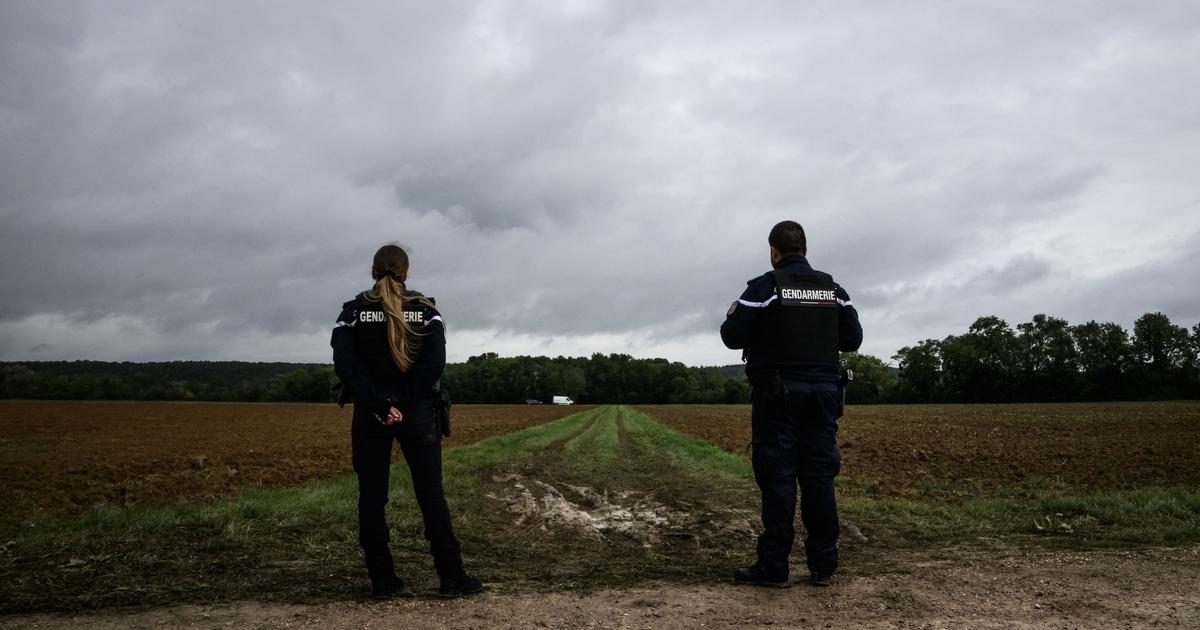
The term "cemetery" associated with Émile Louis refers to a location where he allegedly buried his victims. Situated on the outskirts of Rouvray, this vast area is essential for investigators seeking to understand the full extent of Louis’s crimes. Over the years, significant excavations have taken place at this site, often yielding remains and personal belongings from the 1970s. Each discovery offers a glimmer of hope for families still searching for closure.
Recent Developments and Investigations
On May 26, new excavations are set to begin at the cemetery site. This renewed interest follows years of investigations and a growing desire for families of the missing to receive answers. Among those considered in the scope of these investigations is Marie-Jeanne Ambroisine Coussin, who disappeared under suspicious circumstances in 1975 at the age of 40.
The Role of Modern Technology
Modern investigative techniques, including drones and subaquatic research, will be deployed during these forthcoming excavations. Alongside approximately 448 military personnel, who will assist in the digging and surveying of larger areas, forensic experts will examine any findings to ascertain their relevance to the missing victims. The scale of this operation reflects the commitment to solving these long-standing mysteries.
The Victims and Their Stories
The haunting reality of Louis’s crimes is etched in the lives of his victims: Françoise and Bernadette Lemoine, Chantal Gras, Jacqueline Weis, Madeleine Dejust, Martine Renault, and Christine Marlot. Each young woman had a promising life ahead of her, tragically cut short by the malevolent actions of one man. Many victims were subjected to horrific experiences before their deaths, including sexual assault and strangulation.
The pain endured by the families of these women remains profound. As the search for answers continues, it also serves as a reminder of the importance of justice in society.
The Search for Justice
Louis’s legal battles were as complicated as his crimes. Attempting to evade justice, he initially claimed that the statute of limitations would shield him from facing punishment. However, legal complications ultimately ensured that he would remain accountable for his heinous acts until his death.
At his trial, he described the locations where he buried his victims, revealing a chilling insight into the mind of a serial killer. Despite his confessions, he maintained his innocence, creating a painful conflict for the families who were left without resolution.
A Collective Hope
As the date for the new excavations approaches, there remains a collective hope among families, law enforcement, and the general public. This hope is rooted in the potential for new findings that may offer closure or new insights into the unresolved cases.
Authorities insist that these excavations will cover a broader area than previous attempts. As forensic experts study any newly discovered evidence, the possibility of identifying more victims hangs in the balance.
Conclusion
The legacy of Émile Louis is one that represents a dark chapter in France’s criminal history. The impending excavations not only symbolize a search for the truth but also reflect the resilience of families who have endured the pain of loss for decades. They continue to seek answers and justice for their loved ones who were cruelly taken away.
In summary, there remains a significant expectation surrounding the upcoming research at Émile Louis’s "cemetery," offering a hope of resolution to unsolved crimes that have cast shadows over many lives.
FOCUS – Fouillé à plusieurs reprises, le «cimetière» d’Émile Louis situé près du village de Rouvray, abrite encore aujourd’hui de nombreux mystères. Après la découverte de deux corps au début des années 2000, de nouvelles recherches sont attendues ce lundi 26 mai.