
Understanding the Recent Agricultural Law Proposal: An Overview
The proposed agricultural law, currently being discussed in the Assemblée nationale, has ignited significant debate within various sectors. Spearheaded by Senator Laurent Duplomb, the proposal aims to "lift constraints" for farmers. However, it has rekindled tensions, particularly emphasized by the FNSEA, France’s primary agricultural union, which deems the bill’s passage as "vital" for providing farmers with necessary means of production. Conversely, the Confédération Paysanne, representing a more progressive approach, labels certain measures as "mortiferous" for living ecosystems, failing to tackle the crucial issue of farming income.
Key Controversies Surrounding the Proposal
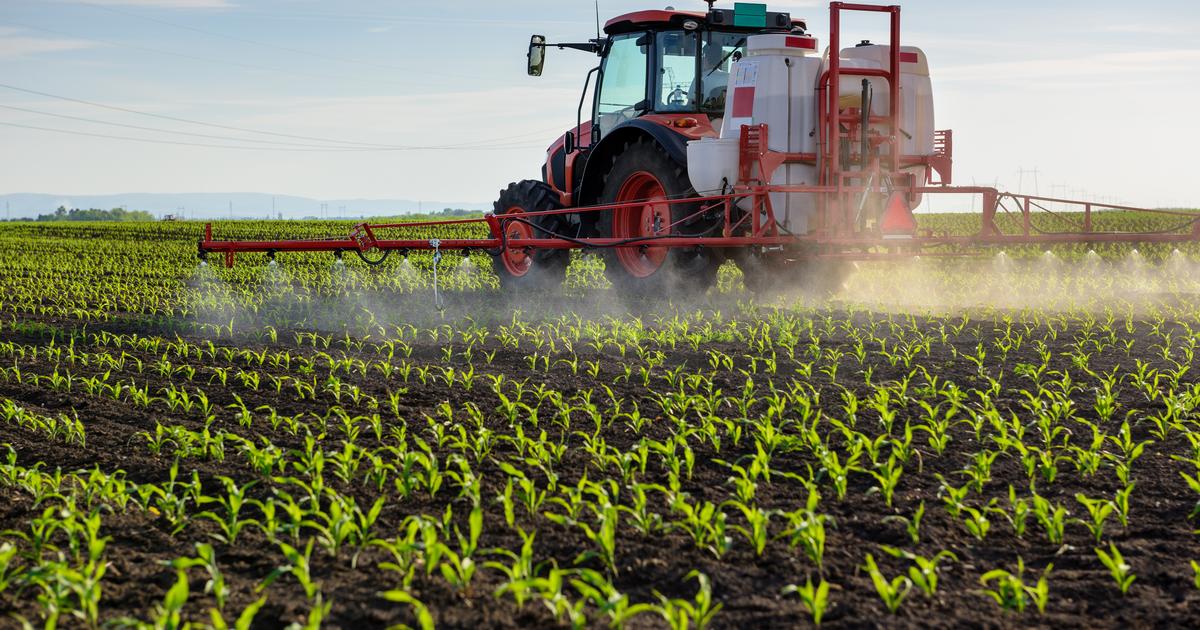
One of the most contentious elements within this proposal pertains to the re-introduction of the pesticide acetamiprid, classified among the neonicotinoids. These pesticides have been banned in France since 2018, yet remain permissible in other parts of Europe until 2033. Producers of sugar beets and hazelnuts argue that alternative solutions for protecting their crops are nonexistent. The FNSEA, along with the Coordination Rurale (the second-largest agricultural union), perceives this move as crucial to maintaining competitive advantage against European producers, crying foul over "unfair competition" and warnings about a potential influx of imports produced with banned pesticides.
Environmental Concerns
Environmental advocates, including beekeepers who have witnessed a collapse in honey production since the introduction of these chemicals in the 1990s, vehemently oppose the proposal to reinstate neonicotinoids. There is a notable division even within the government; while Agnès Pannier-Runacher, Minister for Ecological Transition, opposes this move, ongoing research seeks alternatives to better protect crops without endangering bee populations.
The Role of ANSES
The Senate’s version of the bill grants the government the authority to impose "priorities" on the ANSES (the French Agency for Food, Environmental, and Occupational Health & Safety), which has evaluated the safety of pesticides since 2015. Annie Genevard, France’s Minister of Agriculture, advocated for establishing a "committee for crop protection." This committee would create a "list of priority uses," which ANSES would be required to honor.
The head of ANSES, Benoît Vallet, indicated that if the bill passes without amendments, it could lead to his resignation. Critics, including left-wing politicians and scientists, have slammed the move as a severe infringement on ANSES’ independence, prompting various deputies to amend the proposal. However, any motion to reject the bill could revert it back to the Senate’s original version.
Water Management and Storage
Another focus of the proposal is the facilitation of water storage for crop irrigation, particularly relevant in the context of dwindling water resources linked to climate change. While farmers agree that agriculture is unfeasible without access to water, their opinions split on the specifics regarding the size and usage of storage facilities.
Several environmental organizations have raised alarms over establishing mega-reservoirs that monopolize water resources for intensive agriculture. There’s a substantial risk that this prioritization could lead to decreased protection for wetlands, crucial for mitigating floods and droughts. Subsequently, a significant article regarding water storage was removed during discussions in the committee. Nonetheless, the government plans to reintroduce it, promising to strike a "balance between environmental concerns and agricultural needs."
Intensive Livestock Farming
The Senate’s proposal also aims to ease constraints surrounding the expansion of livestock facilities under the banner of food sovereignty. Larger farms are currently subject to stricter regulations, necessitating formal declarations or permits based upon specific herd sizes. Aligning these thresholds with European directives on industrial emissions, the FNSEA and livestock sectors are lobbying for more lenient regulations.
For example, the current requirement states that a poultry farm only needs to seek permission after surpassing 40,000 chickens. The proposal aims to raise that threshold to 85,000, while regulations for pig farming would shift from 2,000 to 3,000 pigs without requiring permits.
Criticism and Future Considerations
Environmental NGOs and leftist factions criticize the proposal as overly favorable to intensive livestock farming, arguing it fails to address broader concerns, especially given that only a small minority of farmers would benefit. The Confédération Paysanne contests that this approach will not rectify the pressing issue of generational renewal among farmers.
Consequently, the government posits the need for legislative maneuvering via ordinance to establish a specific regime for livestock farms—an effort some experts find legally challenging.
In conclusion, the agricultural law proposal remains a lightning rod for various stakeholders in France, with divergent views on balancing the needs of farmers, environmental protection, and food sovereignty.
Étudié à l’Assemblée nationale ce lundi, ce texte comporte plusieurs points qui suscitent de vifs débats. La FNSEA, premier syndicat agricole, dénonce notamment «une concurrence déloyale» avec les producteurs européens.