
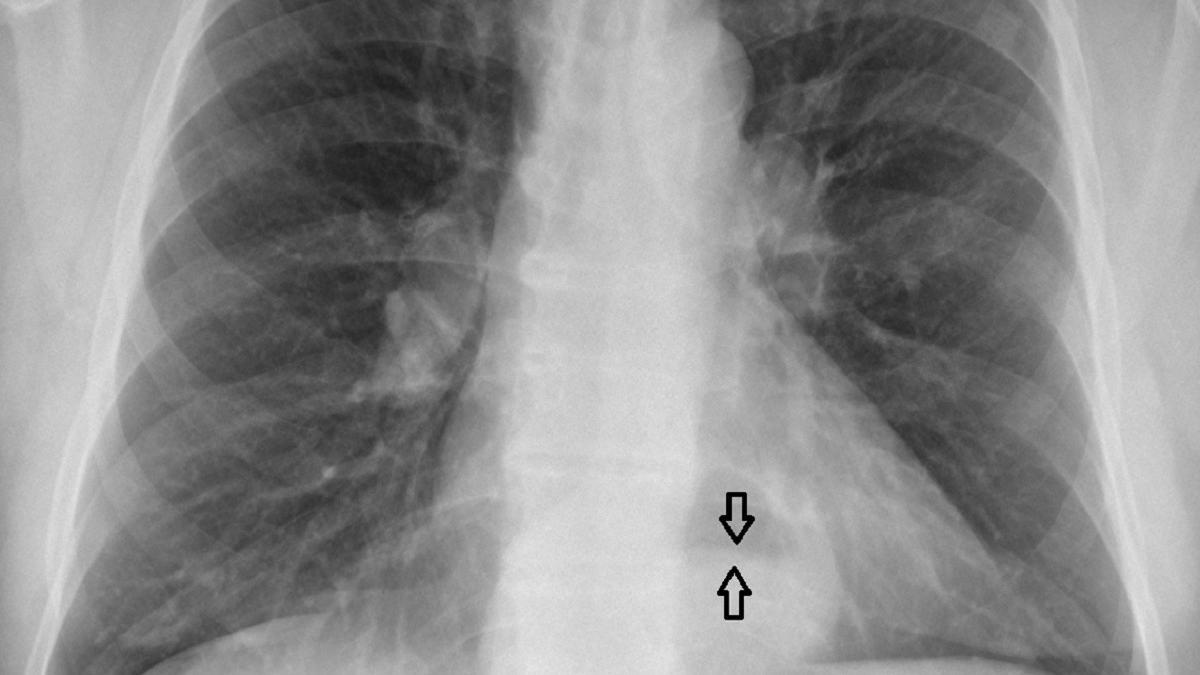
Understanding Hiatal Hernia
A hiatal hernia is a condition where a portion of the stomach protrudes through the diaphragm into the chest cavity. The diaphragm is a crucial muscle that separates the abdomen from the chest and helps in the function of breathing. The hiatus, an opening in the diaphragm, allows the esophagus to pass through to the stomach. This structure serves an important function by preventing the reflux of stomach contents back into the esophagus. However, when a hernia develops, this mechanism can become compromised.
Symptoms of Hiatal Hernia
When the hiatal hernia becomes present, various symptoms can arise. Some individuals may experience severe symptoms, while others might remain asymptomatic. One of the most common issues related to hiatal hernias is gastroesophageal reflux disease (GERD), commonly known as acid reflux. Symptoms of a hiatal hernia include:
- Irritative cough
- Bad breath
- Chest pain
- Difficulty swallowing
- Throat irritation and hoarseness
- Bitter taste in the mouth
- Oral sores
Anatomically, the hernia can be classified into two types:
- Sliding hiatal hernia: Occurs when the stomach moves up into the chest cavity.
- Paraesophageal hiatal hernia: In this case, the stomach slides beside the esophagus.
Both conditions require proper diagnosis and management to prevent complications that could arise from untreated symptoms.
Diagnosis of Hiatal Hernia
To determine whether a hiatal hernia is contributing to gastroesophageal reflux, a medical professional may request a radiography or endoscopy. These diagnostic tests help visualize the esophagus and stomach, allowing specialists to observe any presence and the extent of the hernia.
Treatment Options for Hiatal Hernia
Interestingly, there is no direct treatment for hiatal hernia itself. Instead, medical focus often shifts towards managing the reflux and related symptoms. The specialists at the Hospital Victoria Eugenia Cruz Roja emphasize that they primarily address symptoms of gastroesophageal reflux disease, rather than the hernia directly.
In many mild cases, lifestyle and dietary changes can drastically reduce or eliminate symptoms. A well-planned diet is crucial in managing hiatal hernia symptoms effectively. Eating smaller, more frequent meals can significantly lower the workload on the stomach and reduce the likelihood of reflux.
In cases where lifestyle changes do not suffice, and symptoms persist, additional pharmaceutical interventions may be necessary. These medications are aimed at reducing acid production and improving esophageal motility.
Surgical Intervention as a Last Resort
In certain situations, particularly if complications arise such as aspiration pneumonia (where stomach contents enter the lungs), surgical intervention may become necessary. Patients may require a procedure to repair a sliding hiatal hernia or to strengthen the esophagogastric junction. Such surgeries are typically performed using laparoscopic techniques, which are minimally invasive.
Preventing Gastroesophageal Reflux
While experiencing a hiatal hernia can be uncomfortable, it is not classified as a grave condition. However, preventing associated gastroesophageal reflux is essential. Some actionable recommendations include:
- Adopting a healthy diet
- Consuming five small meals a day to reduce strain on the stomach
- Avoiding high-fat foods, fried items, and spicy dishes
- Steering clear of rich sauces and heavy gravies, as well as reducing caffeine intake
- Quitting smoking and limiting alcohol consumption
Should reflux symptoms become a regular occurrence, seeking specialized medical advice is vital. A healthcare provider can evaluate the situation and recommend appropriate steps or treatments tailored to individual needs.
By implementing these strategies and working closely with healthcare professionals, patients can manage the symptoms and improve their quality of life while living with a hiatal hernia.